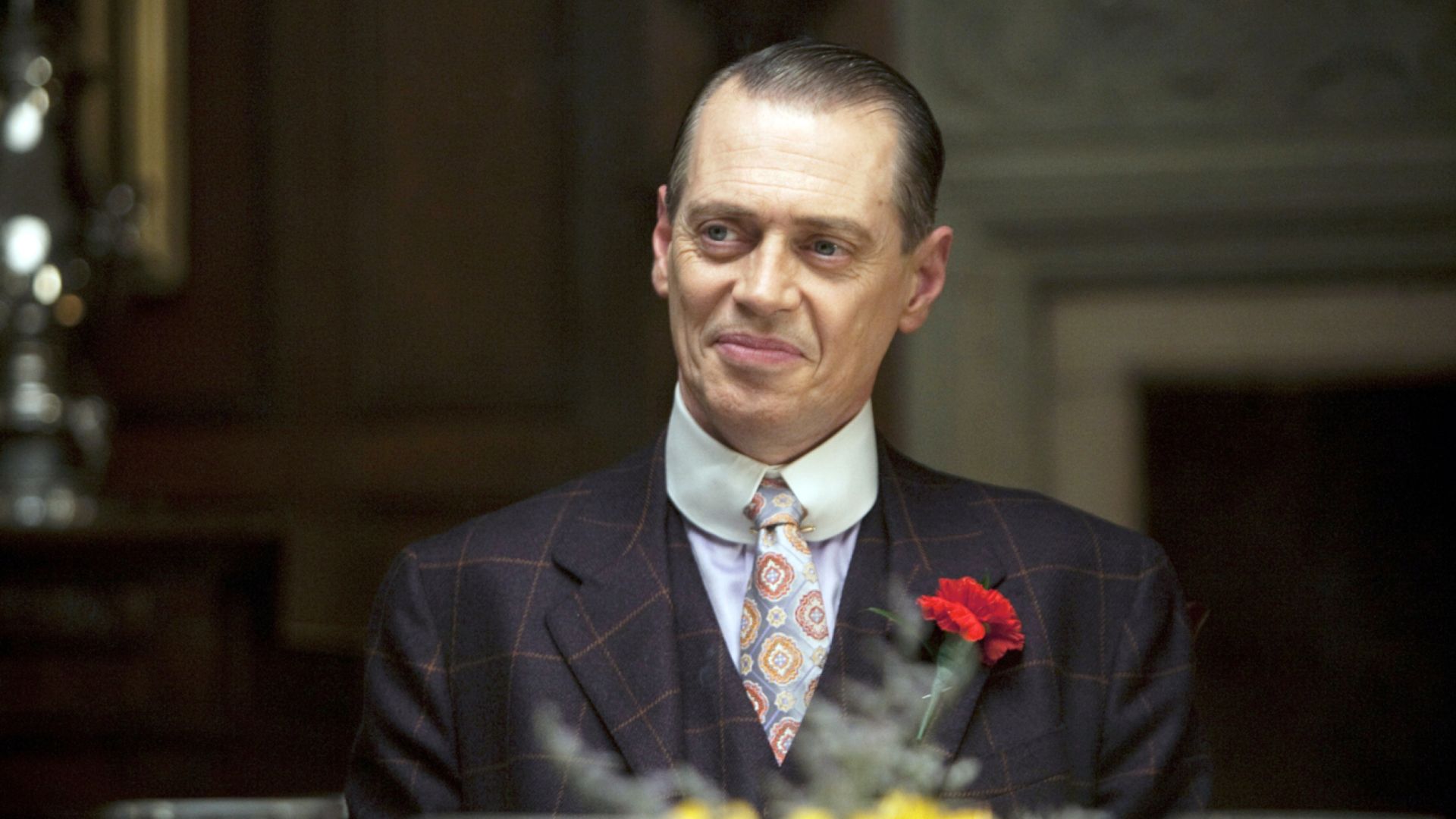
Steve Buscemi remains one of cinema's most versatile character actors, delivering performances that transform even supporting roles into unforgettable moments. His ability to embody deeply flawed, neurotic, and complex characters has earned him a place among the industry's most respected talents.
Buscemi's career spans indie darlings to major studio productions, showcasing range few actors achieve. His collaborations with the Coen Brothers, Quentin Tarantino, and Paul Thomas Anderson produced some of his most celebrated work. In the Coen Brothers' films, he brought manic energy and vulnerability to roles that could have been one-dimensional. His work with Tarantino demonstrated his capacity to hold scenes with explosive intensity.
His directorial efforts, including "Trees Lounge" and "Lonesome Jim," reveal an artist equally skilled behind the camera. These films showcase his understanding of character depth and indie filmmaking sensibility. Buscemi's 9/11 documentary activism, alongside his FDNY firefighter background, anchors his work with authentic humanity.
What distinguishes Buscemi's masterpieces is their specificity. He avoids broad strokes, instead crafting performances rooted in particular mannerisms, speech patterns, and psychological states. His characters feel lived-in, as if we're watching real people rather than actors performing.
His roles in "Fargo," "Pulp Fiction," "Miller's Crossing," and "The Big Lebowski" define not just his career but entire films. Critics and audiences recognize these performances as benchmarks for character acting excellence. Buscemi's willingness to be uncomfortable on screen, to play men society dismisses or fears, gives his work moral weight beyond entertainment.
The Screen Rant piece underscores Buscemi's status as a living legend whose influence extends across generations of filmmakers