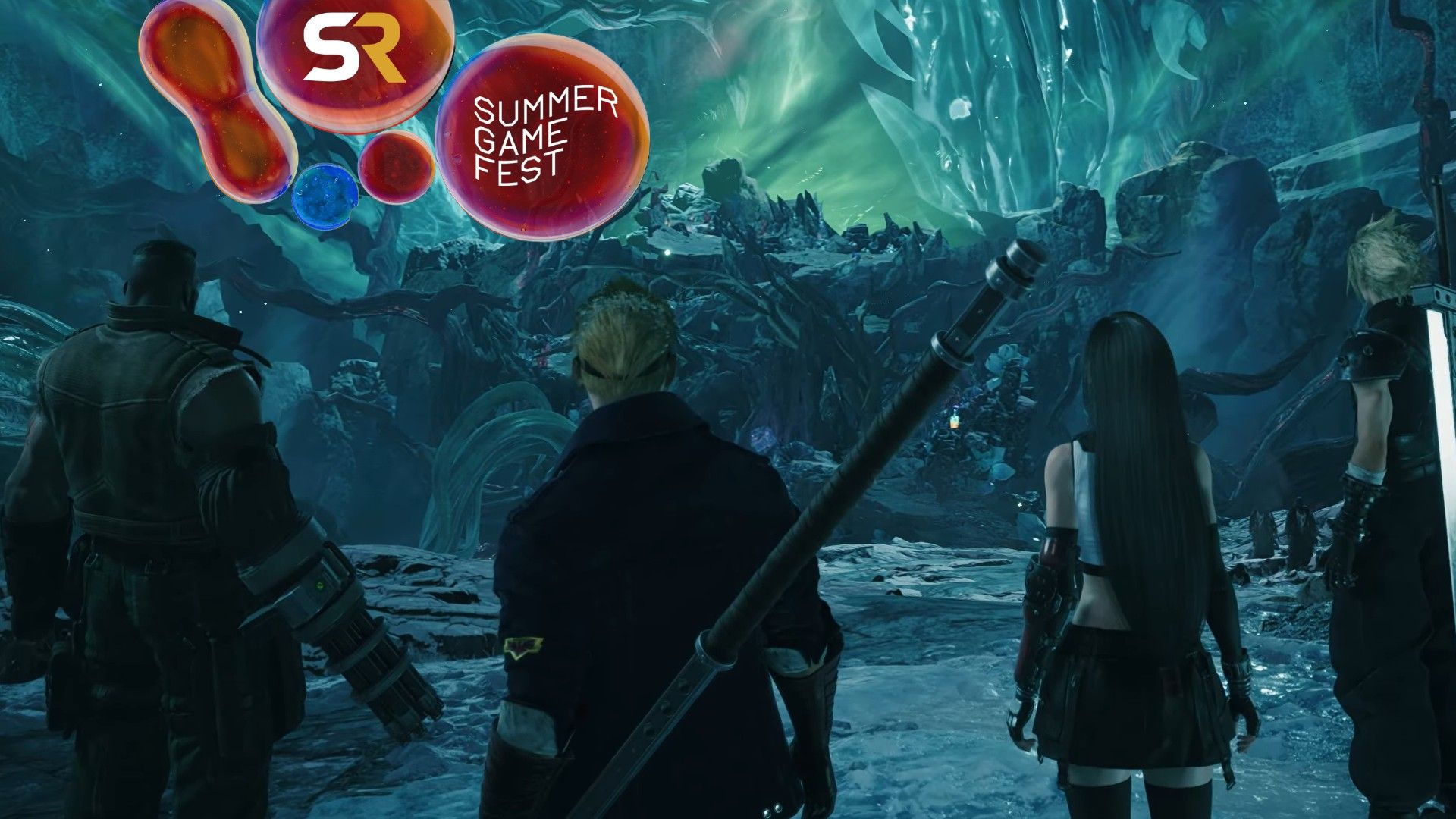
Square Enix's Final Fantasy 7 Remake trilogy reaches its conclusion with Final Fantasy 7 Revelation, and the co-director recently opened up about the production journey that brought this massive project to the finish line. The director discussed the creative obstacles the team navigated while adapting one of gaming's most beloved and scrutinized properties, alongside the victories that shaped the final installment.
The FF7 Remake has been one of the most ambitious undertakings in modern game development. The original 1997 PlayStation classic spawned two remake entries, Final Fantasy 7 Remake in 2020 and Final Fantasy 7 Rebirth in 2024, each expanding and reimagining the source material. Revelation serves as the trilogy's capstone, tasked with delivering narrative closure while honoring fan expectations built across decades and three entries.
Development challenges for a project of this scale centered on balancing faithfulness to the original with fresh storytelling choices. The director's comments suggest the team worked to maintain creative ambition while managing the technical and narrative complexities of concluding an interlocking trilogy. Square Enix faced the delicate task of satisfying hardcore fans who've invested in every iteration while remaining accessible to newer audiences discovering the story through the remakes.
The interview also teased postgame content, hinting that Final Fantasy 7 Revelation has additional material beyond the main campaign. This strategy aligns with modern gaming expectations around longevity and replayability, particularly for a franchise entry of this magnitude.
The FF7 Remake trilogy represents one of the most expensive and scrutinized game projects ever attempted. Its success hinges not just on commercial performance but on whether it delivers the emotional and narrative payoff fans demand. With Revelation now in players' hands, the co-director's candid discussion about development provides valuable context on how Square Enix tackled