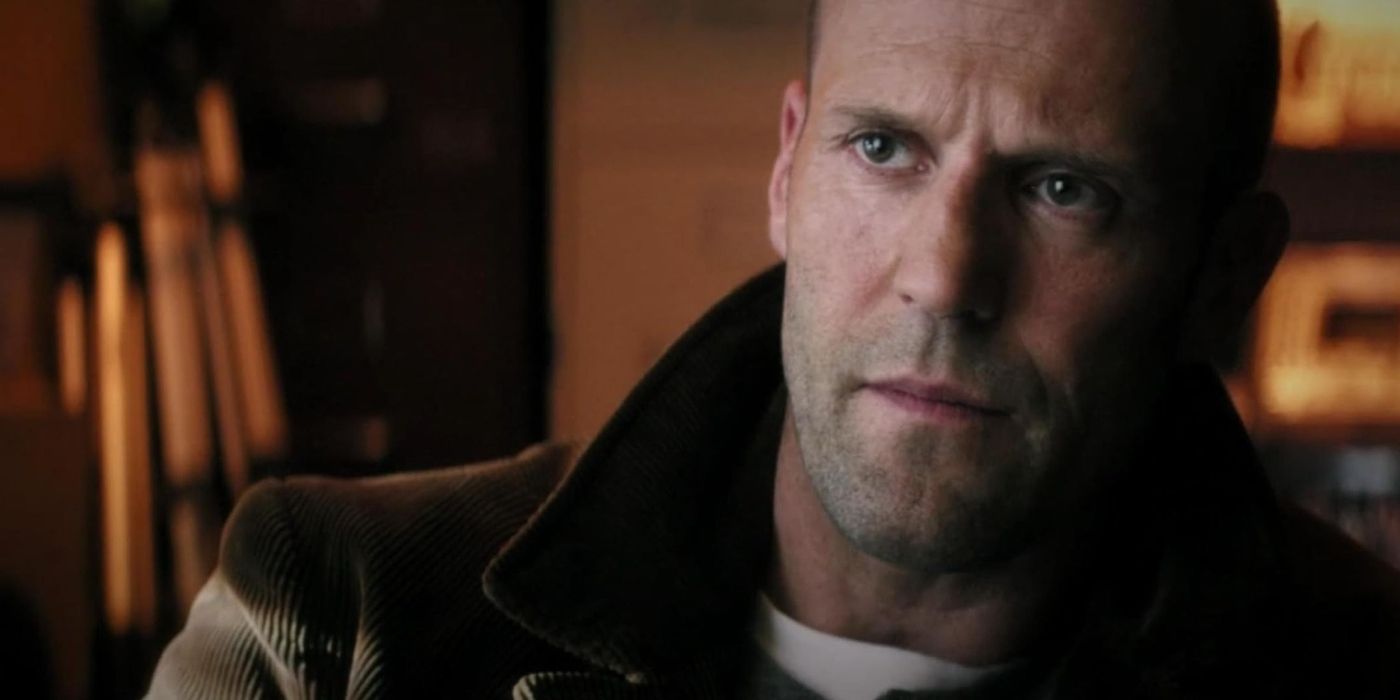
Jason Statham's "Wild Card" outperforms Burt Reynolds' "Heat" as an adaptation of William Goldman's novel, delivering superior star power and action sequences that elevate the source material in ways the 1986 original couldn't match.
Both films draw from Goldman's crime fiction, but Statham's 2015 take assembles an ensemble cast that reads like a Hollywood A-list roster. The film benefits from high-octane set pieces designed specifically for Statham's particular brand of kinetic physicality. Director Simon West crafted action beats that play to the star's strengths in hand-to-hand combat and vehicular sequences, creating a more visceral viewing experience than Reynolds' earlier adaptation.
Reynolds' "Heat" arrived in the mid-1980s action landscape, constrained by the technological and budgetary limitations of that era. While it established the Goldman property on screen, the film never quite captured the financial or critical success that might have cemented it as a definitive take. Statham's version benefited from decades of advancement in action filmmaking, stunt choreography, and digital effects.
"Wild Card" treats the source material with greater ambition. The supporting cast, including Ryan Reynolds, Michael Angarano, and Dominik Monaghan, brings depth to secondary roles that previous adaptations overlooked. The narrative structure serves the action better, allowing Goldman's clever dialogue and moral complexity to emerge through well-paced sequences rather than exposition-heavy scenes.
The film's Las Vegas setting becomes a character itself, with sequences that showcase both glamour and grit. Statham's protagonist navigates the city's underworld with the cool detachment his fans expect, while the script maintains Goldman's sharp wit about crime, betrayal, and survival in morally gray spaces.
For viewers who've only experienced Reynolds' version, Stat