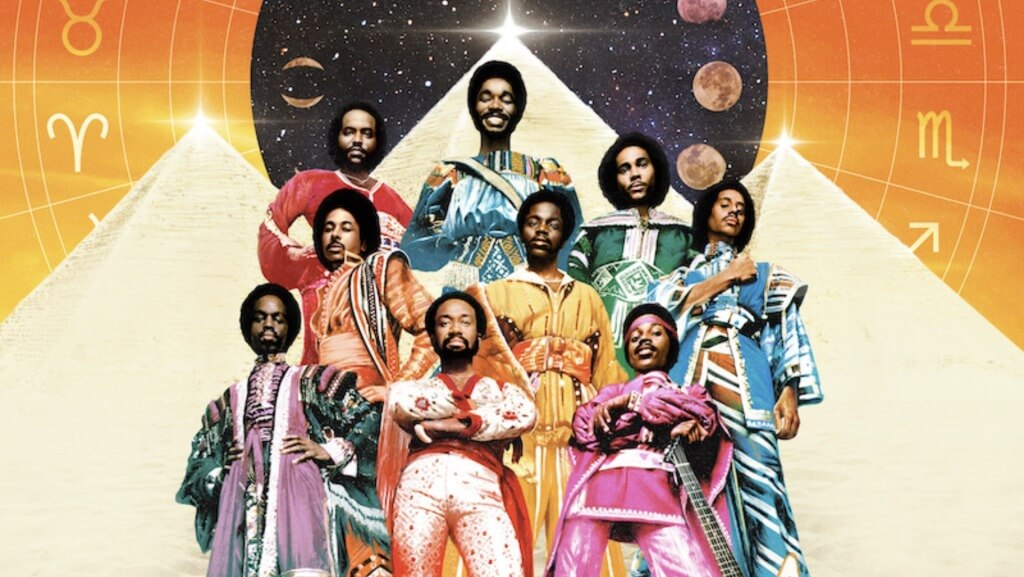
Questlove brings his curatorial instincts to bear on one of music's most influential acts. The legendary drummer and Roots frontman directed a documentary on Earth, Wind & Fire that transcends typical music doc formula by anchoring the group's artistic trajectory within broader cultural and historical movements.
The film sits apart from standard retrospectives because Questlove refuses to treat Earth, Wind & Fire as a standalone phenomenon. Instead, he contextualizes their 1970s ascent within the Black Arts Movement, the rise of Afrocentrism, and the sonic innovations that defined the era. His background as a collector and historian who spent decades mining music archives informs every frame. Rather than relying solely on talking-head interviews and archival footage, the documentary functions as a master class in how to listen to records with intention.
Earth, Wind & Fire's dominance across soul, funk, and R&B created a blueprint that shaped everything after them. Questlove knows this lineage intimately. His work with The Roots often echoes the group's commitment to live musicianship and genre-blending arrangements. By directing this project, he essentially passes along what he learned as a student of their music to new audiences unfamiliar with their catalog or cultural impact.
The documentary argues that understanding Earth, Wind & Fire requires understanding the moment they inhabited. Questlove's approach mirrors his curatorial work at the Smithsonian, where he served as creative director of the National Museum of African American History and Culture's music collections. He treats documentary filmmaking like crate digging. Every detail matters. Every creative choice builds toward something larger about Black music's relationship to spirituality, ambition, and self-determination.
For longtime fans, the film offers fresh perspectives on albums they thought they knew completely. For newcomers, it serves as an entry point that respects intelligence and assumes viewers want