John Oliver and HBO's Last Week Tonight have won another defamation lawsuit, continuing the show's unlikely streak of legal victories that have become almost as entertaining as the program itself.
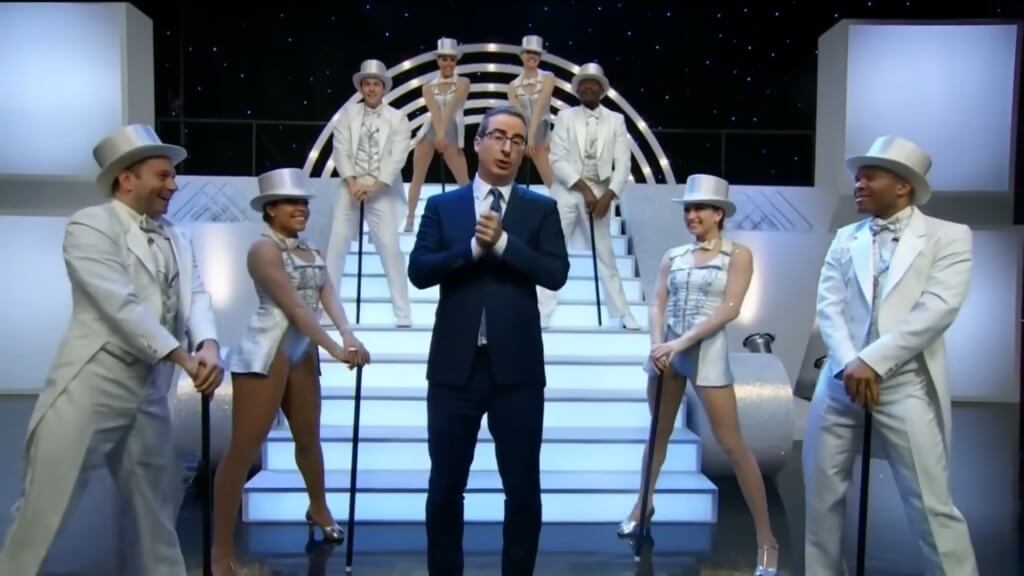
The suit represents the latest in a series of cases where Oliver's aggressive investigative comedy has withstood legal challenges from targets of his satirical reporting. His previous defamation win even spawned an Emmy-winning musical number, setting a precedent for turning courtroom victories into comedic gold.
Last Week Tonight built its reputation on deep-dive segments that combine comedy with actual journalism. Oliver and his team conduct genuine research and reporting before targeting corporations, politicians, and public figures with his particular brand of righteous mockery. That approach has largely protected the show legally, as courts repeatedly rule that Oliver's commentary qualifies as protected speech under satire and opinion protections.
The show's legal department clearly understands the terrain well. Rather than backing down from controversial segments, Oliver doubles down on the factual reporting underneath the jokes. This strategy has proven effective across multiple jurisdictions and plaintiff types, from business executives to politicians seeking damages.
HBO clearly relishes these moments. The network backs Oliver's aggressive comedic investigations and stands behind him in court. Winning becomes part of the show's brand. Audiences expect Oliver to go after powerful interests, get sued, win, and make the whole thing hilarious on air.
The victory also reflects broader cultural shifts about what constitutes protected satire and commentary. Courts increasingly recognize that comedians and satirists operate in a different legal space than straight news organizations. Oliver's weaponized humor receives the same First Amendment protections as traditional journalism, but with more latitude for exaggeration and ridicule.
With a track record this strong, Oliver's targets face an uphill battle. They must prove not just that his statements harmed them, but that he acted with actual malice or reckless disregard for