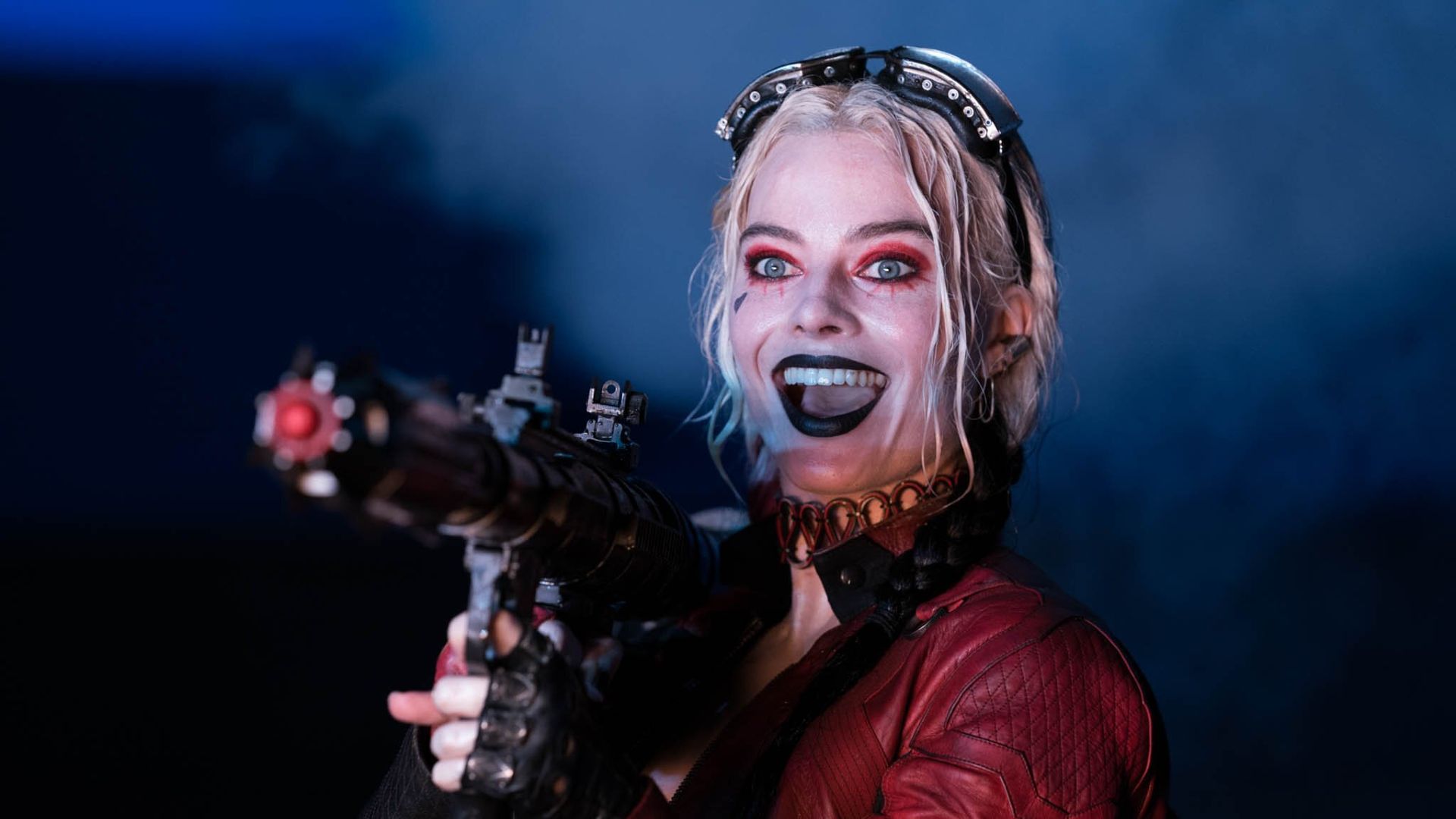
HBO Max's "Harley Quinn" has built its reputation on the electric dynamic between its titular antihero and Poison Ivy, transforming what began as a Batman sidekick into a complex, fully realized character with genuine emotional depth. The animated series, developed by Justin Halpern, Patrick Schumacker, and Dean Lorey, leans hard into the chaotic energy of Harley and Ivy's partnership, mining comedy from their constant bickering while grounding the show in authentic character development.
The series distinguishes itself through its willingness to explore the romantic and codependent dimensions of their relationship. Where DC Comics traditionally kept these characters in ambiguous territory, "Harley Quinn" commits to their bond as the emotional core of the narrative. The show balances irreverent humor, graphic violence, and genuine pathos without flinching.
Standout episodes typically showcase moments where the pair's loyalty to each other transcends their individual chaos. The series consistently delivers on character arcs that feel earned rather than forced. Kaley Cuoco's voice work as Harley brings vulnerability beneath the manic energy, while Lake Bell's Poison Ivy provides grounded counterbalance. Their chemistry drives every scene they share.
The show's third season has cemented "Harley Quinn" as HBO Max's most entertaining DC property. Unlike the grim aesthetics of recent Batman films, this series opts for irreverent comedy filtered through a genuinely invested relationship drama. The animation style, handled by studios like Blur Studio and Warner Bros. Animation, delivers kinetic action sequences that complement the emotional beats.
Rewatching the series' best Harley and Ivy episodes reinforces why the show has developed such devoted fandom. The series succeeds because it respects its characters while refusing to take itself seriously. In a landscape where superhero content often struggles