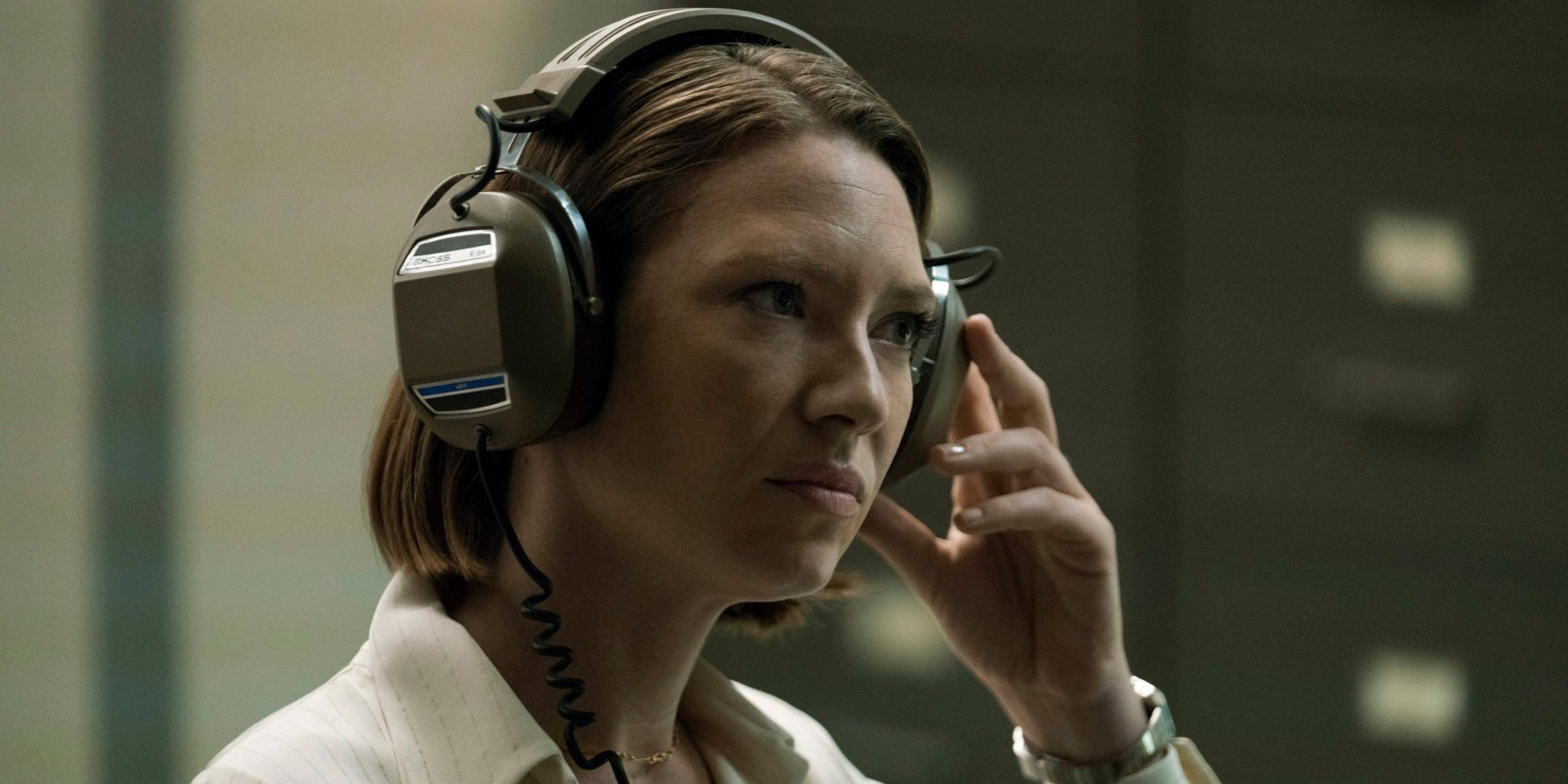
Netflix's Mindhunter and Guy Ritchie's Young Sherlock headline a roster of detective shows that blend procedural storytelling with serialized narrative depth. The list captures how networks and streamers have evolved the crime genre beyond traditional case-of-the-week formats into binge-worthy prestige television.
Mindhunter stands out as a prestige crime drama that follows FBI profilers during the birth of criminal psychology as a discipline. The show's meticulous approach to character development and historical accuracy set a benchmark for how streamers handle complex, intellectually demanding narratives. Its cancellation after two seasons disappointed fans invested in the slow-burn mythology.
Young Sherlock takes a different approach, leaning into the action-mystery hybrid that Ritchie perfected through his Sherlock Holmes films. The series format allows for deeper exploration of the detective's origins and relationships than theatrical constraints permit. The episodic structure balanced with overarching mysteries reflects current television strategy: hook viewers with standalone intrigue while building toward larger payoffs.
The broader list speaks to audience appetite for detective narratives that transcend simple whodunits. Viewers want complex protagonists, morally ambiguous supporting characters, and cases that unfold across multiple episodes rather than wrapping neatly in 42 minutes. Streaming platforms have capitalized on this shift by greenlighting projects with premium budgets and creative freedom.
The detective show remains one of television's most durable formats because it combines puzzle-box storytelling with character study. Whether through Mindhunter's psychological lens or Young Sherlock's action-adventure sensibility, these shows prove audiences crave intelligent crime narratives that respect their time and intelligence. The format works equally well for established streamers and traditional networks seeking their next prestige hit.