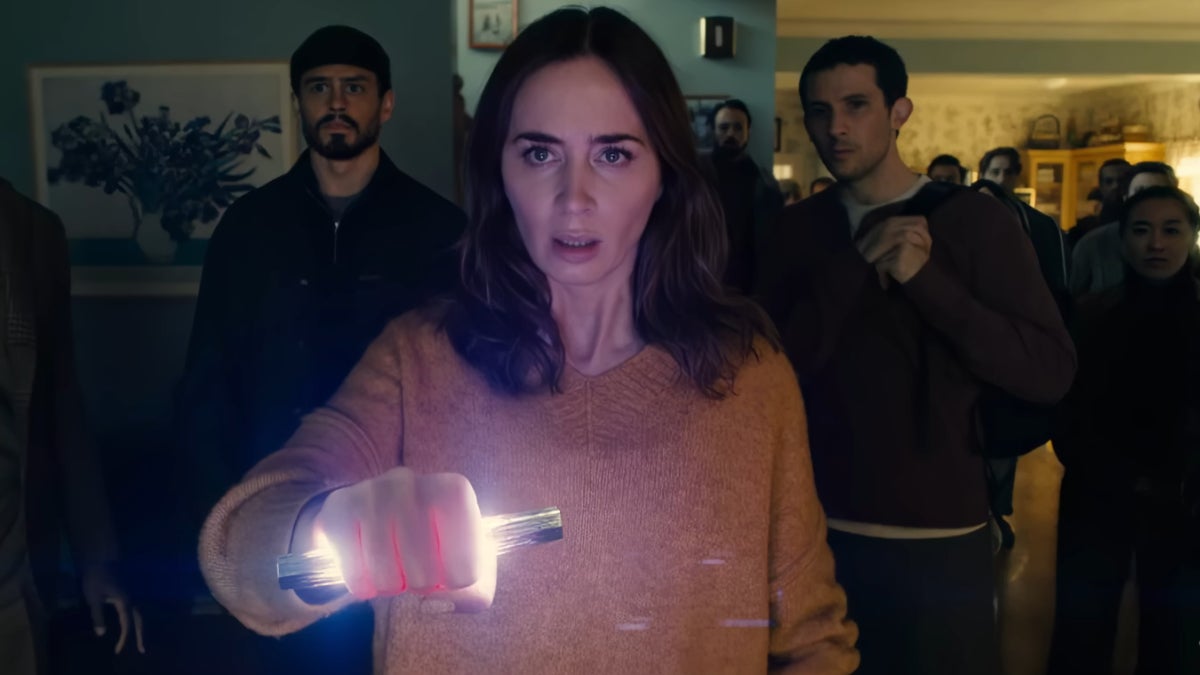
Steven Spielberg produces "Disclosure Day," a summer thriller that pairs Josh O'Connor and Emily Blunt in a high-octane conspiracy narrative. The film borrows liberally from "The X-Files" playbook, positioning two protagonists against shadowy government forces and extraterrestrial secrets. The setup feels familiar: paranoia, cover-ups, truth-seeking operatives dodging institutional power.
The problem lands in execution. Critics note the film's worldview feels dated despite its contemporary setting. It treats conspiracy theories with a credulity that rings hollow in 2024, when audiences understand how misinformation spreads, how algorithms amplify fringe beliefs, and how actual institutional failures look different from cinematic intrigue. The script appears to believe its own mythology without wrestling with modern skepticism.
Blunt and O'Connor deliver committed performances in a "propulsive" narrative that moves with kinetic energy. The chemistry between leads provides genuine engagement, and Spielberg's fingerprints show in the film's craftsmanship. Yet craft alone cannot rescue a story that mistakes earnestness for depth.
The film's central weakness involves its treatment of how conspiracies function in the 2020s. Rather than explore how disinformation thrives through social media, algorithmic radicalization, or decentralized networks of true believers, "Disclosure Day" rehashes Cold War paranoia mixed with blockbuster spectacle. It wants audiences to accept that massive cover-ups remain intact through traditional hierarchies and paper trails. It underestimates institutional incompetence and overestimates institutional coordination.
For summer audiences seeking escapism, "Disclosure Day" delivers thrills without demanding much. The action sequences satisfy. The performances engage. The pacing propels viewers forward. But the film's naive conspiracy framework undermines its ambitions for something weightier. It plays