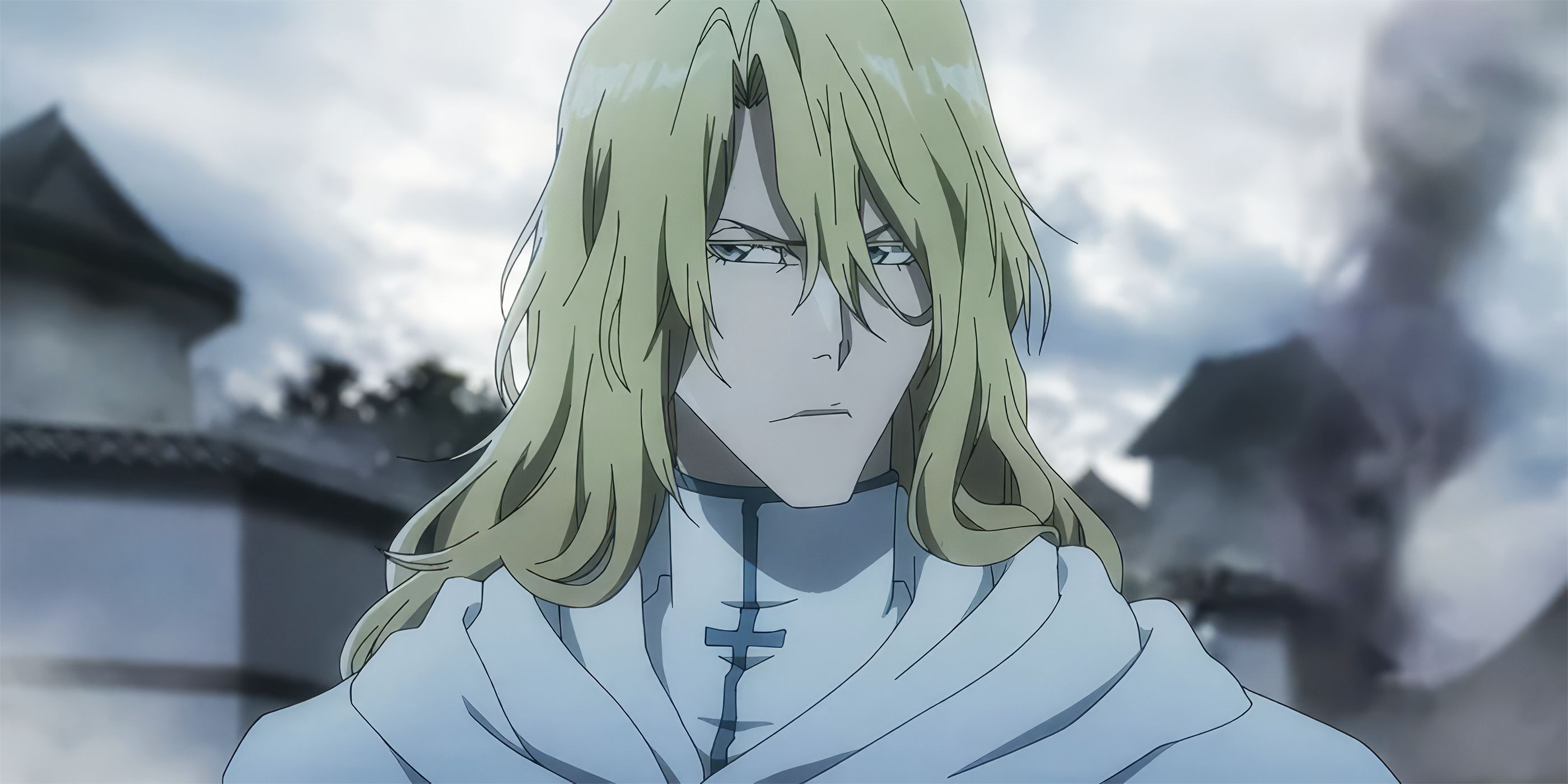
Bleach enters its final chapter, marking the conclusion of a franchise that revolutionized shonen anime across two decades. The long-running series, adapted from Tite Kubo's manga, wraps its anime adaptation as creator expectations and fan anticipation reach a crescendo.
The franchise's influence on anime cannot be overstated. Bleach launched in 2004 and became a cornerstone of the shonen trinity alongside Naruto and One Piece, defining a generation's relationship with anime. The series introduced iconic characters like Ichigo Kurosaki and established visual and narrative conventions that shaped the medium for years. Its Soul Society arc became a masterclass in world-building and character development within the shonen genre.
The finale arrives after Bleach spent years dormant on screens. The anime's return through the Thousand-Year Blood War arc has reignited fan investment, giving the series a proper sendoff rather than a quiet cancellation. This resurrection allowed creator Tite Kubo to see his vision adapted through to completion, something that eluded many anime from that era.
The broader anime landscape shifts as Bleach exits. While the franchise concludes, another anime has seized the moment as Japan's most anticipated series heading into Summer 2026. This transition reflects how the industry constantly cycles between franchises, though Bleach's legacy remains embedded in shonen DNA.
The timing carries weight for the anime industry. As streaming platforms compete for prestige projects and anime gains mainstream recognition in the West, Bleach's conclusion represents an end to one chapter and the opening of another. The series proved that even dormant franchises can command attention when given proper treatment and investment.
For longtime fans, Bleach's ending brings closure. For the industry, it signals that even foundational franchises eventually reach their natural conclusion, paving the way for new properties to claim cultural