Real-time cinema strips away narrative shortcuts and forces audiences into the immediate experience of characters' lives. Collider's roundup celebrates films that unfold in genuine clock time, a constraint that separates the gimmicky from the genuinely purposeful.
Sidney Lumet's "12 Angry Men" stands as the archetype. Locked in a jury room for 96 minutes, the film transposes the full runtime into actual deliberation time. No cuts to flashbacks, no temporal leaps. The claustrophobia becomes thematic, as jurors navigate racial prejudice and reasonable doubt in real hours.
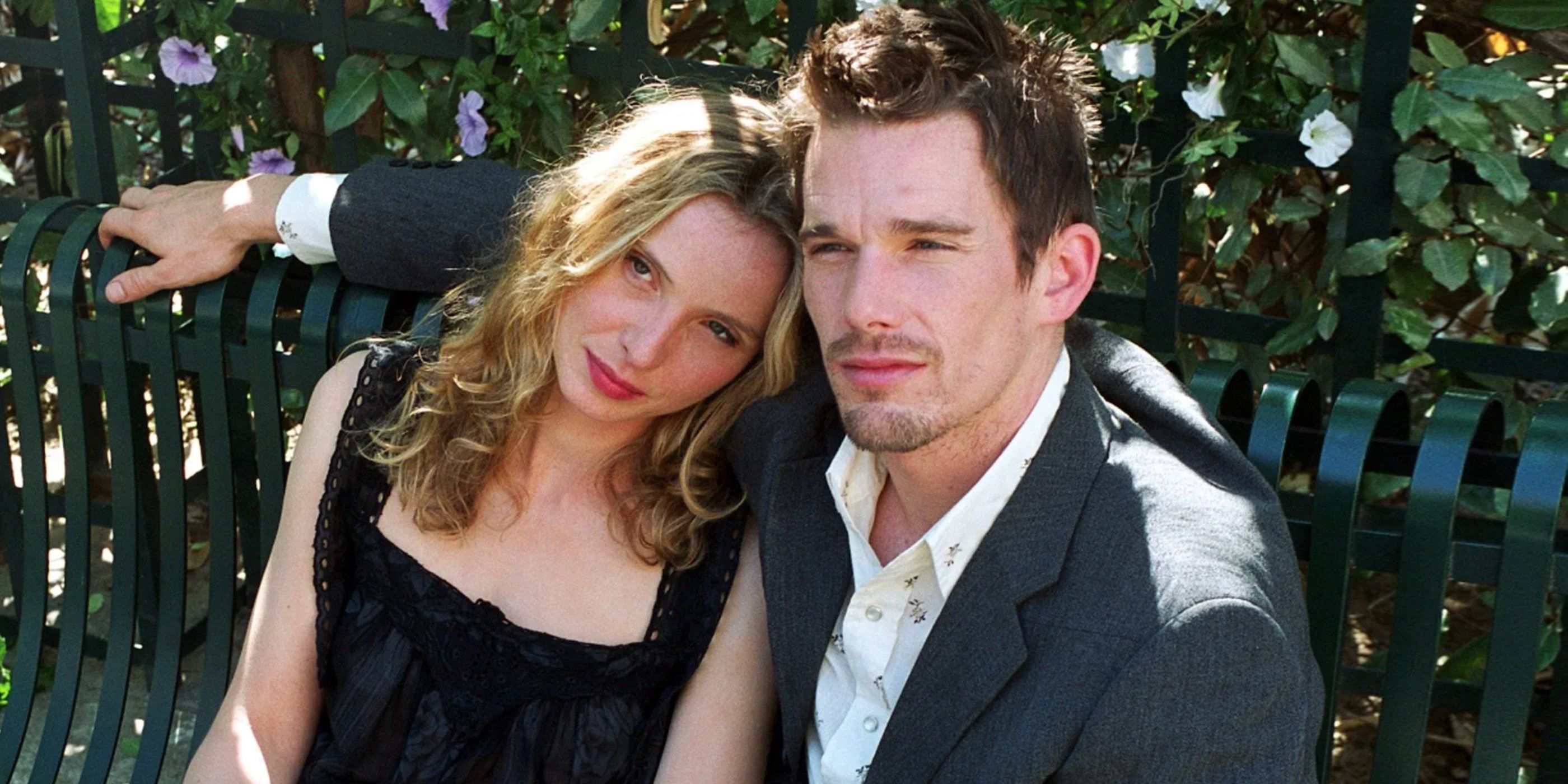
Richard Linklater's "Before Sunset" continues his trilogy's conversation-as-cinema approach. The film captures a 80-minute reunion between Jesse and Céline on Paris streets, matching screen time to story time. Linklater's improvisational dialogue and single-take aesthetic eliminate editing as a storytelling tool, making every word land with weight.
Agnès Varda's "Cléo from 5 to 7" tracks a woman's anxious afternoon waiting for cancer test results. The 90-minute film moves through Paris in real time, collapsing the distance between viewer and subject. Varda's precise temporal structure transforms mundane wandering into existential inquiry.
The real-time constraint shapes how filmmakers work. Without temporal manipulations, pacing depends on performance, dialogue, and location. Character development happens through accumulation rather than montage. Tension builds organically from waiting, from inaction, from the simple passage of hours.
These films reject the Hollywood instinct to compress experience. They trust that watching someone live through actual duration creates immersion traditional narrative cannot match. The audience becomes trapped alongside characters, experiencing their time not as viewers but as witnesses.
Real-time cinema appeals to contemporary audiences fatigued by f