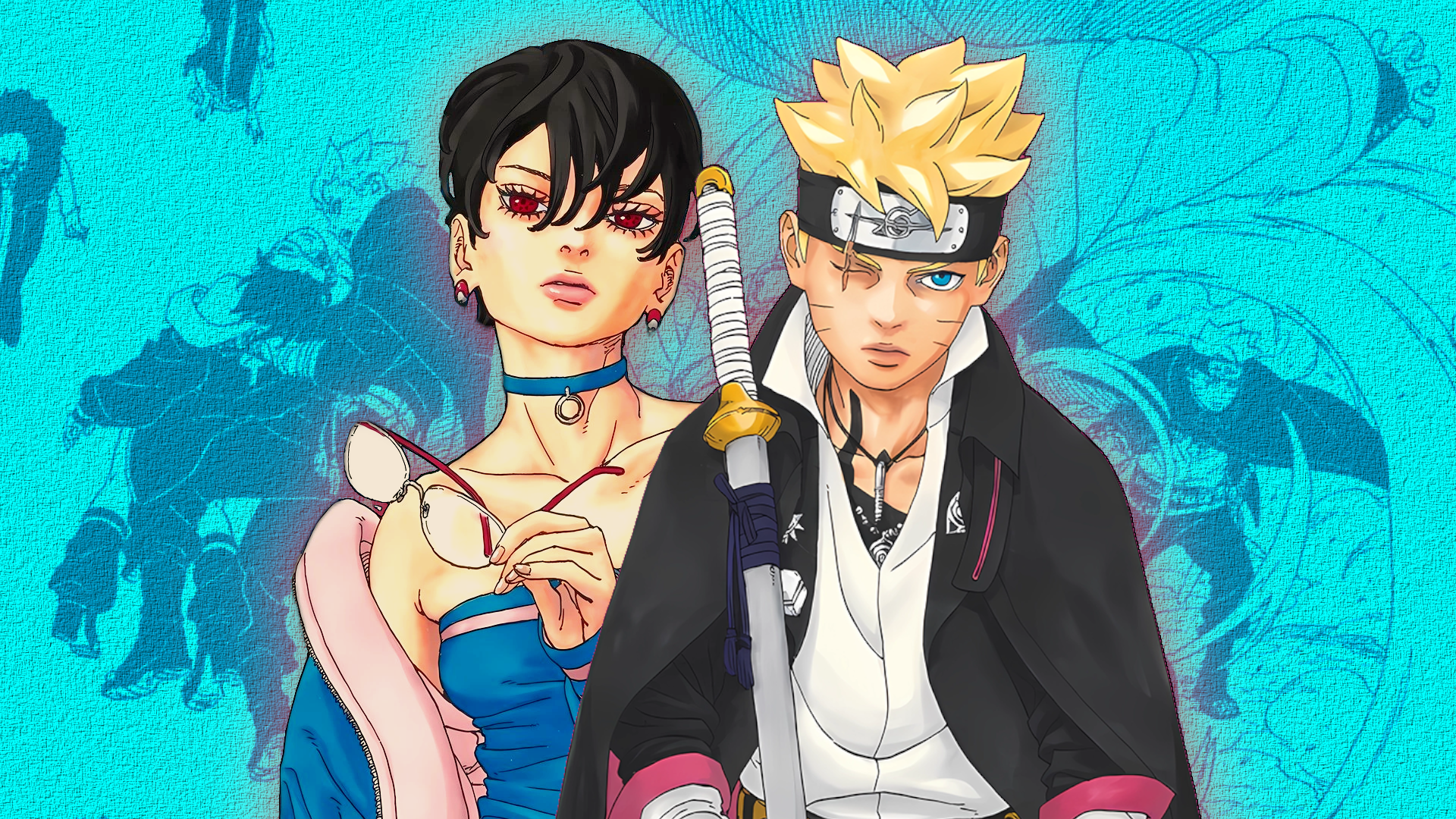
Boruto: Two Blue Vortex has found its narrative compass by inverting the Sasuke Retrieval Arc, one of Naruto's most legendary story beats. The original arc, which aired over two decades ago, centered on Team 7's desperate mission to bring Sasuke back from Orochimaru's grasp. That arc defined the series, cementing Sasuke's role as the rival who could never be fully tamed.
Now, more than two decades later, Boruto's current storyline flips this dynamic. Instead of chasing a wayward prodigy, the narrative spotlights an Uchiha at peak power who serves as an inspiring force rather than a corrupted target. This structural inversion allows the sequel series to honor its predecessor while charting genuinely new territory.
The strength of this approach lies in how it recontextualizes what made the original Sasuke arc so compelling. Fans remember that story for its emotional stakes, the bonds tested between teammates, and the question of whether redemption was possible for someone consumed by ambition. Two Blue Vortex takes those same thematic pillars but applies them through a different lens, one where the Uchiha in question has already walked through darkness and emerged transformed.
By positioning the story's strongest Uchiha as an inspiration rather than an obstacle, Boruto taps into character growth that actually matters. This isn't just fanservice or nostalgia bait. It's a legitimate evolution of the franchise's core relationships and power dynamics. The younger generation now operates in a world where the mistakes of their predecessors serve as cautionary tales and teaching moments rather than repeating patterns.
This narrative choice also signals that Boruto has finally found solid footing after years of mixed reception. The anime and manga have struggled to match Naruto's cultural footprint, but inver