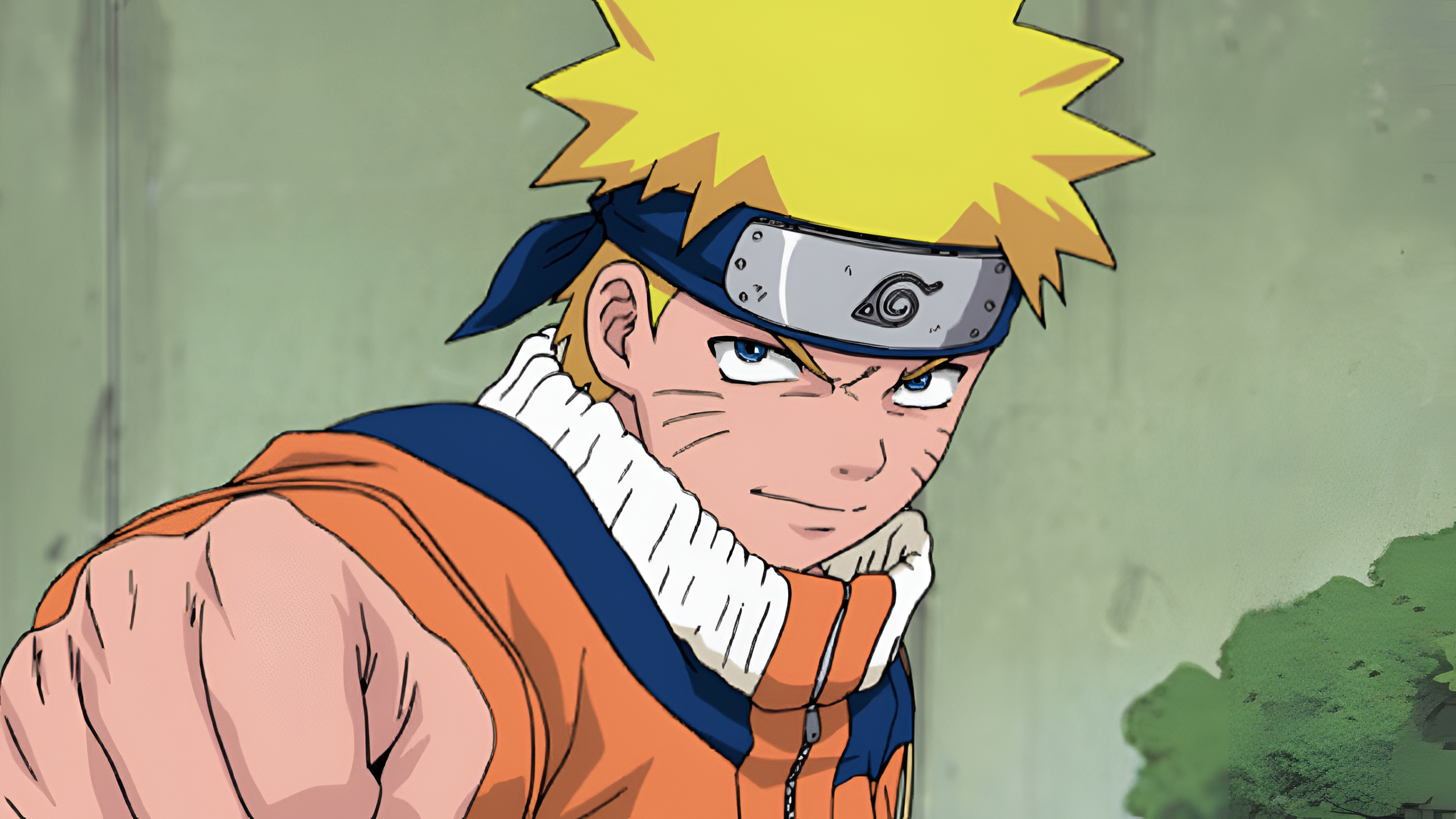
The Naruto franchise continues to lean into one of its most divisive narrative directions despite sustained fan backlash. Studio Pierrot and the creative team behind the ongoing anime adaptation have signaled they will not sidestep the controversial storyline that has frustrated segments of the fanbase.
The decision reflects a broader industry trend where studios commit to their source material adaptations, even when audience reception proves mixed. Naruto's existing fan community remains deeply invested in the franchise despite their frustrations with specific plot developments. This loyalty provides enough viewership momentum that studios can weather criticism without abandoning narrative commitments.
Anime adaptations of long-running manga often face the challenge of balancing creator vision with audience expectations. The Naruto franchise, which has maintained cultural relevance since its 2002 manga debut, carries particular weight. The series' extended universe, including the Naruto Shippuden continuation and its sequel Boruto, has accumulated multiple generations of viewers with different investment levels in the storytelling.
Fan communities have vocalized their displeasure with certain plot elements across social media and fan forums, yet studios typically prioritize narrative coherence over appeasing every faction of the audience. This approach assumes that abandoning controversial storylines mid-adaptation would create greater problems for long-term credibility than pushing forward.
The franchise remains a revenue driver for its studios and streaming platforms. Crunchyroll and other platforms that distribute Naruto content maintain strong subscriber interest in new episodes, regardless of fan sentiment toward specific arcs. This financial reality empowers creative teams to make bold storytelling choices.
Naruto's willingness to maintain controversial narrative directions positions it alongside other major anime franchises that have weathered similar debates. Attack on Titan, My Hero Academia, and other long-form anime series have faced comparable audience divisions over plot developments. Studios generally view narrative consistency as more valuable than retroactive alterations.