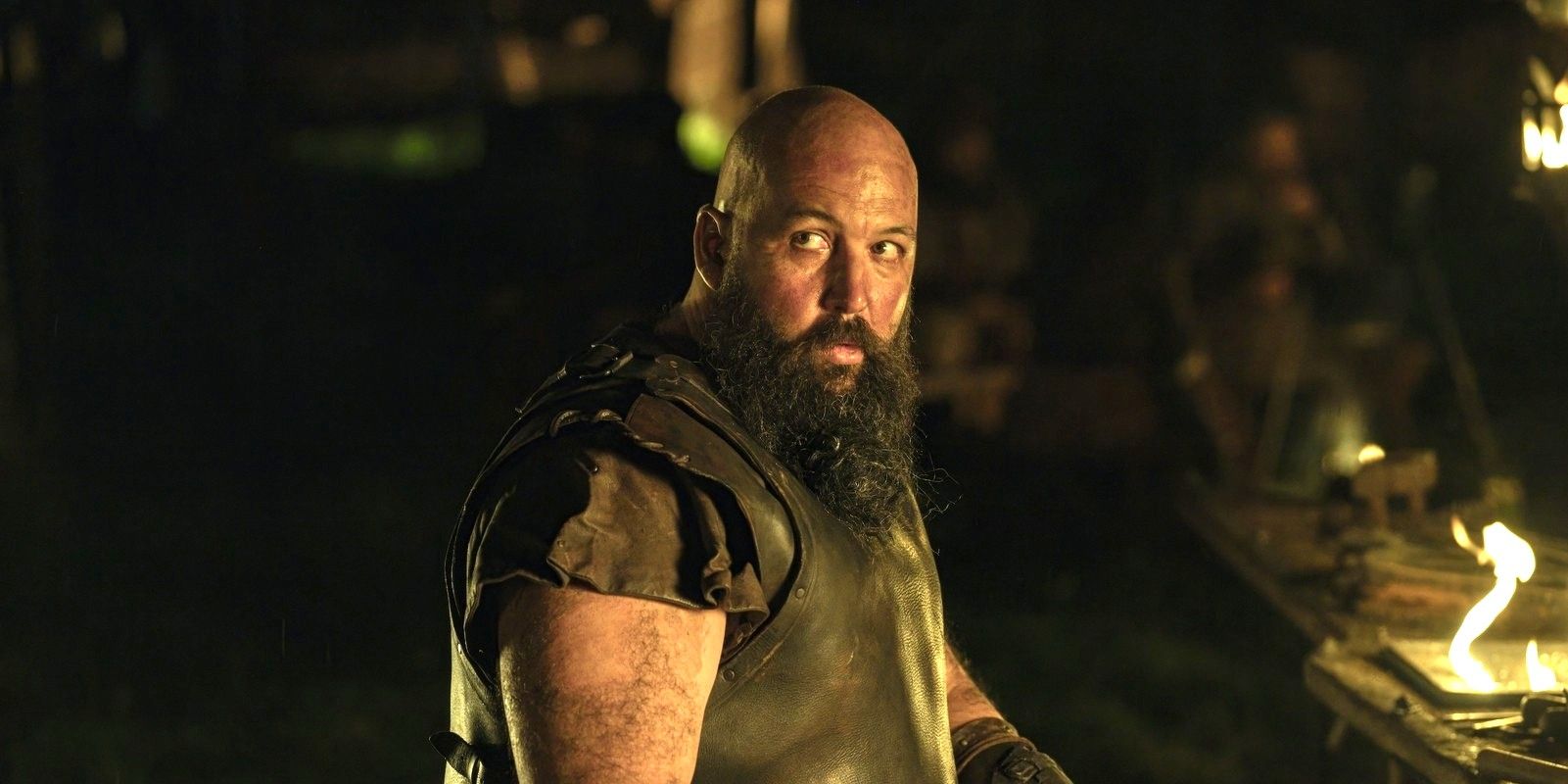
HBO's "A Knight of the Seven Kingdoms" has accomplished what seemed impossible after the divisive finale of Game of Thrones: it united fractured fandom around a new vision of Westeros. The six-part fantasy series strips away the byzantine plotting and nihilistic turns that alienated audiences from the original show's final seasons, replacing them with a charming, character-driven narrative that feels both intimate and epic.
The prequel draws from George R.R. Martin's "The Dunk and Egg" novellas, centering on a young knight and his squire navigating the realm during a simpler era. This scaled-down approach proves refreshing. Rather than juggling dozens of political factions and shock-value deaths, the show focuses on adventure, honor, and genuine human connection. The storytelling feels purposeful instead of arbitrary, earning its emotional beats through solid characterization rather than spectacle for spectacle's sake.
What's remarkable is how the series acknowledges the toxicity that plagued Game of Thrones discourse while offering something different. The show doesn't lecture or overcorrect. It simply tells a better story within the same universe. Longtime fans who felt betrayed by Jon Snow's arc or Daenerys's abrupt turn recognize quality craftsmanship here. Newcomers discover that Westeros can be engaging without requiring a wiki to follow.
The performances anchor everything. The chemistry between leads carries viewers through classic hero's journey beats that could feel stale in less capable hands. The production design and cinematography honor the grandeur of the Seven Kingdoms without drowning every scene in grimdark aesthetics.
HBO clearly learned from the backlash. Rather than greenlighting multiple sprawling spinoffs simultaneously, the network took a measured approach with "A Knight of the Seven Kingdoms," focusing on completion and quality over universe expansion. This restraint,