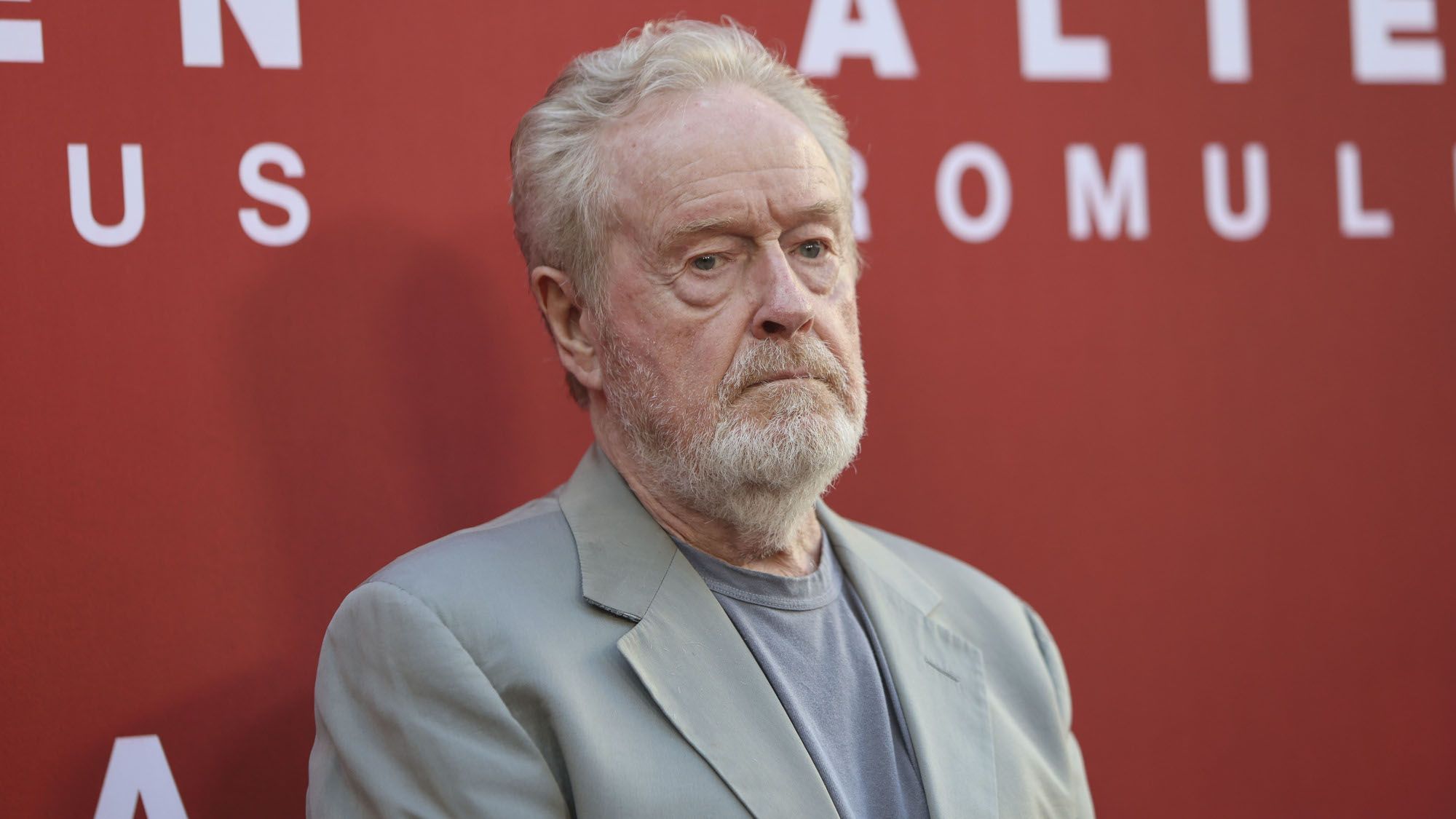
Ridley Scott's latest horror venture has landed a solid Rotten Tomatoes audience score nearly a month after its premiere, signaling that viewers connect with the acclaimed director's foray into the genre. Scott, best known for launching the Alien franchise with his 1979 masterpiece, brings his visual sophistication and command of sci-fi dread to this new series.
The audience reception matters in an increasingly crowded streaming landscape where word-of-mouth and viewer ratings drive subscription decisions. Horror series have emerged as a reliable draw for streamers, from Hulu's genre experiments to Netflix's anthology offerings. Scott's involvement alone carries weight. His filmography spans Blade Runner, Gladiator, and The Martian, establishing him as a director who balances prestige with commercial appeal.
The delayed Rotten Tomatoes audience score suggests the series built momentum gradually rather than exploding on premiere day. This pattern reflects how prestige horror gains traction through discovery and recommendation rather than cultural event status. The timing also indicates the series benefited from word-of-mouth and secondary viewership before audience ratings stabilized.
Scott's entry into episodic storytelling comes at a moment when established filmmakers seek television platforms. Prestige television has collapsed the hierarchy between film and TV, allowing directors to extend their creative visions across ten-hour narratives rather than confining themselves to two-hour windows. For Scott, the series format permits deeper world-building and character development within horror's framework.
The "timely" descriptor in the announcement suggests thematic relevance beyond genre thrills. Contemporary horror increasingly mines social anxiety and current fears. Scott's track record with allegorical sci-fi means this series likely operates on multiple levels, addressing present-day concerns through genre trappings.
This audience reception validates Scott's strategic move into streaming television. The score demonstrates that viewers hunger for horror