Collider ranks the best sci-fi opening shots in cinema history, highlighting how the first frame sets the tone for entire worlds. The list includes Stanley Kubrick's A Clockwork Orange, Ridley Scott's Blade Runner, and George Lucas' Star Wars, films that opened audiences' eyes to distinctive visual languages that defined their respective eras.
An opening shot carries enormous weight in science fiction. It must establish the film's aesthetic, world-building, and narrative stakes within seconds. Kubrick's A Clockwork Orange opens on Alex DeLarge's face in extreme close-up, his eye makeup and unblinking stare immediately signaling the film's psychological intensity and dystopian menace. Blade Runner's opening pulls back to reveal the neon-soaked Los Angeles skyline, pyramidal megacorporations dominating the frame, and fire erupting from industrial towers. That single shot communicates everything about Scott's neo-noir vision of corporate excess and environmental decay.
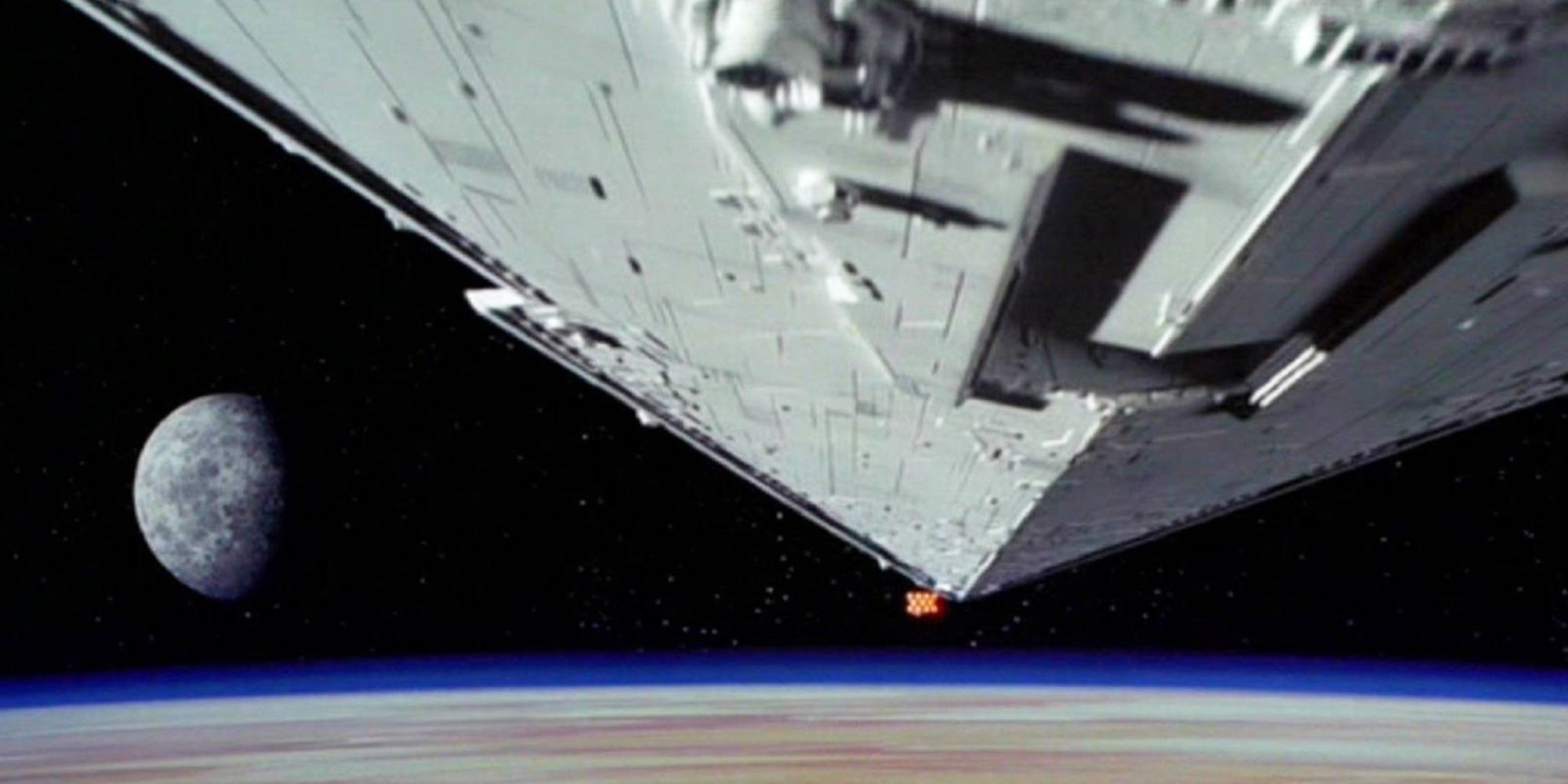
Star Wars changed expectations for opening shots entirely. The crawl of text scrolling into space became iconic, but what follows matters just as much. The camera tilts down to reveal a massive Star Destroyer chasing Princess Leia's vessel across a starfield. Lucas understood that sci-fi openings need scale and movement to pull audiences into unfamiliar universes.
Other films likely on the list tap into similar principles. 2001: A Space Odyssey opens on Earth and the moon before humans speak a word. Blade Runner 2049 carries forward Scott's visual legacy with neon-drenched desert vistas. The Matrix begins in code before revealing the simulation beneath. Gravity starts in silent space. Arrival and Dune establish their worlds through environmental storytelling.
These opening shots work because they communicate genre identity instantly. They promise audiences something different from terrestrial narratives. Great sci