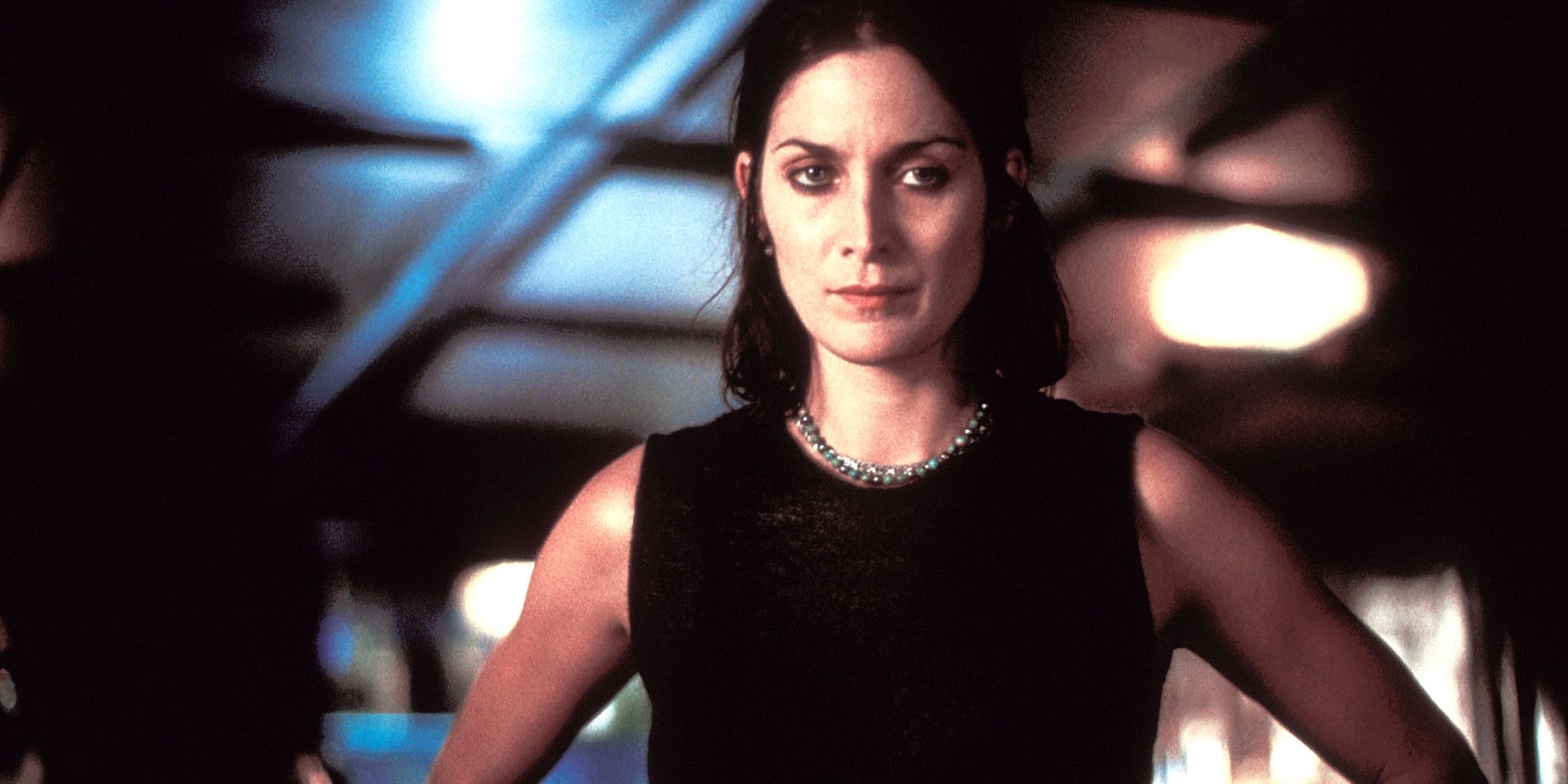
Christopher Nolan's "Memento" lands on free streaming this month, giving audiences a fresh opportunity to experience one of cinema's most audacious narrative experiments. The 2000 revenge thriller, which stars Guy Pearce as Leonard Shelby, a man with short-term memory loss hunting his wife's killer, remains a masterclass in unconventional storytelling nearly a quarter-century after its theatrical release.
The film's nonlinear structure, told partly in reverse chronology, captivated audiences and critics alike upon release. Nolan crafted a puzzle-box narrative that mirrors Leonard's fractured consciousness, forcing viewers to piece together reality alongside the protagonist. That formal innovation, paired with Pearce's committed performance and Joe Pantoliano's scene-stealing turn as Teddy, cemented "Memento" as a watershed moment for mainstream cinema willing to challenge audience expectations.
What endures beyond the structural gimmick is the film's thematic core. "Memento" interrogates memory, identity, and the reliability of perception. Leonard's tattoos, photographs, and notes become external scaffolding for a mind constantly resetting itself. Nolan uses this premise to ask darker questions about self-deception and whether we construct versions of truth that serve our emotional needs rather than objective reality.
The film launched Nolan's career trajectory toward larger canvases like "The Prestige," "Inception," and the "Dark Knight" trilogy. But "Memento" retains a scrappy, intimate quality those later works often sacrifice for spectacle. Produced on a modest budget of $9 million, the film demonstrates that formal innovation and intellectual rigor can thrive without nine-figure budgets or franchise obligations.
Streaming availability fluctuates considerably across platforms, making free access rare. This window offers both longtime devotees a reason to revisit