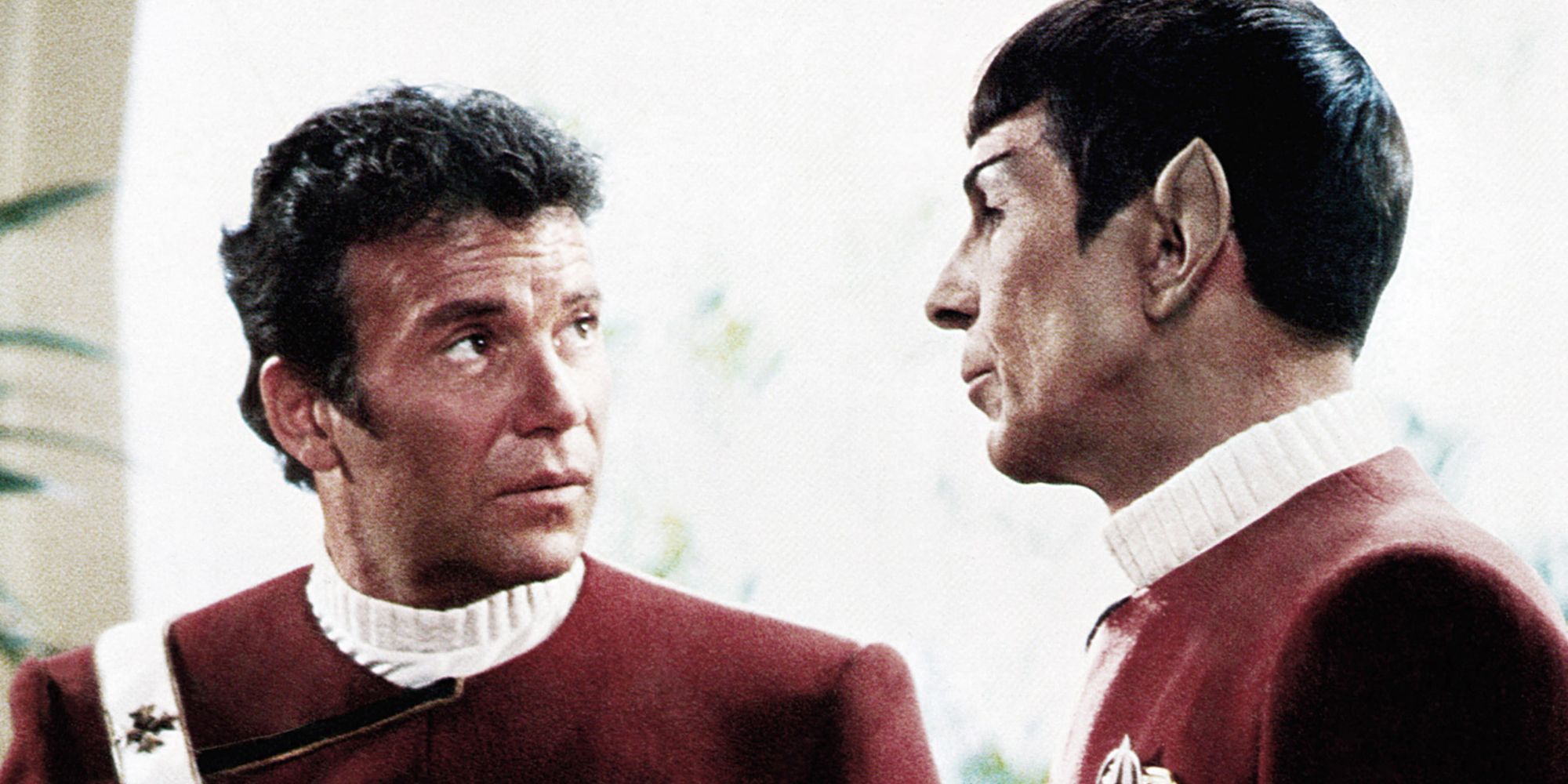
Spock's iconic line from Star Trek II: The Wrath of Khan continues to resonate across sci-fi fandom four decades after the 1982 film's release, though most audiences misunderstand its true significance.
Leonard Nimoy's Vulcan character delivers what many consider the greatest piece of dialogue in science fiction cinema during the climactic reactor chamber sequence. The oft-quoted phrase carries layers of meaning that extend far beyond the surface-level interpretation fans typically embrace. What appears as a simple statement of logic actually reflects Spock's evolution as a character and his complex relationship with sacrifice and duty.
The Star Trek II moment became cultural shorthand for cold rationality, routinely invoked in casual conversation and memes whenever someone needs to justify a selfless act through pure logic. But Nicholas Meyer's direction and the specific context of the moment reveal something more profound. Spock isn't simply choosing the greatest good for the greatest number. He's acknowledging his own humanity by choosing connection over detachment, emotion over pure logic.
This depth explains why Star Trek II remains the franchise's creative apex nearly 45 years later. The film understood that the series' real engine wasn't exploring strange new worlds or seeking out new civilizations. It was watching Spock and Kirk grapple with mortality, friendship, and what it means to be alive. Meyer's script transformed Star Trek from episodic television into something approaching genuine tragedy.
The quote endures because it works on multiple registers. Casual viewers remember it as a neat piece of sci-fi philosophy. Devoted fans recognize it as Spock's ultimate acceptance of the human values he spent years rejecting. It's simultaneously perfectly quotable and perfectly complex, which explains why filmmakers and writers still reference The Wrath of Khan as the gold standard for character-driven science fiction storytelling.