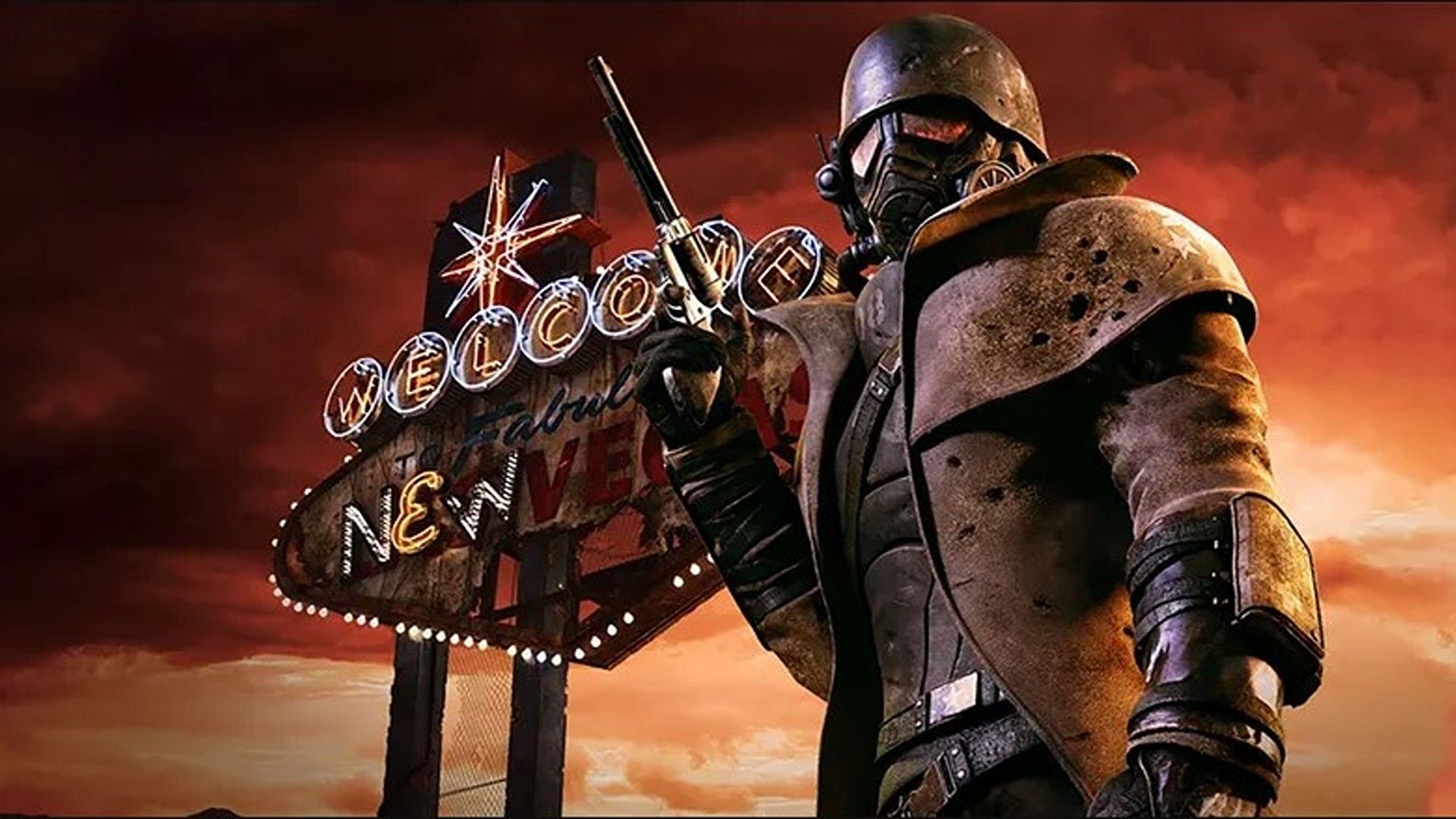
Obsidian Entertainment's "Fallout: New Vegas" has officially made a comeback, offering players a fresh opportunity to experience one of the franchise's most beloved entries. The 2010 RPG, developed by Obsidian rather than Bethesda, earned cult status for its narrative depth, faction-based gameplay, and the Mojave Wasteland's distinctive aesthetic that set it apart from Bethesda's mainline "Fallout 3" and "Fallout 4."
While Bethesda Game Studios hasn't announced a timeline for the next major "Fallout" installment, the resurgence of "New Vegas" fills that void for franchise devotees. The rerelease capitalizes on renewed interest in the property following the success of the "Fallout" HBO adaptation, which premiered in 2024 and brought mainstream attention to the series' dark humor and retrofuturistic world-building.
"New Vegas" distinguishes itself through player choice and consequence-driven storytelling. The game's faction system allows players to align with the New California Republic, the Caesar's Legion, or pursue independent endings, fundamentally altering the narrative's direction. This modularity appeals to role-players seeking genuine agency, a quality that resonates with audiences fatigued by more linear AAA experiences.
The return addresses longtime fan frustration over Bethesda's extended silence regarding the next mainline entry. With Todd Howard's studio focused on other projects and the franchise's expansion into television proving commercially viable, the company appears content letting "New Vegas" satisfy immediate demand.
For players discovering the Mojave for the first time or returning veterans seeking nostalgia, this release represents Obsidian's enduring legacy within the "Fallout" universe. The studio's willingness to prioritize narrative complexity and meaningful player agency established a template that influenced subsequent Bio