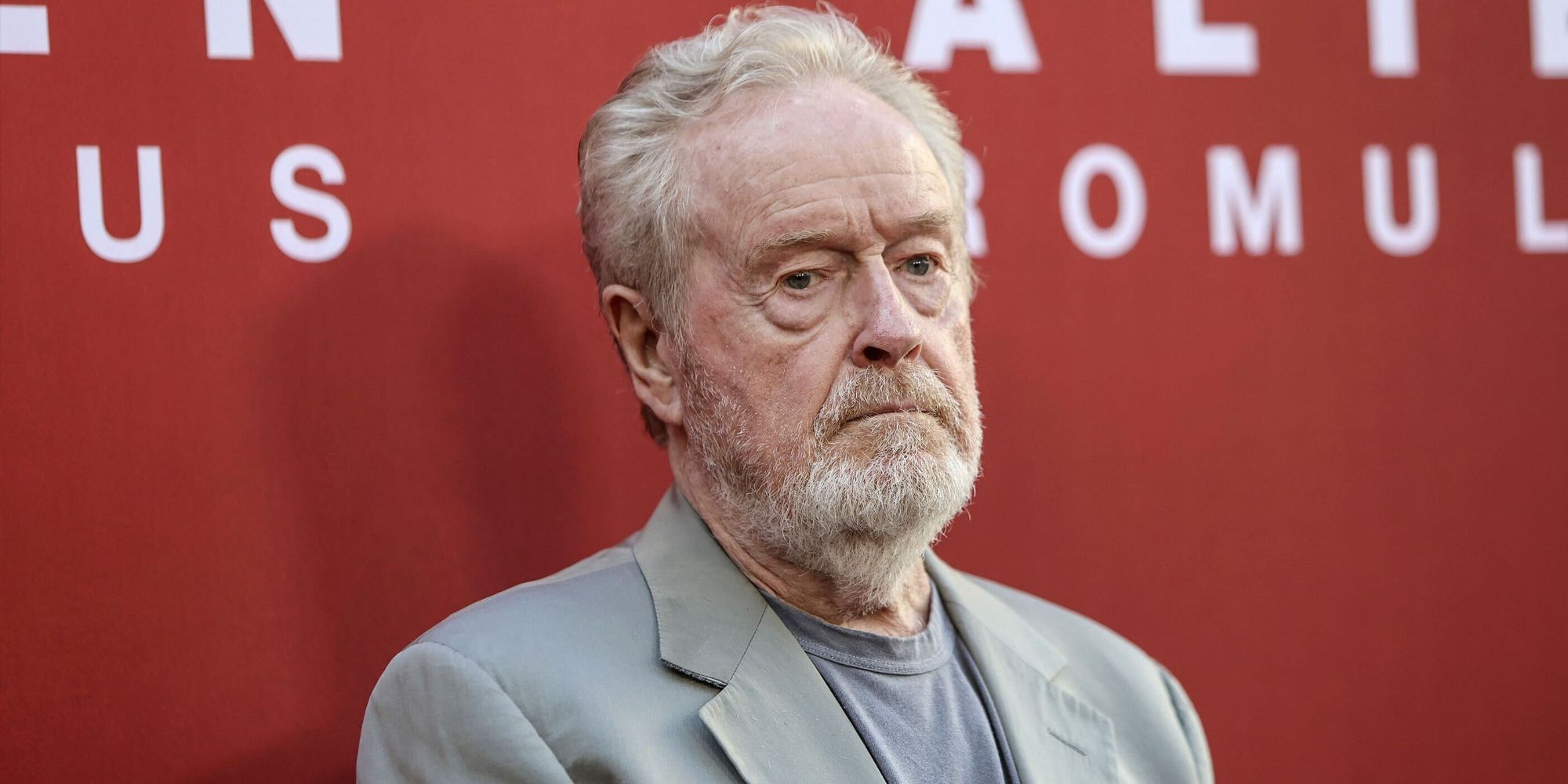
Ridley Scott's sprawling war epic has landed on streaming platforms, giving audiences fresh access to one of the director's most demanding and immersive battlefield experiences. The 144-minute runtime reflects Scott's uncompromising approach to warfare cinema, a sensibility that defined his career from Gladiator through Kingdom of Heaven and beyond.
Scott's war films operate in a specific register. They reject sanitized heroism in favor of grinding, visceral combat that prioritizes historical texture over narrative convenience. His recent work, particularly in this epic, channels that same aesthetic commitment. The extended length serves a purpose: Scott uses runtime to build atmosphere, develop character through action rather than exposition, and force viewers into the psychological space of conflict.
Streaming arrival matters for discovery. Scott's war films demand large screens and immersive audio, yet they've historically struggled with theatrical staying power compared to franchise tentpoles. Moving to streaming platforms broadens the potential audience while creating new challenges for how viewers experience the film's technical and tonal ambitions.
The director's filmography reveals a consistent fascination with empire, duty, and the machinery of organized violence. Whether examining Roman gladiatorial combat or medieval crusades, Scott treats warfare as both spectacle and human devastation. His 144-minute commitments refuse the three-act compression that dominates contemporary filmmaking. Instead, he builds psychological endurance alongside narrative momentum.
This particular arrival reflects broader industry shifts. Prestige war films face theatrical headwinds. Streaming platforms increasingly invest in limited theatrical runs followed by rapid streaming debuts. For Scott, whose working methods emphasize production scale and technical precision, this model creates tension. Battlefield authenticity demands resources that streaming budgets traditionally reserved for prestige limited series.
The film's streaming placement positions it alongside other ambitious war narratives, yet Scott's sensibility remains distinctive. His refusal to compromise runtime or visceral detail separ