Workplace sitcoms have evolved far beyond the Dunder Mifflin template that NBC's The Office perfected over nine seasons. While that show built its empire on cringe humor and documentary-style awkwardness in a single office, contemporary workplace comedies have expanded their scope dramatically.
Archer demonstrates how workplace comedy thrives in high-stakes environments. The animated spy sitcom transforms office politics into literal espionage missions, replacing fluorescent cubicles with international intrigue. Its serialized storytelling and character development show that workplace settings need not remain static or mundane to generate laughs.
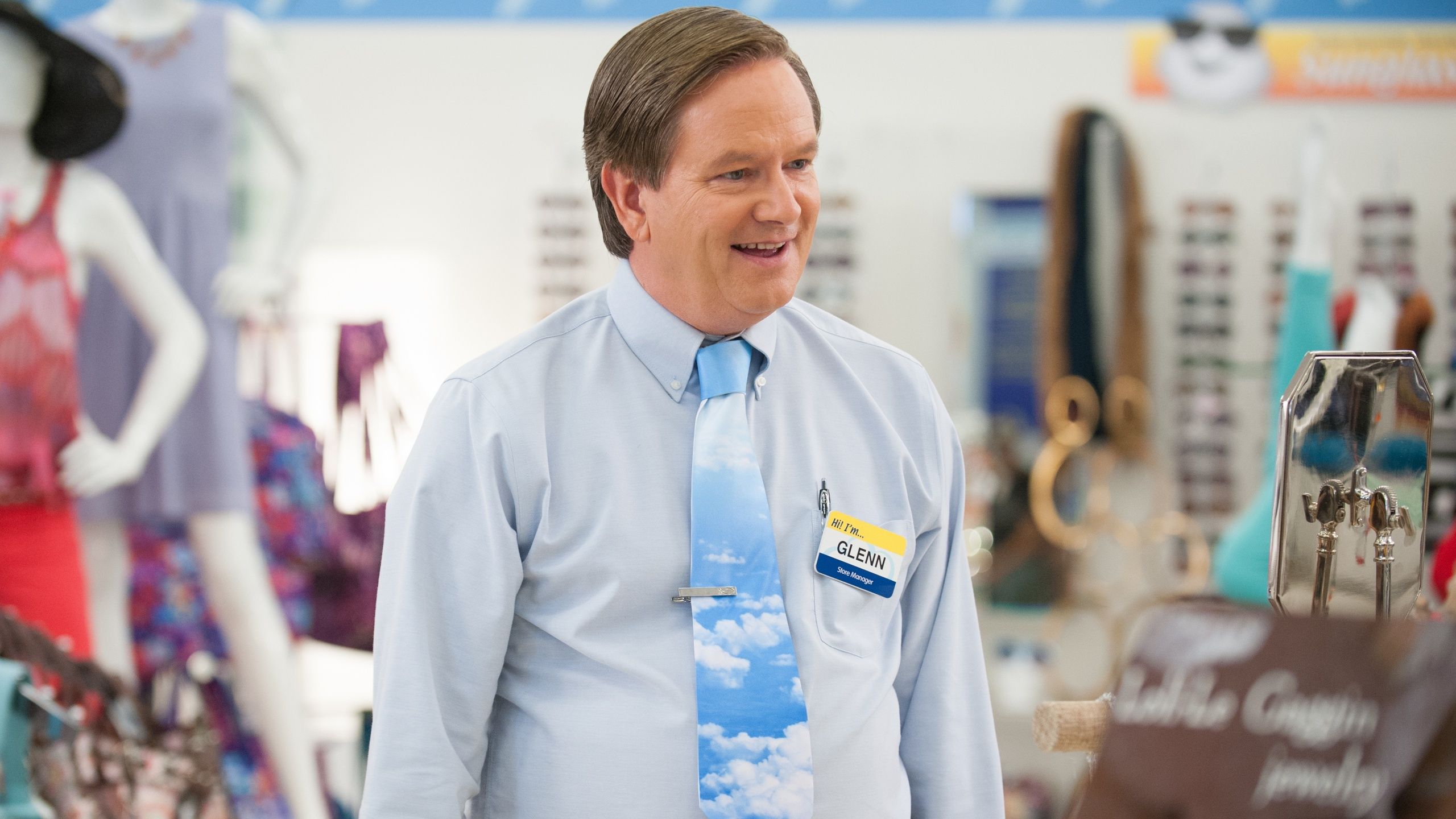
Superstore took retail comedy to a different extreme, turning a big-box store into a sprawling microcosm of American capitalism and labor struggles. The NBC series balanced laugh tracks with genuine pathos, exploring inventory disputes alongside immigration anxieties and wage stagnation. It proved workplace comedies could tackle systemic issues without abandoning humor.
These shows share The Office's DNA. they all build comedy around ensemble casts navigating hierarchies, absurd management, and interpersonal conflict. But they've learned that variety matters. Some embrace absurdism. Others lean into social commentary. A few blur comedy with drama in ways that would seem tonal whiplash if attempted in Dunder Mifflin's breakroom.
The Office's documentary format revolutionized workplace comedy, but it also created a template that imitators struggled with. Parks and Recreation borrowed heavily, while shows like Brooklyn Nine-Nine adapted the structure for different settings. The most successful contemporary workplace comedies have distinguished themselves by refusing that straightforward imitation.
What unites these newer entries is ambition. They treat their workplaces as complete worlds rather than backdrops. Archer's agency becomes a character itself. Superstore's customer interactions matter as much as employee drama. These shows understand that a workplace sitcom