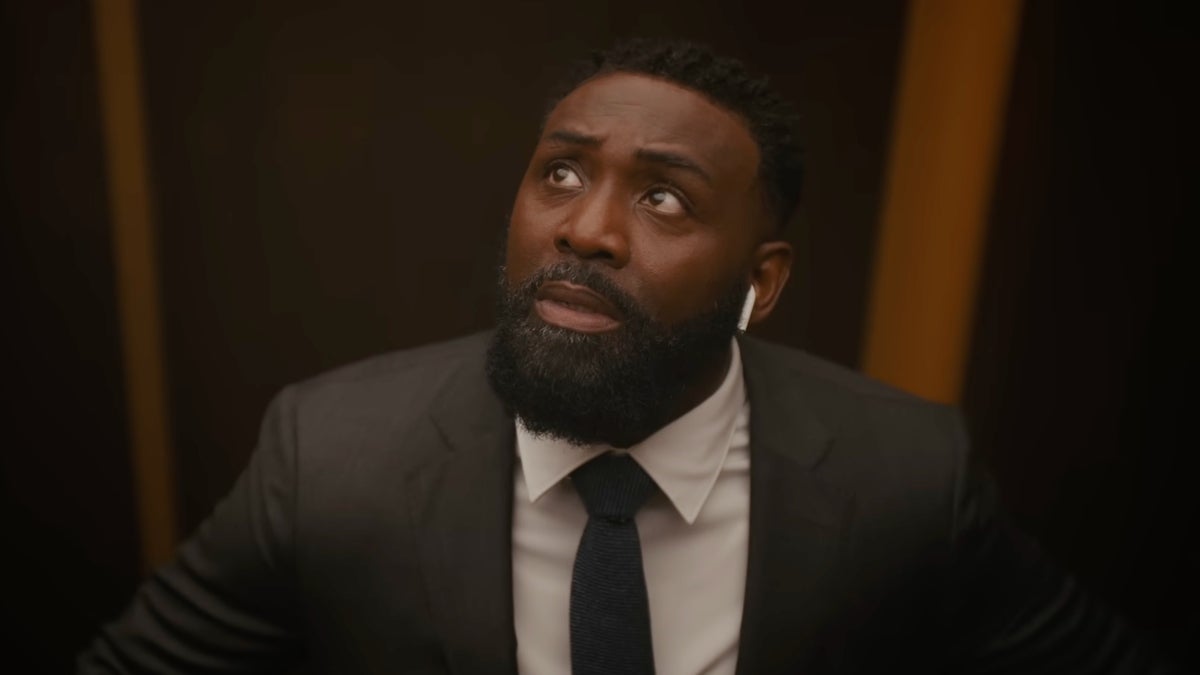
Kevin Cate's YouTube short "Open Door" will expand into a feature film, riding the wave of successful horror adaptations like "Obsession" and "The Backrooms" that converted viral digital content into theatrical releases.
The short has amassed nearly 15 million views on YouTube, demonstrating the kind of audience pull that studios now recognize as bankable IP. This marks another instance of the entertainment industry mining short-form content platforms for feature-length material, a strategy that gained legitimacy after horror films built from viral shorts found commercial traction.
Cate's move reflects a broader industry shift. Studios actively scout YouTube, TikTok, and other platforms for creators whose work already commands massive engagement numbers. A 15 million view count signals not just viral success but an existing fanbase ready to follow the property across formats. "The Backrooms," adapted from creepypasta lore into a feature that arrived on Hulu, and "Obsession," similarly expanded from internet horror content, proved the formula works when audiences care deeply about the source material.
What makes these adaptations work differs from traditional development. These shorts arrive with built-in fandom and proven storytelling instincts. Cate demonstrated he understands pacing, tension, and visual storytelling within YouTube's constraints. Feature adaptation allows him to expand scope and budget while keeping the core premise that resonated with millions.
The YouTube-to-feature pipeline benefits all parties. Creators like Cate secure financing and theatrical/streaming distribution they might not access through traditional channels. Studios reduce development risk by backing projects that already proved audience appeal. Platforms like YouTube gain prestige when their creators graduate to major releases.
This movement also signals what modern audiences want. Horror dominates viral short-form content because the format plays to the genre's strengths. Tight, efficient scares work in three-to-five