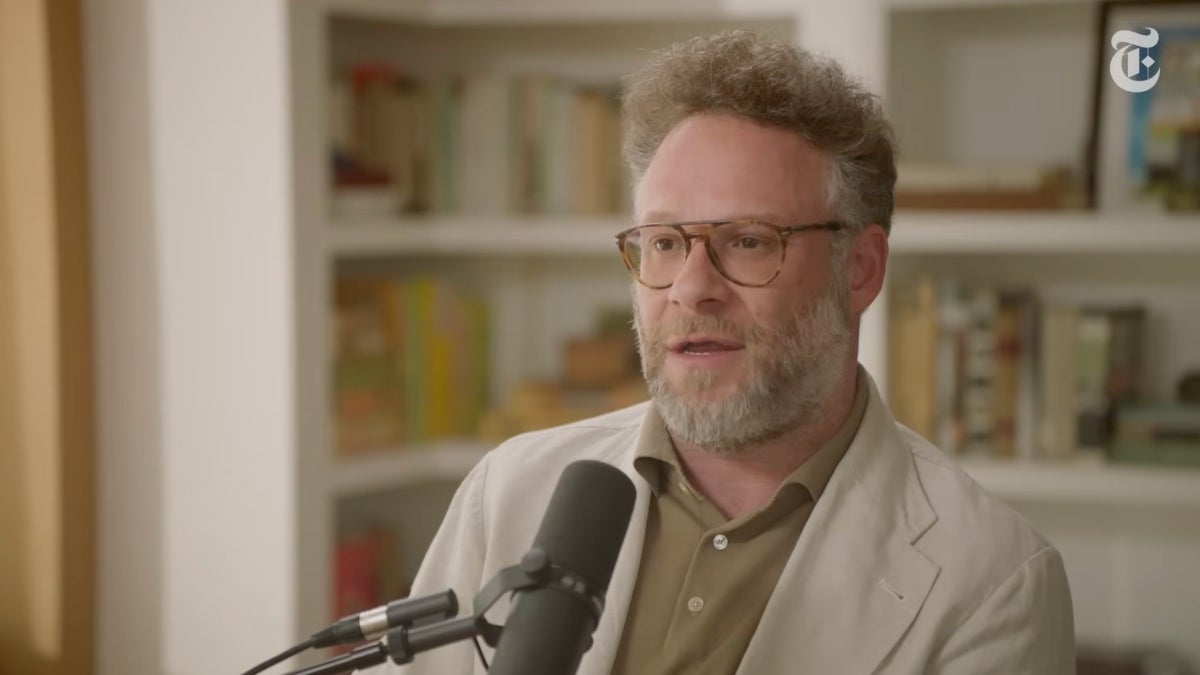
Seth Rogen reflected on how the film industry's changed since "Superbad" launched in 2007, saying the buddy comedy would never survive modern development processes. Speaking on "The Interview," Rogen explained that no studio today would greenlight a script, assign a release date, cast it, and move straight into production without extensive notes, rewrites, and market testing.
The film, co-written by Evan Goldberg and Jonah Hill, became a cultural touchstone for its raw humor and authentic teenage voice. It succeeded partly because studios operated differently then. Decision-making moved faster. Scripts faced fewer committee reviews. Creative voices retained more authority through production.
Rogen's comments reflect larger industry anxieties about how risk-aversion and corporate consolidation have reshaped filmmaking. Major studios now rely heavily on sequels, franchises, and IP with built-in audiences. Original comedies, particularly R-rated ones targeting younger demographics, struggle to find financing and theatrical slots. Streaming services shifted audience expectations about where comedy lives. Box office performance for mid-budget comedies cratered post-pandemic.
The conditions that allowed "Superbad" to exist involved trust in filmmakers and tolerance for unconventional projects. Studios greenlit scripts from inexperienced writers. They trusted directors to execute vision. They released films on schedules set early, not constantly delayed by focus groups and reshoot demands.
Today's development culture emphasizes data analytics, franchise potential, and merchandising hooks. A script about two high schoolers trying to buy alcohol before a party, built on improvisation and character specificity, would likely face studio notes demanding broader appeal, name-attached stars from day one, and post-production interference aimed at softening edges for international markets.
Rogen's observation carries weight because "Superbad" proved that smart, character-driven comedies could dom