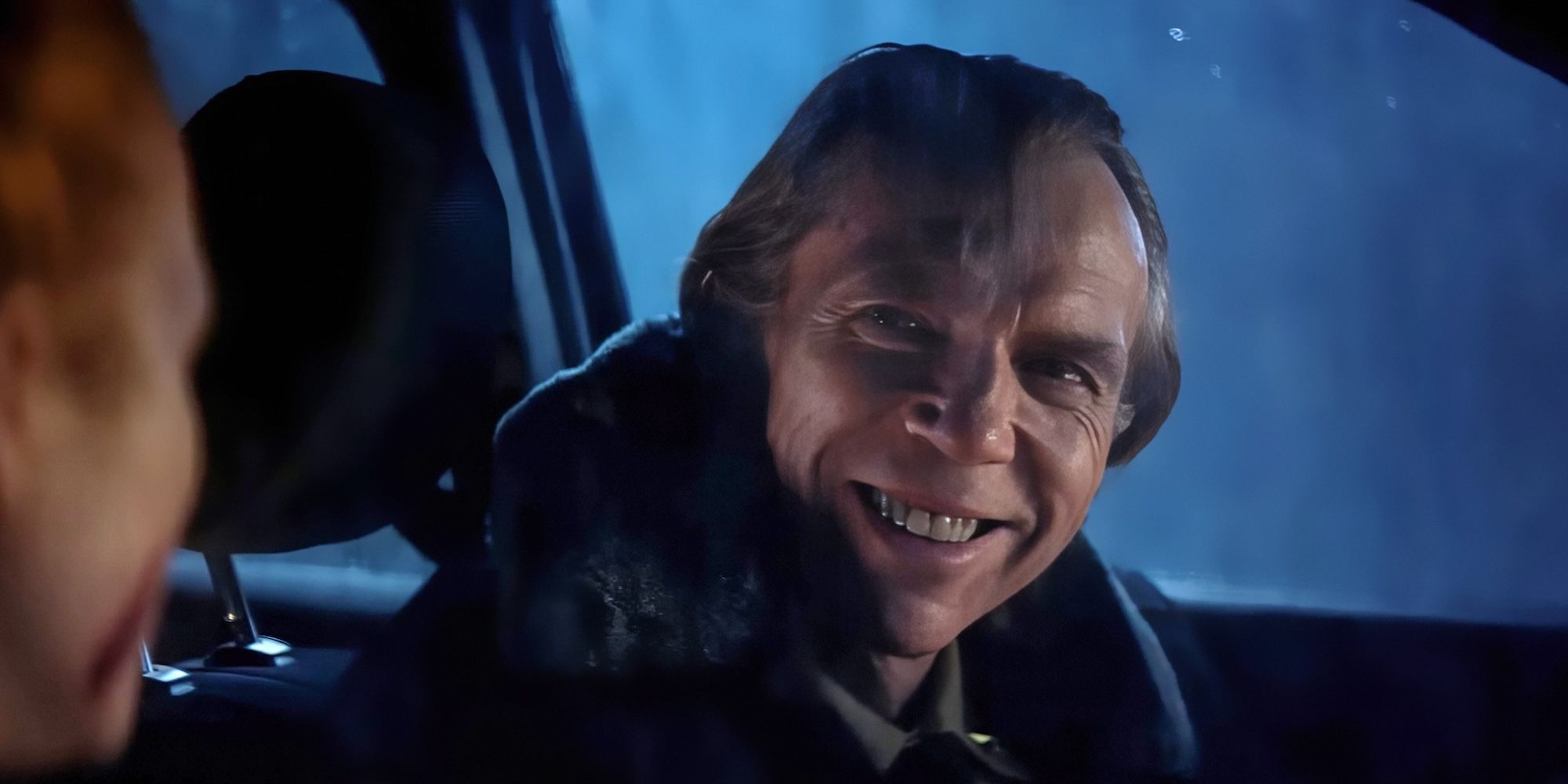
The Strangers: Chapter 3 has become an unexpected streaming phenomenon despite critical panning that branded it the worst horror film of 2026. The Liv Tyler and Christina Hendricks-led sequel arrived on streaming platforms where it found a devoted audience willing to embrace what critics rejected.
The franchise revival, which resurrected the home-invasion horror template established by Bryan Bertino's 2008 original, faced brutal reviews upon theatrical release. Industry observers and critics consensus deemed it the year's lowest point in horror filmmaking, citing poor execution, tired jump scares, and a derivative narrative that added nothing fresh to the slasher subgenre. The movie's theatrical run reflected this critical reception, with lackluster box office performance signaling audience indifference.
Streaming presented an entirely different equation. The shift to digital platforms fundamentally changed how audiences engaged with the material. What failed to compel moviegoers paying premium prices for theatrical tickets found traction among subscribers browsing their streaming libraries for late-night thrills. The algorithm-driven recommendation systems of platforms like Netflix, Prime Video, or Paramount Plus likely amplified visibility, placing the film in front of viewers predisposed to genre content.
This discrepancy between critical reception and streaming success represents a widening gulf between traditional film criticism and casual genre viewership. Horror audiences, particularly those consuming content at home, operate under different expectations than theatrical critics. Jump-scare heavy films and familiar tropes that earn condemnation from serious cinephiles often perform reliably with streaming demographics seeking unchallenging entertainment.
The Strangers: Chapter 3 joins a growing catalog of critically dismissed horror entries that found commercial legs on digital platforms. Studios increasingly accept poor critical response as acceptable if streaming metrics prove healthy. This economic reality incentivizes continued production of high-concept but low-effort horror, knowing that theatrical failure no longer determines overall prof