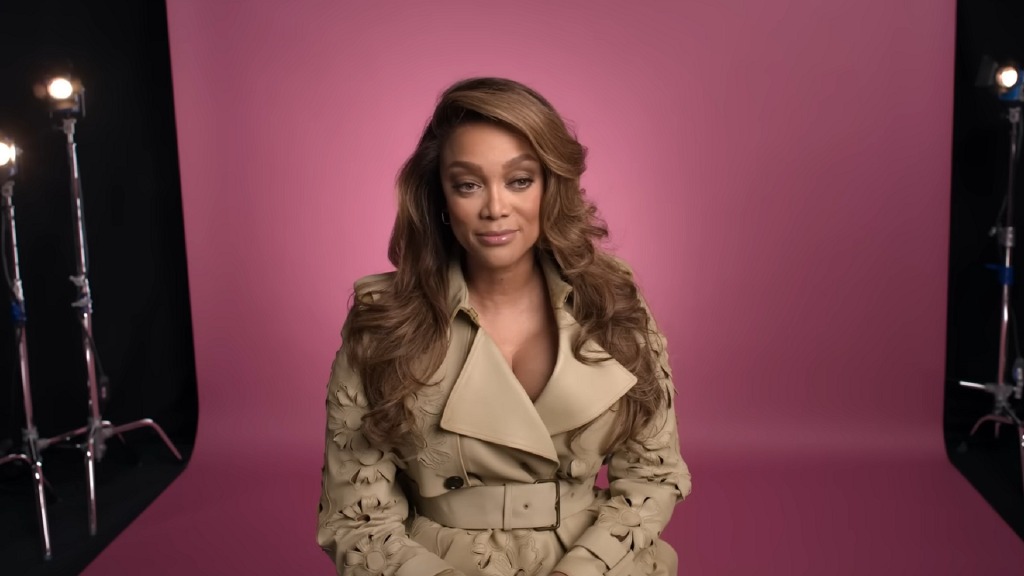
Tyra Banks filed suit against Netflix over the streamer's "America's Next Top Model" documentary "Reality Check," claiming producers deliberately edited her three-hour interview down to just 16 minutes to portray her negatively.
Banks contends that Netflix and the production company behind the docuseries misrepresented her comments and manipulated footage to construct a false narrative about her role in the show's culture and controversial moments. The lawsuit centers on editorial choices that Banks argues amounted to defamation, stemming from how her extensive remarks were condensed and recontextualized in the final cut.
"Reality Check," which premiered on Netflix in 2022, examined the legacy of the long-running modeling competition series through interviews with former contestants, judges, and crew members. The documentary sparked renewed conversation about workplace dynamics on the show, including allegations about Banks' management style and the show's handling of contestants' mental health and body image issues.
Banks has previously acknowledged some missteps during the series' 24-season run but maintains that the editing choices in Netflix's version distorted her perspective. The suit suggests a fundamental disagreement over how documentary subjects should be represented when their interviews get significantly condensed.
This litigation reflects broader tensions in documentary filmmaking between editorial control and subject representation. Netflix and similar platforms have faced increased scrutiny over how they frame narratives, particularly when dealing with complex figures and cultural reckoning projects. Banks' legal action raises questions about editorial responsibility when trimming hours-long interviews into brief soundbites for documentary purposes.
The case carries implications for how streaming platforms approach prestige documentaries examining entertainment industry controversies. As the docuseries landscape continues booming on Netflix, Apple TV+, and competitors, questions around fair representation of interviewed subjects remain contested terrain between filmmakers' storytelling prerogatives and participants' concerns about being mischaracterized.