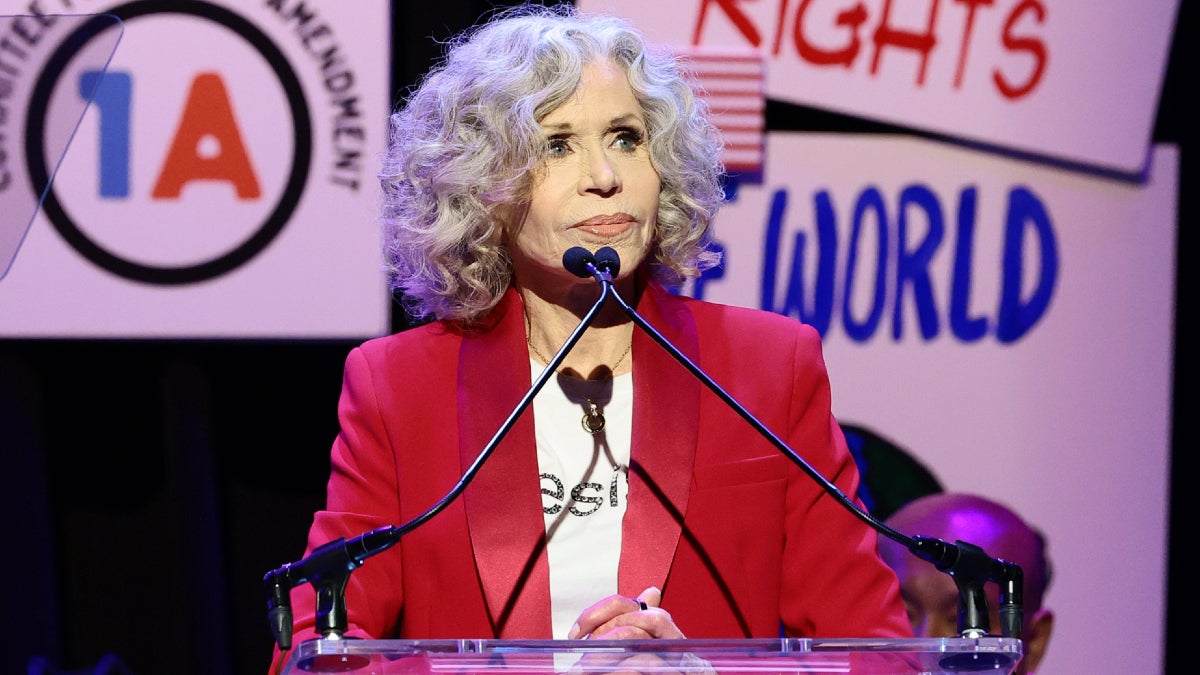
Jane Fonda has publicly denounced a potential merger between Paramount and Warner Bros, calling it a direct attack on free speech. The two-time Academy Award winner cited her personal connection to CNN, the news network founded by Ted Turner, as a motivating factor in her opposition.
Fonda's statement reflects broader concerns within Hollywood about media consolidation. A Paramount-Warner Bros combination would create one of the largest entertainment and media conglomerates globally, controlling vast swaths of film, television, streaming, and news distribution. The merger threatens to concentrate editorial power in fewer hands, limiting diverse voices and independent programming.
The actress invoked CNN's legacy as a Turner-era institution built on journalistic independence. Her worry centers on how consolidated corporations prioritize profit margins over editorial integrity and public discourse. News divisions become vulnerable when absorbed into larger entertainment entities focused on maximizing shareholder value.
This merger would reshape the entire media landscape. Warner Bros Discovery already owns HBO Max and numerous cable networks. Adding Paramount's assets (CBS, MTV Networks, Pluto TV, and Paramount+) would give the combined entity unprecedented control over content creation, distribution, and news dissemination. Such concentration limits competition and reduces opportunities for alternative viewpoints to reach mainstream audiences.
Fonda's activism reflects her long history of using her platform for political advocacy. From Vietnam War protests in the 1960s to climate activism in recent years, she has consistently challenged corporate and governmental power structures. Her CNN concern aligns with this trajectory, positioning the merger as a threat to democratic media institutions.
The entertainment industry faces mounting scrutiny over consolidation. Streaming wars have accelerated these discussions, forcing legacy studios like Paramount to consider mergers for survival. Yet each combination raises stakes for independent creators, smaller networks, and news organizations fighting to maintain editorial control. Fonda's protest joins growing voices questioning whether scale and efficiency justify the loss of