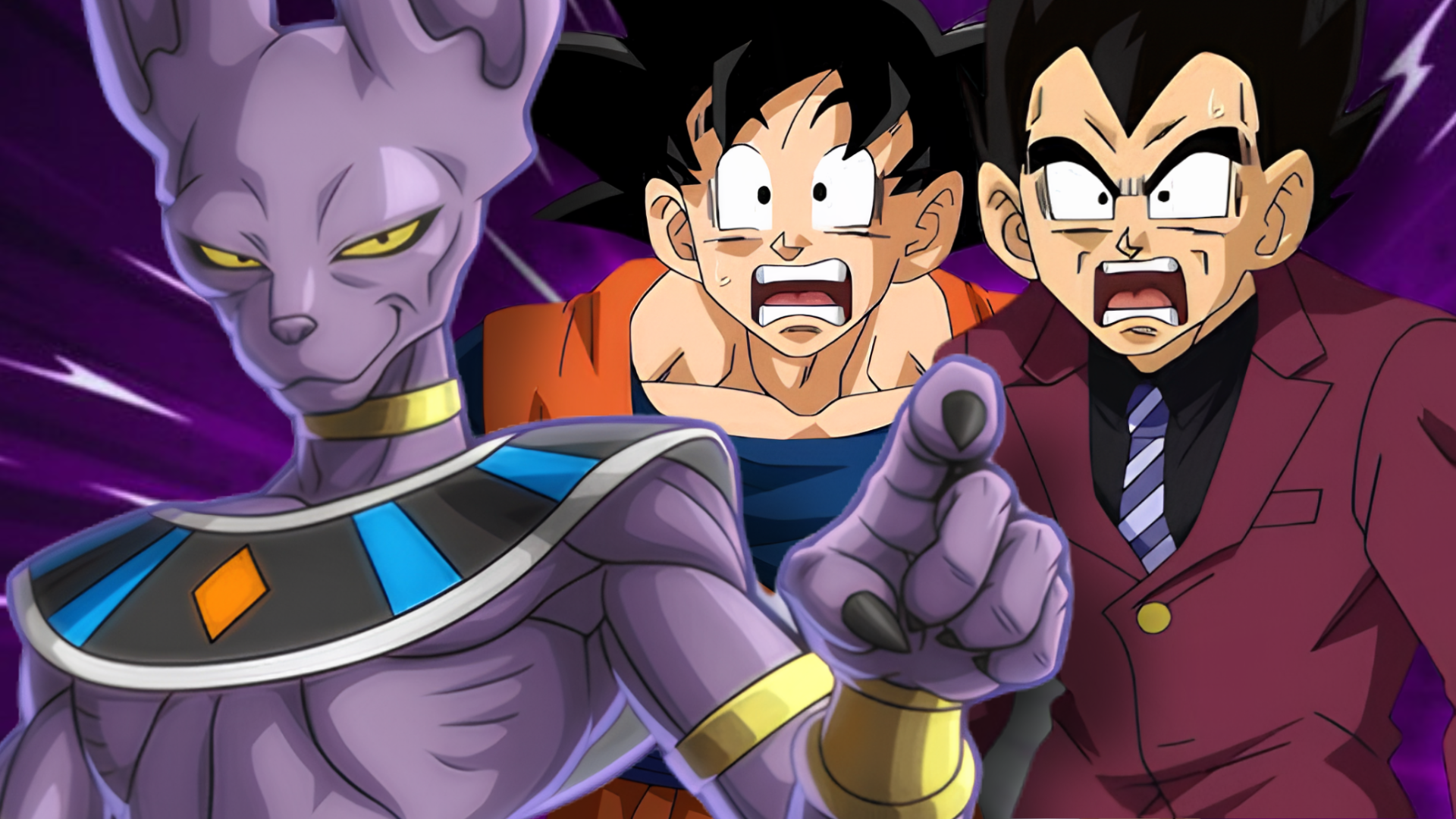
Broly emerges as the frontrunner to inherit Beerus' role as God of Destruction in the Dragon Ball franchise, surpassing even Vegeta despite the Prince of all Saiyans' rigorous training under Whis. The theory gains traction as fans analyze the narrative trajectory of Akira Toriyama's extended universe.
Vegeta's candidacy, while seemingly logical given his royal status and direct mentorship from Beerus' attendant, faces serious complications. His deep-seated pride and competitive obsession with Goku create fundamental character conflicts that undermine his suitability for the role. A God of Destruction requires detachment and cosmic perspective. Vegeta's psychology runs counter to these demands.
Broly presents a different profile entirely. His raw power output consistently demonstrates godlike capability, especially post-resurrection in recent films. More tellingly, Broly's character arc shows evolution toward redemption and control. His destructive impulses, once uncontrollable and chaotic, now respond to direction and discipline. This trajectory positions him as someone capable of channeling destruction as cosmic function rather than personal vendetta.
The narrative structure favors Broly's ascension. Toriyama established that Gods of Destruction aren't born to the role through bloodline or achievement alone. They're selected based on temperament and cosmic compatibility. Broly's power levels rival Ultra Instinct, and his demon-like strength suggests extraterrestrial origins that might align with divine selection criteria.
Beerus himself has shown measured respect toward Broly in recent canon material, a subtle indicator of recognition. Meanwhile, his relationship with Vegeta remains fundamentally adversarial. Beerus derives entertainment from testing Vegeta's limits, not grooming him for succession.
The shift also solves franchise storytelling problems.