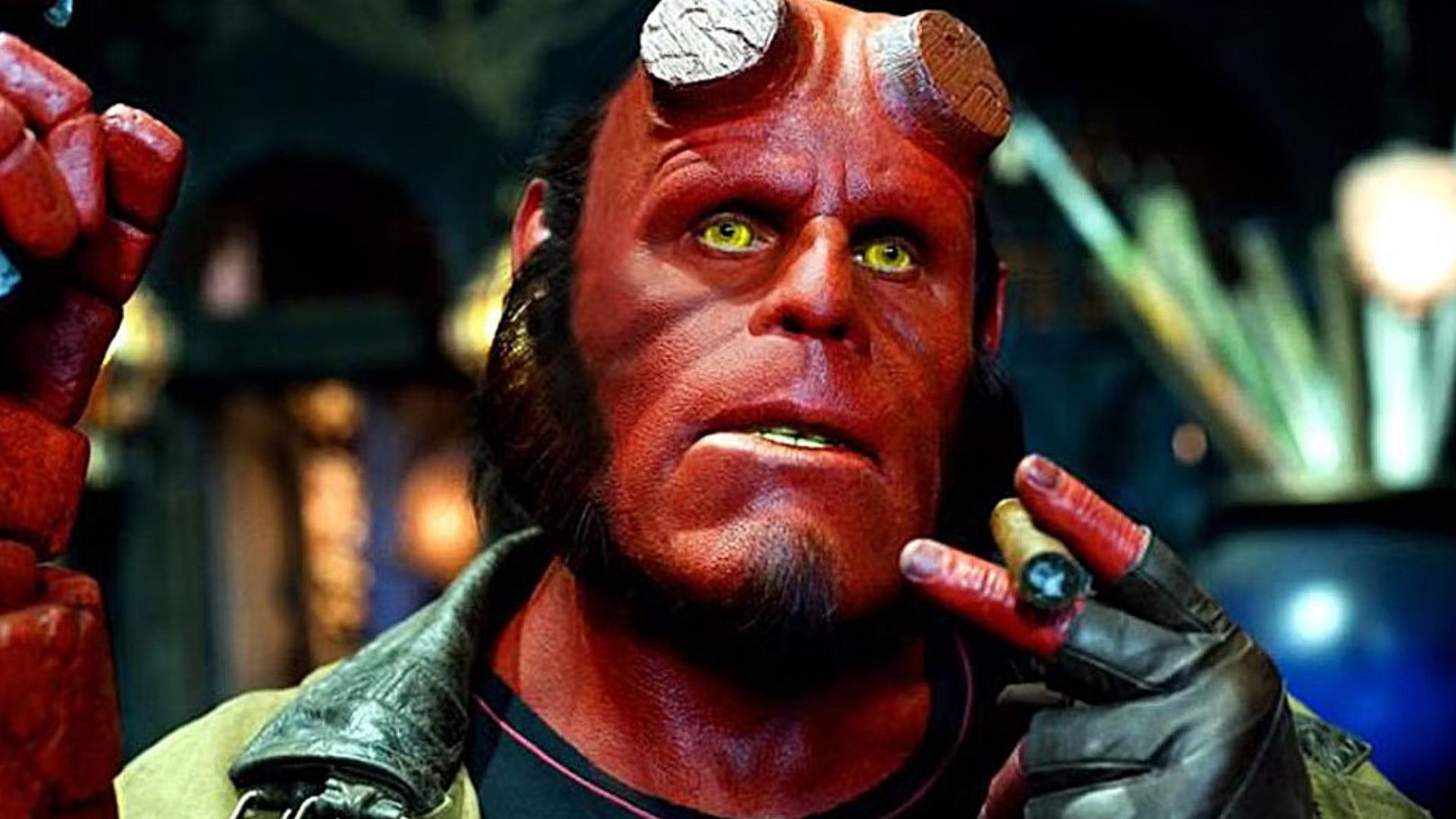
Hellboy fans are getting their definitive era back. The demonic superhero returns this fall in a two-part revival that resurrects what many considered the franchise's peak period after a decade away from the screen.
The original Guillermo del Toro films starring Ron Perlman remain the gold standard for Hellboy adaptations. Those early-2000s entries captured the character's blend of supernatural horror, dark humor, and genuine pathos in ways subsequent versions struggled to replicate. Del Toro's visual sensibility transformed Mike Mignola's comic-book creation into a genuinely cinematic experience that transcended genre expectations.
The franchise hit turbulence following del Toro's exits. Neil Marshall's 2019 reboot attempted a grittier, more action-heavy approach but failed to connect with audiences or critics. That misfire seemed to cement Hellboy's exile from theaters, leaving devotees convinced the character's theatrical window had closed permanently.
This revival signals confidence that audiences remain invested in the character when handled correctly. Two-part structures offer studios breathing room for world-building and character development that single films often sacrifice. The format also mirrors how prestige television has reshaped audience expectations around serialized storytelling.
The timing matters too. Superhero fatigue remains real, but nostalgia for early-2000s genre cinema has become a legitimate box office driver. Audiences proven receptive to horror-adjacent IP shepherded by filmmakers who understand tone and texture. Del Toro's influence on modern fantasy cinema is undeniable. His fingerprints appear everywhere from Pan's Labyrinth's visual grammar to contemporary creature design.
What remains crucial is creative stewardship. Hellboy demands more than superhero mechanics. The character works because he's fundamentally conflicted, caught between demonic inheritance and human morality. He cracks