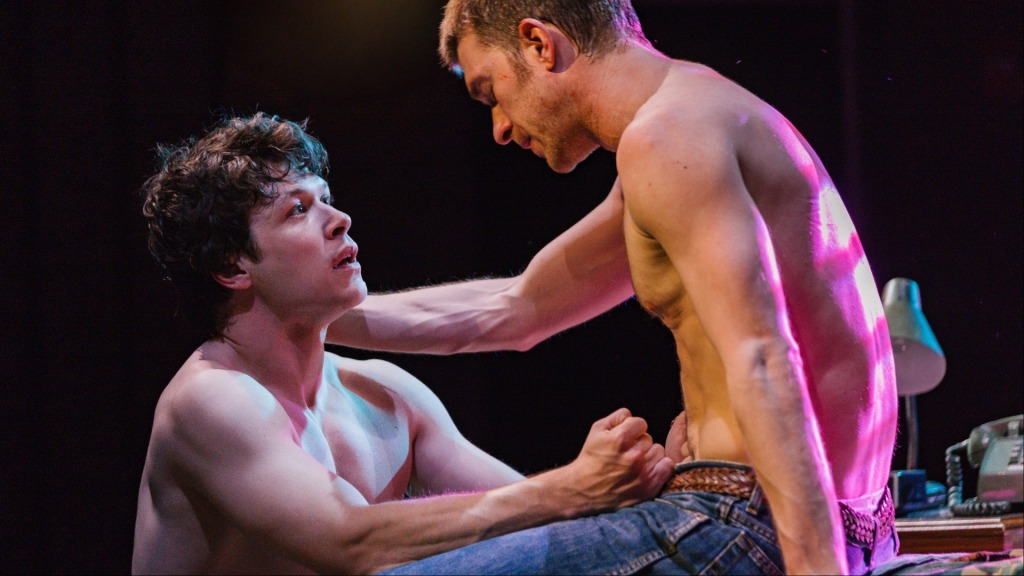
Ang Lee's "Brokeback Mountain" returns to stages this Pride Month with a fresh theatrical adaptation featuring Harrison Ball and Jack Cameron Kay as the iconic star-crossed cowboys. The 2005 film, which became a cultural watershed moment for LGBTQ+ representation in mainstream cinema, now translates to live theater.
The stage version captures the intimacy and tragedy of Annie Proulx's original short story in a new register. Theater offers distinct advantages over film for this material. Audiences experience the characters' emotional vulnerability in real time, with nothing between performers and spectators but air and light. The casting of Ball and Kay signals a commitment to bringing new depth to roles cemented by Heath Ledger and Jake Gyllenhaal's career-defining performances.
Staging "Brokeback Mountain" during Pride carries symbolic weight. The narrative explores desire, suppression, and longing across decades of American history. For queer audiences, the story represents both trauma and recognition. The film arrived when mainstream cinema rarely centered gay relationships with such gravity and sexual honesty. Ledger's performance became an acting masterclass in conveying internal conflict through restraint.
The theatrical adaptation strips away cinematic landscapes and Wyoming vistas, replacing them with the theatrical tools of staging, lighting, and performance proximity. This choice forces different storytelling mechanics. Actors carry the narrative burden more directly. The Wyoming settings materialize through language and imagination rather than cinematography.
Theater also allows for fresh interpretations. Ball and Kay bring their own interpretations to characters shaped by a generation of viewers' expectations. Stage productions of canonical modern works often challenge film's authority over how we understand these stories.
The timing reflects theater's reclamation of queer narratives during Pride celebrations. Major productions increasingly program LGBTQ+-centered work beyond token inclusion, recognizing both artistic merit and audience hunger. "Brokeback Mountain"