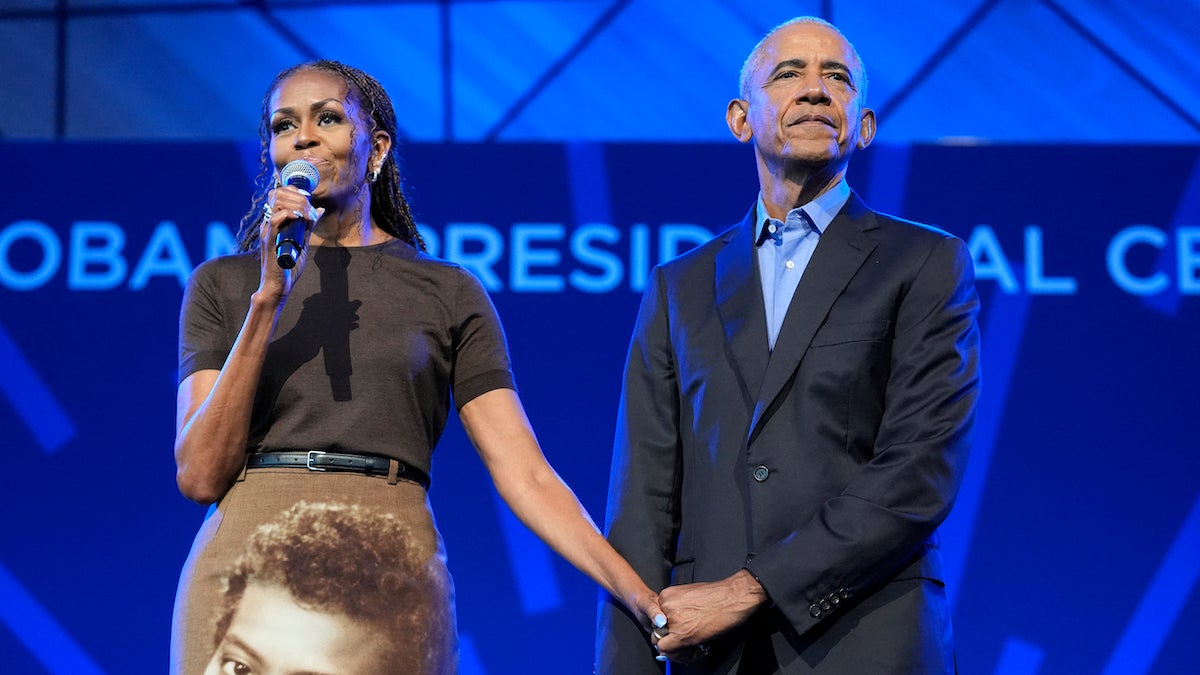
The Obama Presidential Center officially opened in Chicago with a star-studded ceremony drawing celebrities, politicians, and world leaders to celebrate the former president's legacy. Barack Obama addressed the crowd with a message about civic engagement, telling attendees "here you can do more than reflect on change, you can become it." Michelle Obama joined her husband for the milestone event on their home turf.
The opening ceremony transformed into a cultural moment, with famous guests mixing alongside international dignitaries in a celebration of the Obama presidency and its broader impact on American politics and culture. The setting in Chicago underscores the Obamas' deep ties to the city, where Barack built his political career before ascending to the White House.
The presidential center functions as more than a museum or archive. It serves as a living institution designed to inspire activism and civic participation, positioning the space as a platform for future change rather than mere historical reflection. This approach reflects how the Obamas have continued to position themselves in public life since leaving office, focusing on youth engagement and democratic participation through their higher Ed initiatives and media ventures.
The gathering itself carried entertainment industry weight alongside political significance. A-list attendees and world leaders mingled in what became a carefully orchestrated moment of soft power and cultural relevance. The Obamas have maintained visibility through various channels including their Netflix deal, which produced the documentary "American Factory," winning an Academy Award. This presidential center opening extends their brand into the physical world, creating an anchor for their post-White House influence.
The Chicago location matters strategically. It roots the Obamas' legacy in the Midwest heartland rather than coastal power centers, reinforcing their connection to working America. The event's emphasis on action over nostalgia positions the center as forward-looking rather than backward-gazing, appealing to younger audiences invested in contemporary activism and social change rather than presidential history buffs alone.