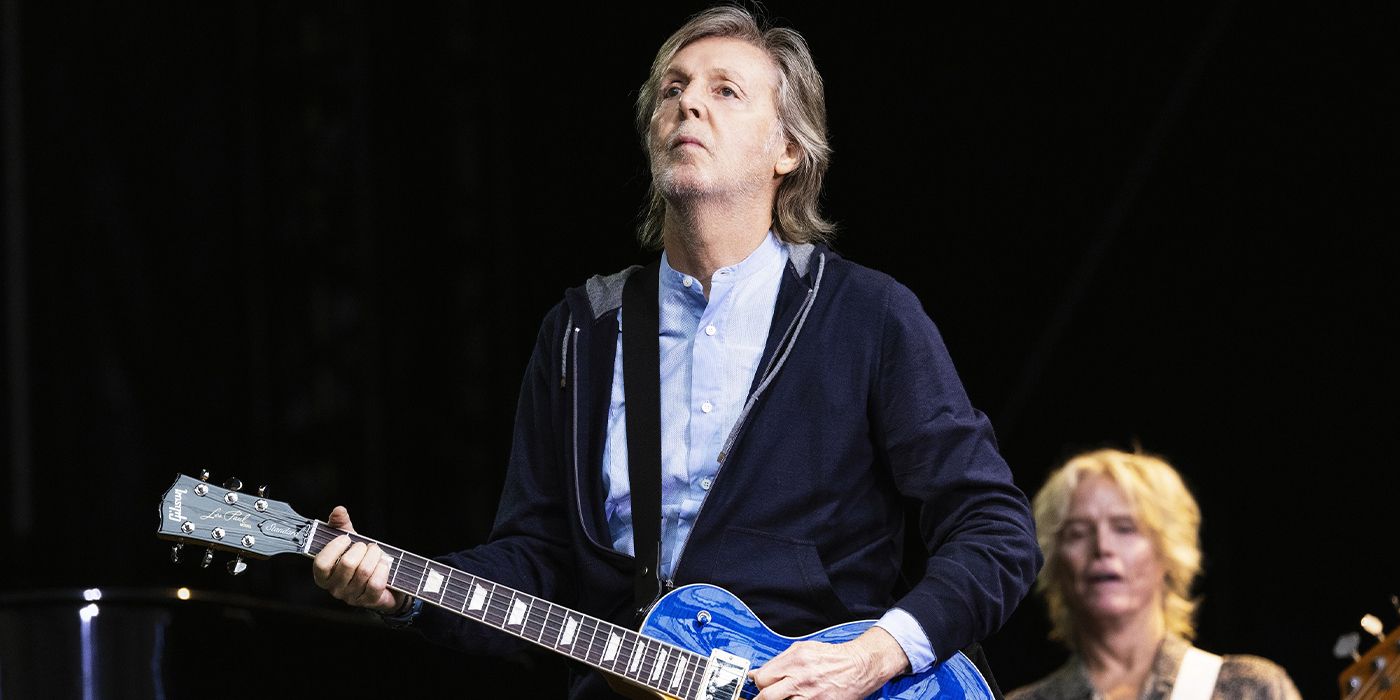
Paul McCartney continues to defy age expectations at 84, delivering chart-topping albums and commanding sold-out stadium tours that prove The Beatles legend shows no signs of slowing down. The former bassist and vocalist remains one of music's most prolific artists, consistently releasing new material that resonates with both longtime fans and younger audiences discovering his catalog for the first time.
McCartney's recent output demonstrates remarkable creative vitality. He balances solo projects with occasional collaborations, maintaining relevance across decades by refusing to rest on his legendary past. His live performances pack arenas worldwide, with fans spanning multiple generations eager to witness his command of the stage. The musicianship remains sharp, his songwriting instincts undiminished by time.
What sets McCartney apart from his contemporaries is his refusal to become a nostalgia act. While he celebrates The Beatles' transformative legacy, his recent work pushes forward rather than backward. His ability to evolve while maintaining the melodic sensibility that made him a songwriting titan in the 1960s keeps critics and audiences engaged.
At an age when most artists have retired, McCartney treats longevity as both blessing and responsibility. He understands his position as a living link to rock and roll's golden age, yet refuses to be imprisoned by that history. The combination of critical acclaim and commercial success at this stage of life remains exceptionally rare.
McCartney's sustained relevance offers a roadmap for aging artists: stay creative, stay touring, stay engaged with current technology and production methods. He proves that legacy and innovation need not conflict. For the music industry, his continued productivity serves as a reminder that artistry transcends age brackets. At 84, Paul McCartney stands as proof that the best artists never truly retire, they simply evolve.