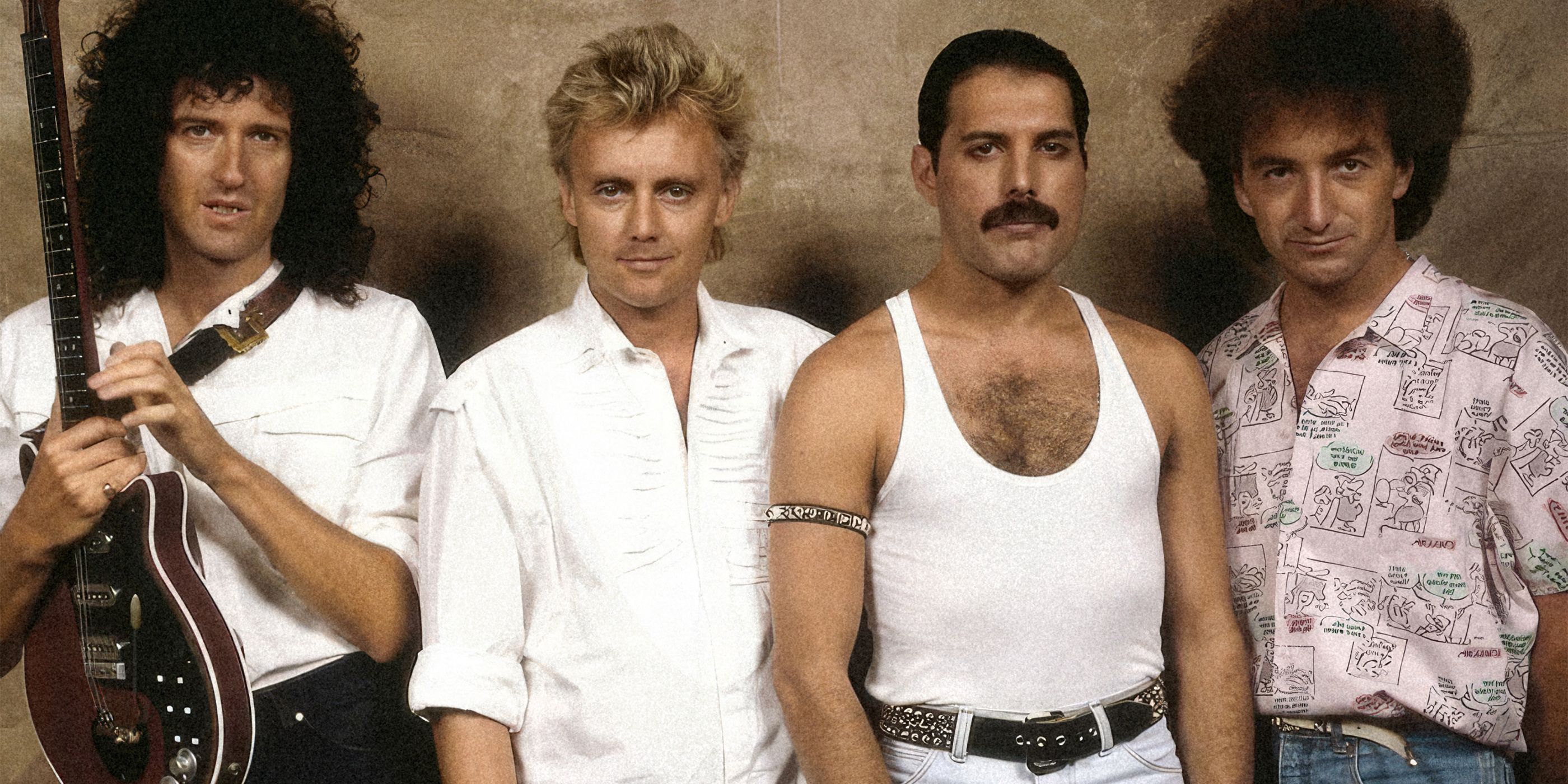
Queen's 1985 Live Aid performance stands as rock's most legendary 20 minutes, but the event itself was stacked with acts that have faded from collective memory. The charity concert featured Led Zeppelin, Black Sabbath, David Bowie, and dozens of other titans across two stadiums and broadcast to two billion viewers worldwide.
Queen's slot became the gold standard for festival performances, largely because Freddie Mercury commanded the stage with unmatched charisma and the band delivered a tightly wound setlist that built momentum perfectly. Their performance transcended the Live Aid moment and entered cultural mythology, especially after the 2018 biopic "Bohemian Rhapsody" introduced Queen to new generations.
But Live Aid was never about one act. Bob Geldof and Midge Ure organized the dual-venue extravaganza to raise money for the Ethiopian famine crisis, and the lineup represented rock royalty at peak visibility. Led Zeppelin reunited for the first time in years. Black Sabbath performed together. Bowie switched gears to collaborate with Mick Jagger on "Dancing in the Streets." Phil Collins actually played both venues on the same day, drumming for Genesis at Wembley Stadium in London before flying to Philadelphia to perform with Journey and Sting.
The event captured a specific moment in 1985 when MTV dominated culture, stadium rock ruled radio, and superstar collaboration felt fresh rather than routine. Yet most of those other performances have receded into clips people occasionally discover on YouTube. Queen's set became the cultural touchstone, overshadowing the entire concert's historical importance.
This disconnect reveals something about how we remember live music. One transcendent performance can eclipse dozens of equally impressive ones, especially when backed by a successful narrative like "Bohemian Rhapsody." Live Aid mattered because it