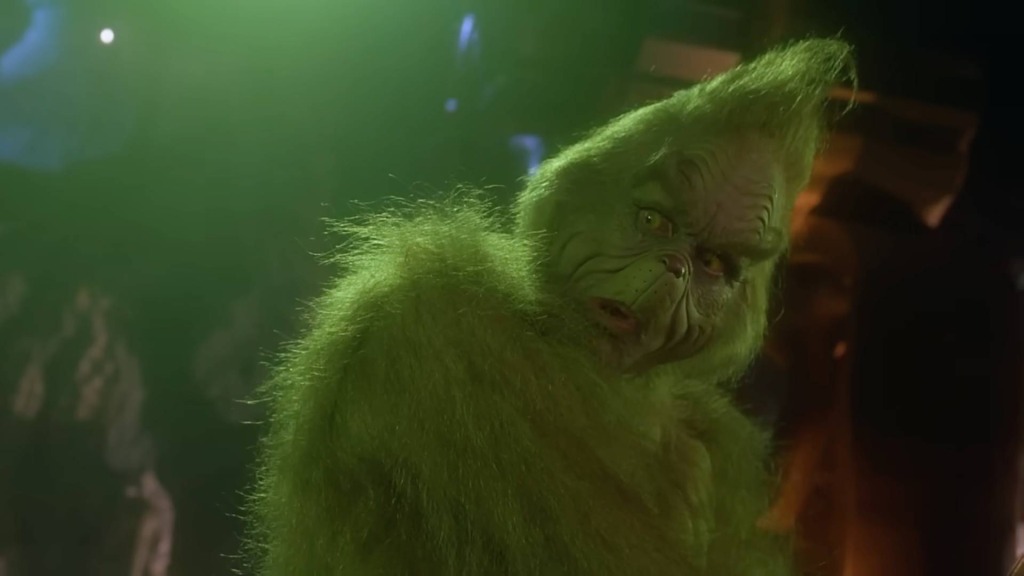
Jim Carrey faces a creative paradox as he returns to play the Grinch in a sequel, despite his well-documented reservations about the role. The actor previously endured grueling makeup sessions for Ron Howard's 2000 live-action adaptation of "The Grinch," describing the experience as "torturous" due to the hours-long prosthetic application required daily on set.
The timing of this sequel announcement reflects a broader industry trend. Carrey's career trajectory has shifted significantly since the 1990s and 2000s, when he dominated comedies like "Ace Ventura," "The Mask," and "Dumb and Dumber." His pivot toward dramatic roles in films such as "The Truman Show" and "Eternal Sunshine of the Spotless Mind" earned him critical respect but limited box office pull compared to his earlier work.
The original "The Grinch" grossed over $345 million worldwide despite mixed reviews, making it a valuable IP asset for studios. With franchises now driving Hollywood economics, the property's commercial viability outweighs actor comfort. The fact that Carrey's character already experienced redemption and learned the meaning of Christmas in the 2000 film only underscores the creative hollowness of revisiting this story.
For Carrey, this sequel represents a kind of creative reappraisal. As his dramatic work ages and streaming platforms reshape prestige television, studios increasingly look backward to his bankable IP rather than forward to original projects. The actor's influence on comedy remains undeniable, but his star power no longer guarantees greenlit vehicles from major studios unless they carry pre-existing franchise weight.
The Grinch sequel exemplifies how nostalgia economics can override artistic judgment. Carrey built his legacy on physical comedy and transformative performances,