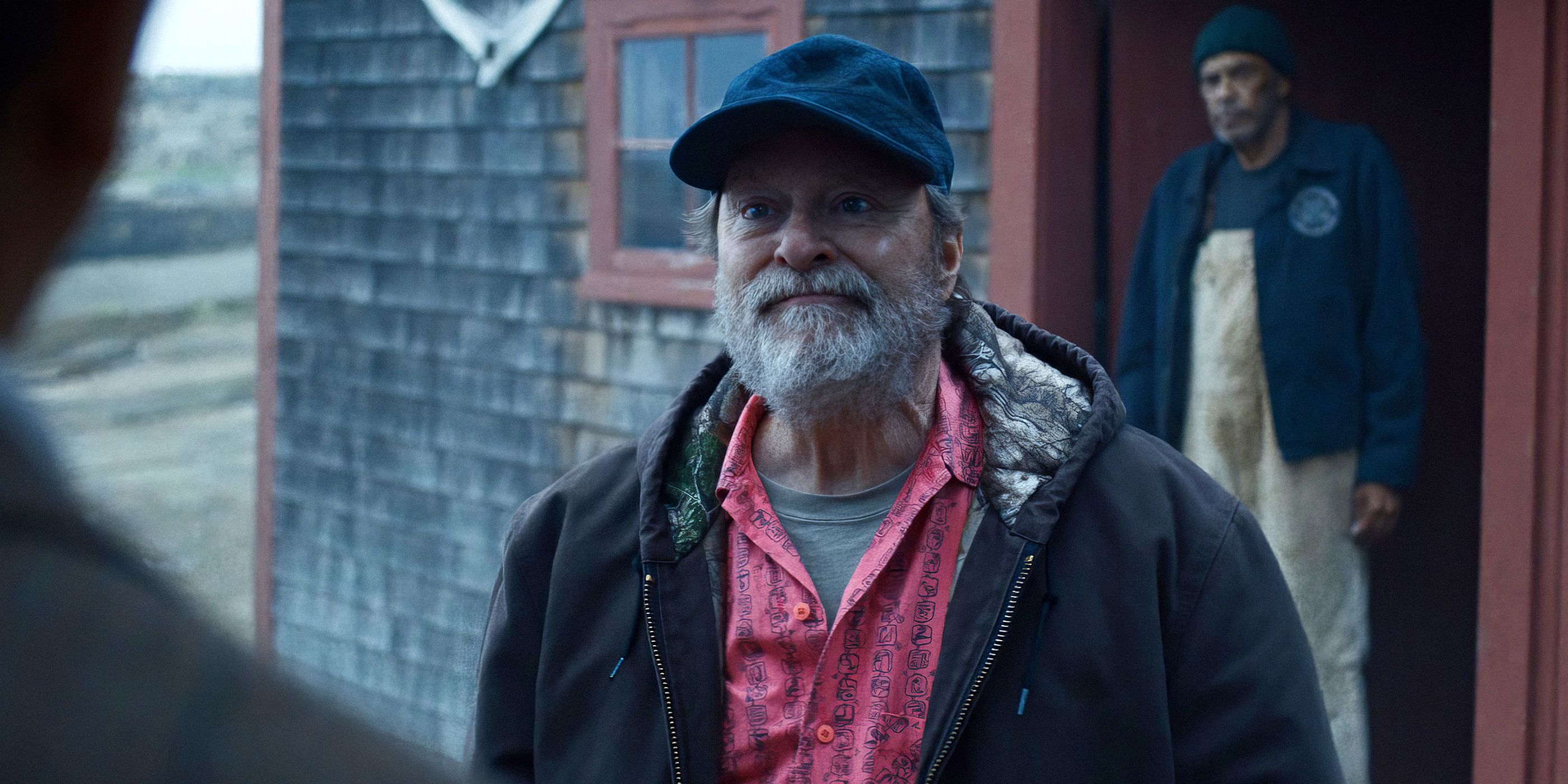
"Widow's Bay" wrapped its debut season with enough loose threads to justify a second run, leaving audiences with nine unresolved mysteries that will presumably unfold when the show returns. The cursed-town drama established its mythology thoroughly enough to satisfy viewers while strategically dangling plot hooks that demand continuation.
The show leans into classic prestige television storytelling, mining the same atmospheric dread that made "Twin Peaks" and "Yellowjackets" cultural touchstones. By season's end, the writers have revealed core secrets about the town's supernatural curse while introducing fresh enigmas tied to character relationships, hidden histories, and unexplained phenomena that anchor the central mystery.
This approach reflects current streaming and cable strategies. Networks no longer cancel shows based on singular episodes but instead evaluate whether a series generates sustained audience engagement and critical buzz across its full run. "Widow's Bay" appears to have cleared that bar, offering enough resolution to feel complete while preserving narrative momentum.
The nine mysteries signal that showrunners understand their audience expects payoff without closure. Viewers of prestige dramas now demand serialized storytelling that respects their time investment while maintaining the puzzle-box appeal that keeps them theorizing between seasons. Platforms betting on this format have seen success with shows like "Dark" and "The OA," which built passionate fanbases around their complex, interconnected mysteries.
The strategy carries risk. Overloading second seasons with new mysteries while abandoning established questions frustrates audiences and tanks critical reception. Successful returns balance answering Season 1 questions with introducing fresh complications that feel organic rather than arbitrary.
"Widow's Bay" enters Season 2 with clear advantages. The curse framework provides structural coherence, preventing the show from devolving into random plot twists. The cast and creative team have built viewer trust through the first season, granting them latitude to expand their