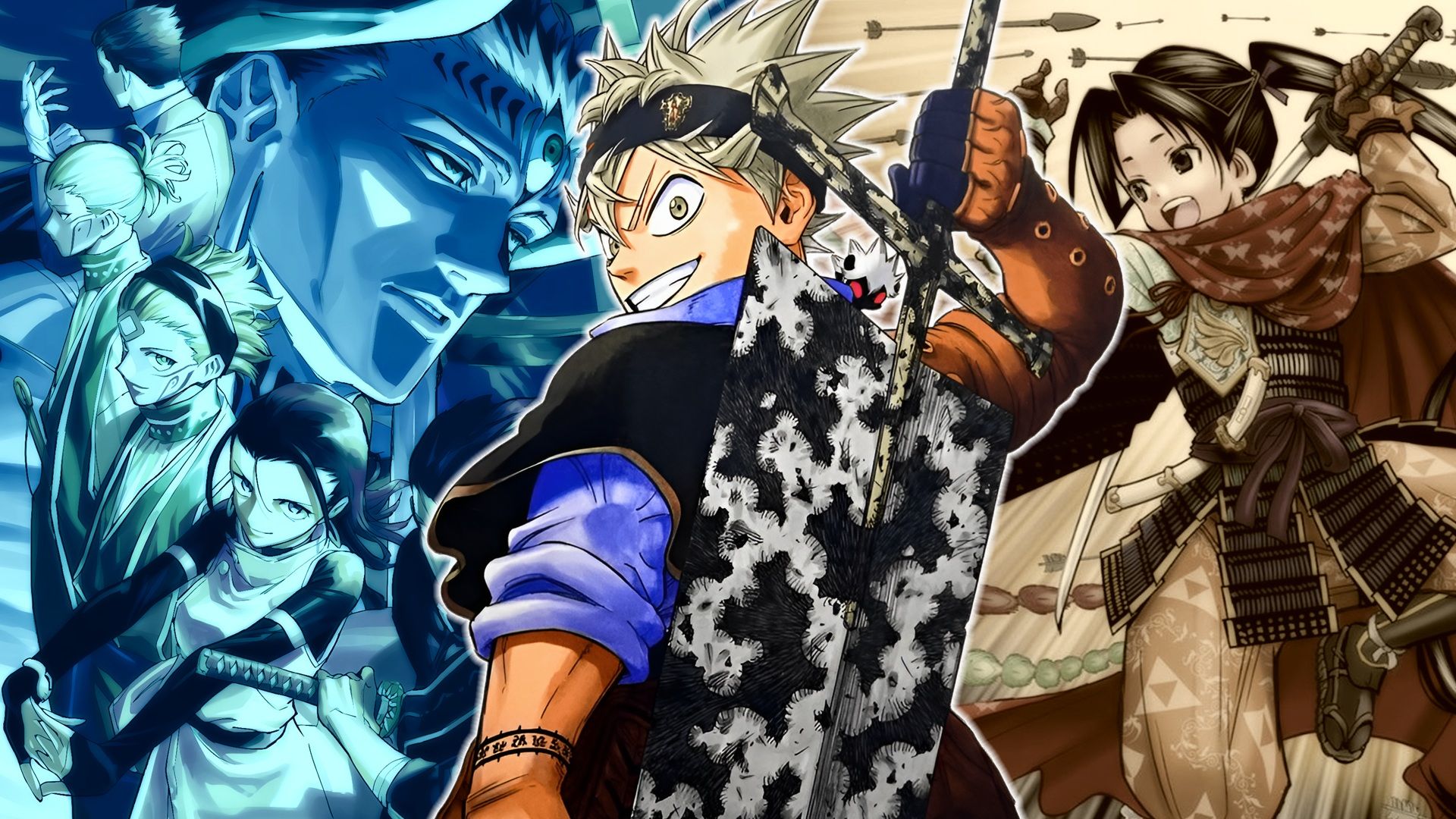
The manga industry faces a watershed moment in 2026 as fourteen major series are wrapping up or expected to conclude, reshaping the long-running titles that have dominated publishers' catalogs and reader loyalty for years.
This mass conclusion affects both legendary franchises and contemporary hits that have generated billions in merchandise and adaptation revenue across anime, live-action films, and video games. The departures signal a natural lifecycle for these properties. Manga serialization cycles often run a decade or longer, and creators frequently choose defined endpoints rather than indefinite continuations that dilute narrative impact.
The timing reflects broader industry trends. Publishers like Shonen Jump, Shonen Magazine, and others manage portfolio rotations to introduce fresh talent and properties. When marquee titles end, editorial teams redirect momentum toward emerging series with strong reader engagement metrics. This cycle has historically proven healthy for the industry, preventing creative fatigue while maintaining reader investment across multiple generations.
The specific franchises concluding in 2026 represent varied genres and demographics. Some target the core shonen demographic (young male readers) while others skew toward seinen (adult male) or josei (adult female) audiences. Their endings create space for new intellectual properties to capture serialization slots and develop their own loyal fanbases.
Industry observers note that manga endings rarely mean franchise death. Many properties transition into dormant periods before returning through spin-offs, prequels, or reboots. The anime adaptation boom of recent years has conditioned audiences to follow characters across multiple media formats, so manga conclusions often precede expanded universe storytelling elsewhere.
Publishers benefit financially from series conclusions. Final volumes typically spike in sales as readers complete collections. Merchandisers capitalize on nostalgic retrospectives and anniversary products. Streaming platforms acquire adaptation rights for dormant properties, monetizing legacy properties for international audiences.
The 2026 timeline suggests coordinated planning across publishing houses. Multiple series