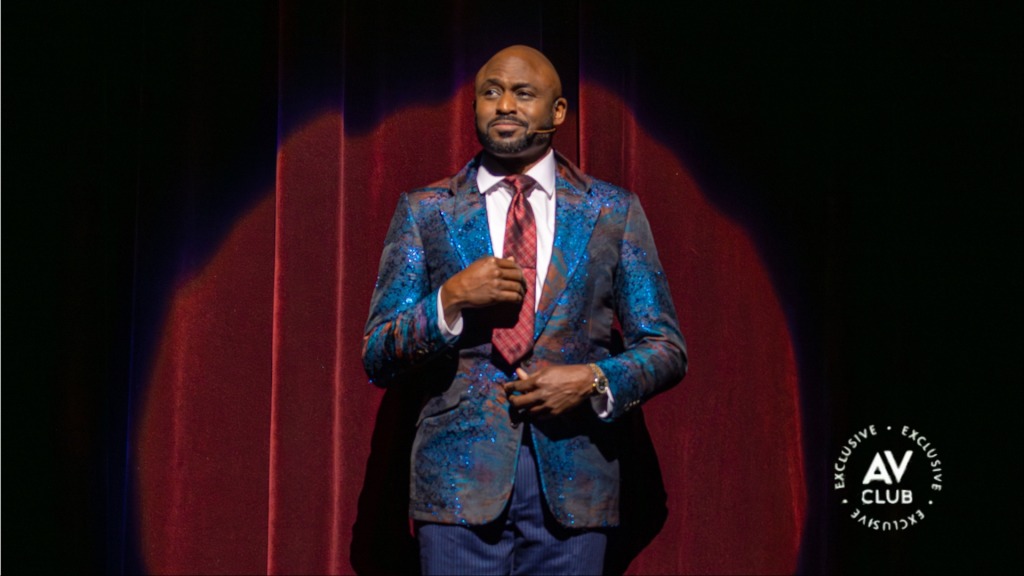
Wayne Brady defends Harvey Fierstein's original book for "La Cage Aux Folles" against calls for a complete reimagining, arguing the material remains relevant and effective even as the current New York City Center production features an all-Black cast.
The musical, which centers on a gay nightclub owner and his long-term partner navigating family and societal pressures, premiered in 1983 with Fierstein's Tony-winning book. Brady, who stars in the revival, contends that Fierstein's script contains enough structural strength and thematic depth to transcend a simple recasting. The show's exploration of found family, authentic identity, and acceptance operates on universal principles that don't require wholesale narrative overhauls.
By casting Black performers in the lead roles and throughout the ensemble, the production refreshes the story's cultural context without abandoning Fierstein's foundational text. This approach allows the material to speak across different communities while preserving what made the original work theatrically sound.
Brady's perspective pushes back against a broader trend in musical theater where revivals often commission entirely new books or heavy adaptations. Instead, he suggests that thoughtful casting choices and directorial vision can authentically represent diverse perspectives without erasing the original creator's voice. The all-Black production at NYC Center becomes an act of reclamation rather than replacement.
The revival comes at a moment when Broadway actively seeks to expand representations of LGBTQ stories and Black artists in leading roles. "La Cage Aux Folles" remains one of theater's landmark queer narratives, and this production demonstrates that classic texts can evolve through interpretation rather than wholesale reconstruction. Brady's stance ultimately champions both respect for theatrical legacy and the power of inclusive casting to generate new meaning from established work.