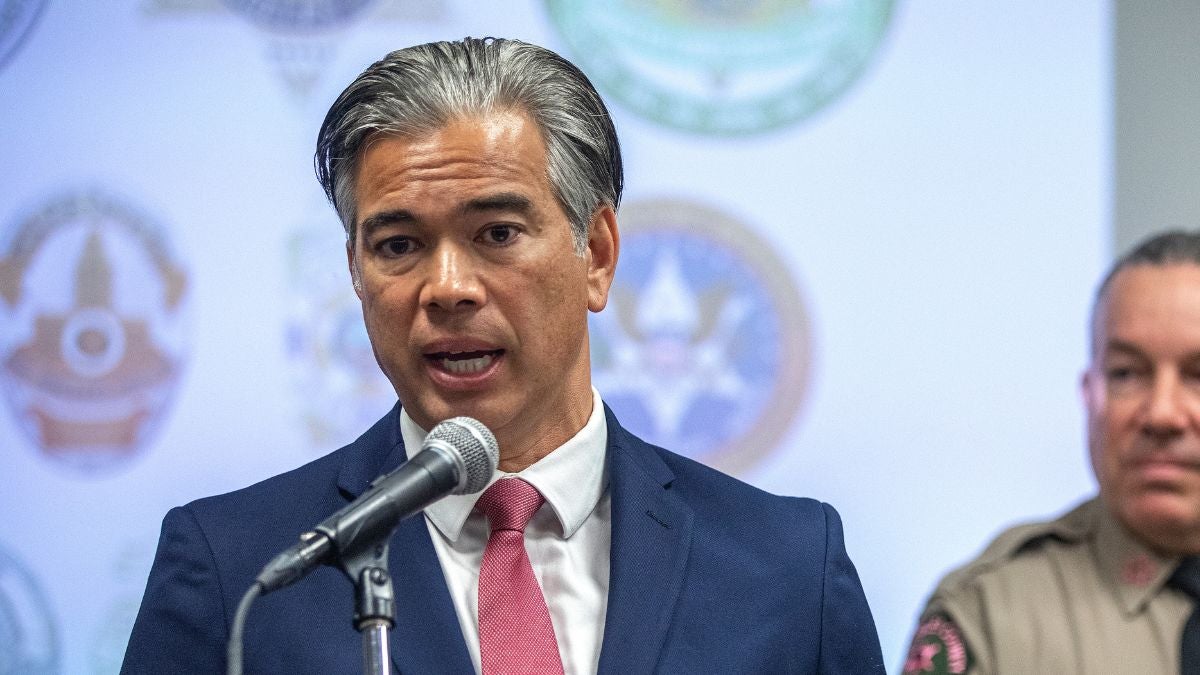
California Attorney General Rob Bonta pushed back against reports claiming he pressured Paramount Global to divest CNN following the media conglomerate's acquisition of the Warner Bros. Discovery cable news outlet. In an appearance on MSNBC's "Morning Joe," Bonta acknowledged concerns about media consolidation without confirming he actively lobbied Paramount executives on the matter.
"We have to be concerned about that. We're not naive. We see what's happening in the world," Bonta told anchor Jacob Soboroff, addressing broader anxieties about news network ownership concentration.
The comments arrive amid heightened scrutiny over Paramount's ownership structure after its acquisition deal with Warner Bros. Discovery completed earlier this year. The transaction gave Paramount control of CNN, raising questions about editorial independence and media plurality in an increasingly consolidated broadcasting landscape.
Bonta's carefully worded response suggests California's top law enforcement official recognizes the political sensitivity around the issue without directly engaging with claims that his office initiated conversations with Paramount leadership. The AG's office has not filed formal legal challenges to the merger, though California previously intervened in other high-profile media and tech consolidation cases.
The situation reflects broader concerns from Democratic policymakers and media watchdogs about media ownership concentration. As streaming platforms and traditional broadcasters consolidate, antitrust enforcement and state-level regulatory pressure have intensified. California's AG typically leads such efforts, leveraging the state's market size and political influence.
Paramount's integration of CNN into its portfolio remains controversial among journalists and media observers who worry about reduced editorial oversight. The network operates under strict journalistic guidelines, but ownership changes typically prompt concerns about interference or direction from corporate parent companies.
Bonta's measured approach suggests California may monitor the situation without direct intervention, at least publicly. The distinction matters: acknowledging concerns validates media consolidation worries without committing to legal action that could face