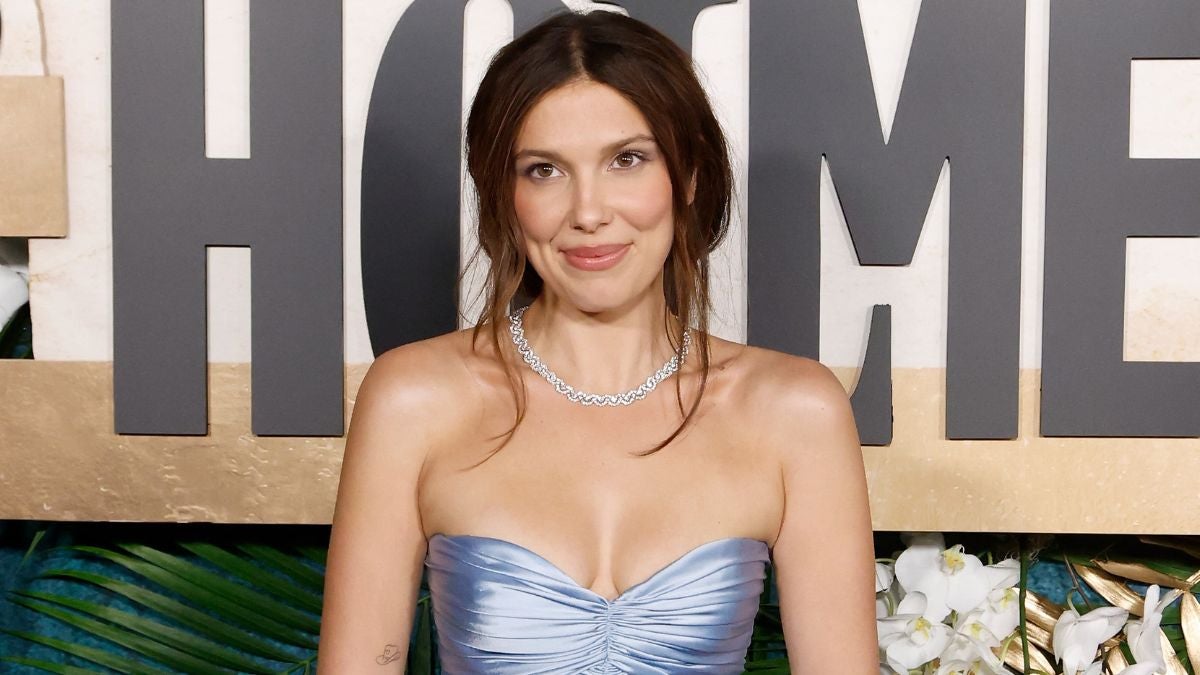
Millie Bobby Brown attributes her difficulty connecting with peers to an unconventional childhood shaped by professional filmmaking. The "Stranger Things" star, who launched her career as a child actor, grew up surrounded by adult crew members on set rather than other kids her age.
Brown explained that this environment forced premature maturity. She absorbed adult conversations and industry talk instead of engaging in typical childhood discussions. That cultural gap persists today, making it harder for her to relate to people in her own age bracket.
This dynamic reflects a broader challenge child actors face. Early careers in film and television isolate young performers from normative social development. Sets operate on adult schedules and rhythms. Conversations revolve around production logistics, performance notes, and professional concerns. Child actors miss peer bonding, school dynamics, and the informal social learning that shapes how teenagers connect.
Brown's honesty about this struggle resonates with other former child stars who've publicly discussed similar isolation. The entertainment industry has long grappled with how to protect young talent while acknowledging the professional demands that pull them away from traditional adolescence.
For Brown specifically, her role as Eleven in the Netflix hit required intense focus and constant presence. She entered the industry young and built a massive career spanning film, television, and producing. That trajectory meant missing out on experiences her peers took for granted.
Her candidness serves a purpose beyond personal reflection. It highlights systemic issues in how the industry treats child performers. While production standards exist, the social and developmental costs often go unaddressed. Brown's openness normalizes these conversations and potentially encourages better support systems for young talent entering the industry.
At 20 years old, Brown continues balancing acting with other ventures, including her production company and brand partnerships. Her willingness to discuss the downsides of early fame, rather than romanticizing it, provides perspective often missing from celebrity narratives.
CATEGORY