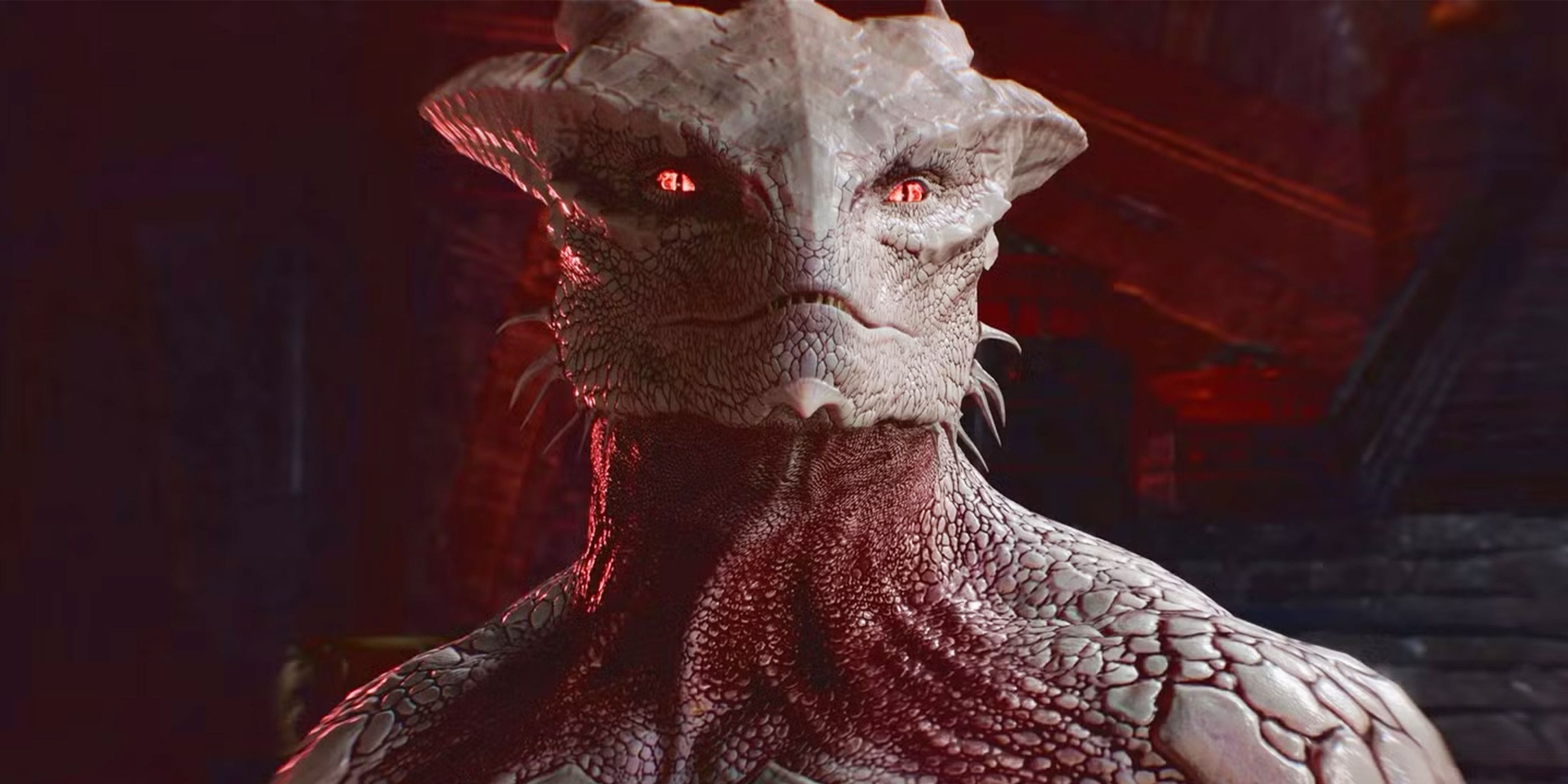
Larian Studios' "Baldur's Gate 3" offers multiple origin stories for players to experience, but the Dark Urge origin remains the least-played despite delivering the RPG's most narratively sophisticated content. The Dark Urge, a mysterious and tormented character origin, weaves throughout the entire campaign with consequences that reshape the game's narrative in ways that standard origins cannot match.
Players gravitating toward established Baldur's Gate lore or the game's default origin tend to overlook Dark Urge's psychological depth. The origin forces players into moral quandaries rooted in the character's cursed past, creating branching storylines that touch nearly every act and companion interaction. Unlike other origin options that function as entry points, Dark Urge transforms how NPCs respond to the protagonist and alters pivotal story beats.
The origin's complexity demands player engagement with Faerûnian lore and willingness to embrace an anti-heroic narrative arc. Many casual players never initiate a second playthrough, meaning they miss what narrative designers consider the game's most ambitious storytelling achievement. The Dark Urge also features some of the most striking dialogue options in the entire game, written to reflect the character's fractured psyche and buried memories.
This paradox mirrors broader gaming patterns. Players finish "Baldur's Gate 3" once and move on rather than exploring the systems Larian built specifically for replay value. The game's 200-plus hours of content means few dedicate time to alternative playstyles or origins once credits roll.
Industry observers note that narrative-driven RPGs increasingly struggle with player engagement on secondary content. "Baldur's Gate 3" sold 15 million copies, but completion rates for alternate storylines remain minimal. Larian's investment in Dark Urge's branching storytelling returns limited audience reach compared to its development cost