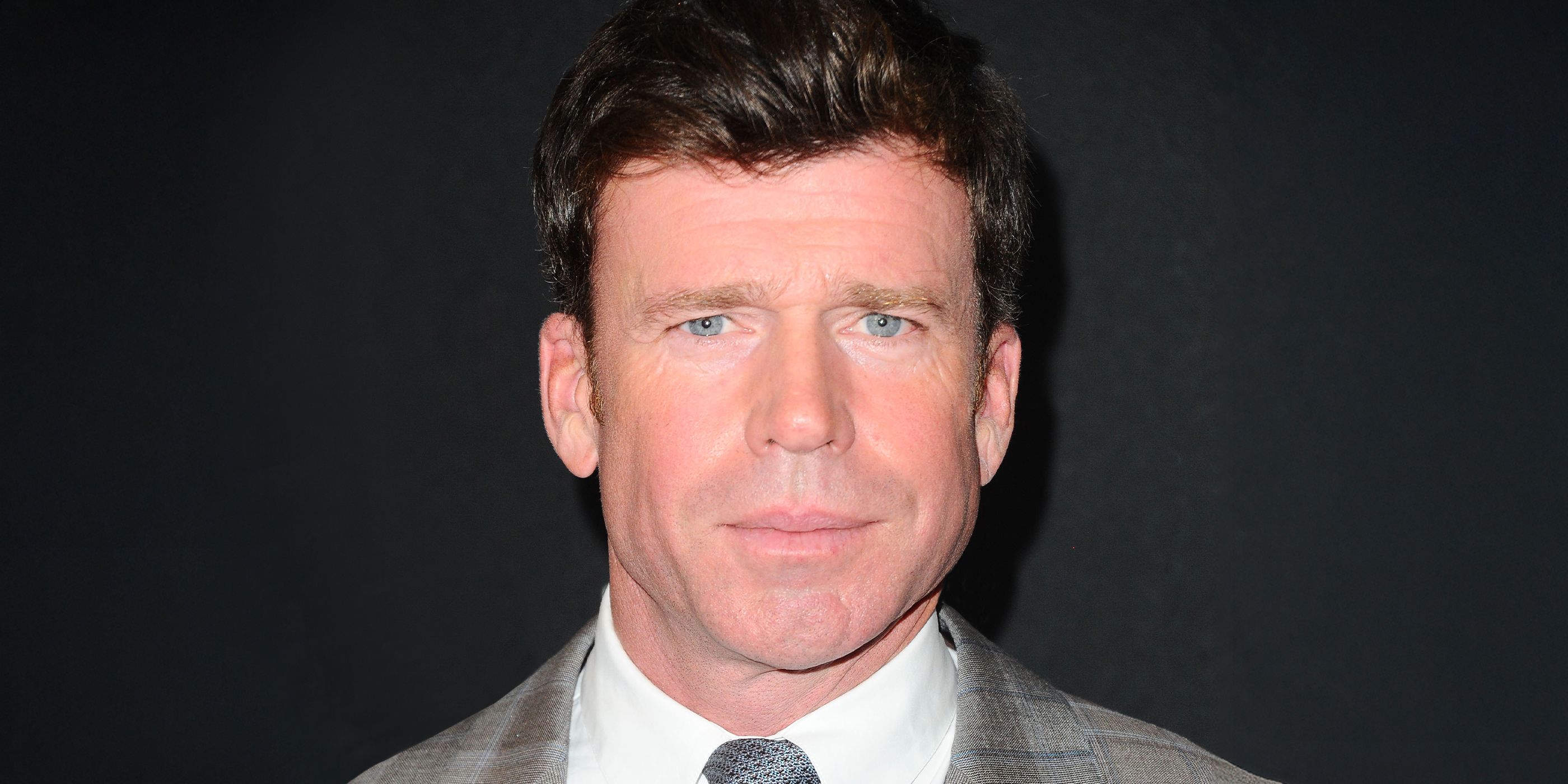
Taylor Sheridan, the writer and producer behind prestige dramas like "Yellowstone" and "Sicario," took direct aim at Marvel's storytelling approach, calling out the franchise for leaning too heavily on "information dumps" rather than organic narrative development.
Sheridan's critique centers on a fundamental writing principle. Marvel films often frontload exposition to establish complex mythologies, character backstories, and plot mechanics. This approach can feel clunky when characters explain world-building directly to audiences rather than letting story details emerge naturally through action and dialogue.
The criticism lands with particular weight coming from Sheridan. He built "Yellowstone" into a cultural phenomenon by trusting viewers to follow intricate family dynamics and power struggles without spelling everything out. His "Sicario" trilogy demonstrates how tension thrives when audiences piece together information gradually, forced to stay engaged and occasionally confused until clarity arrives.
Marvel's formula has worked commercially. The MCU generates billions, and audiences clearly respond to the shared universe structure. But the franchise has faced recurring creative complaints. Even within the industry, writers note the tension between servicing interconnected storylines and crafting focused character stories. "Eternals," "Thor: Love and Thunder," and "Ant-Man: Quantumania" drew criticism for prioritizing setup over substance.
Sheridan's comments reflect a broader divide in prestige television and film. Streamers and studios increasingly want interconnected universes modeled on Marvel's success. Yet quality-focused creatives argue that bloated exposition kills dramatic momentum. The best storytelling, by this logic, trusts audiences to keep up.
Whether Sheridan's point gains traction depends on future Marvel output. Kevin Feige's team has experimented with different approaches. "Spider-Man: No Way Home" succeeded partly by assuming viewer familiarity rather than re-explaining everything. The upcoming "