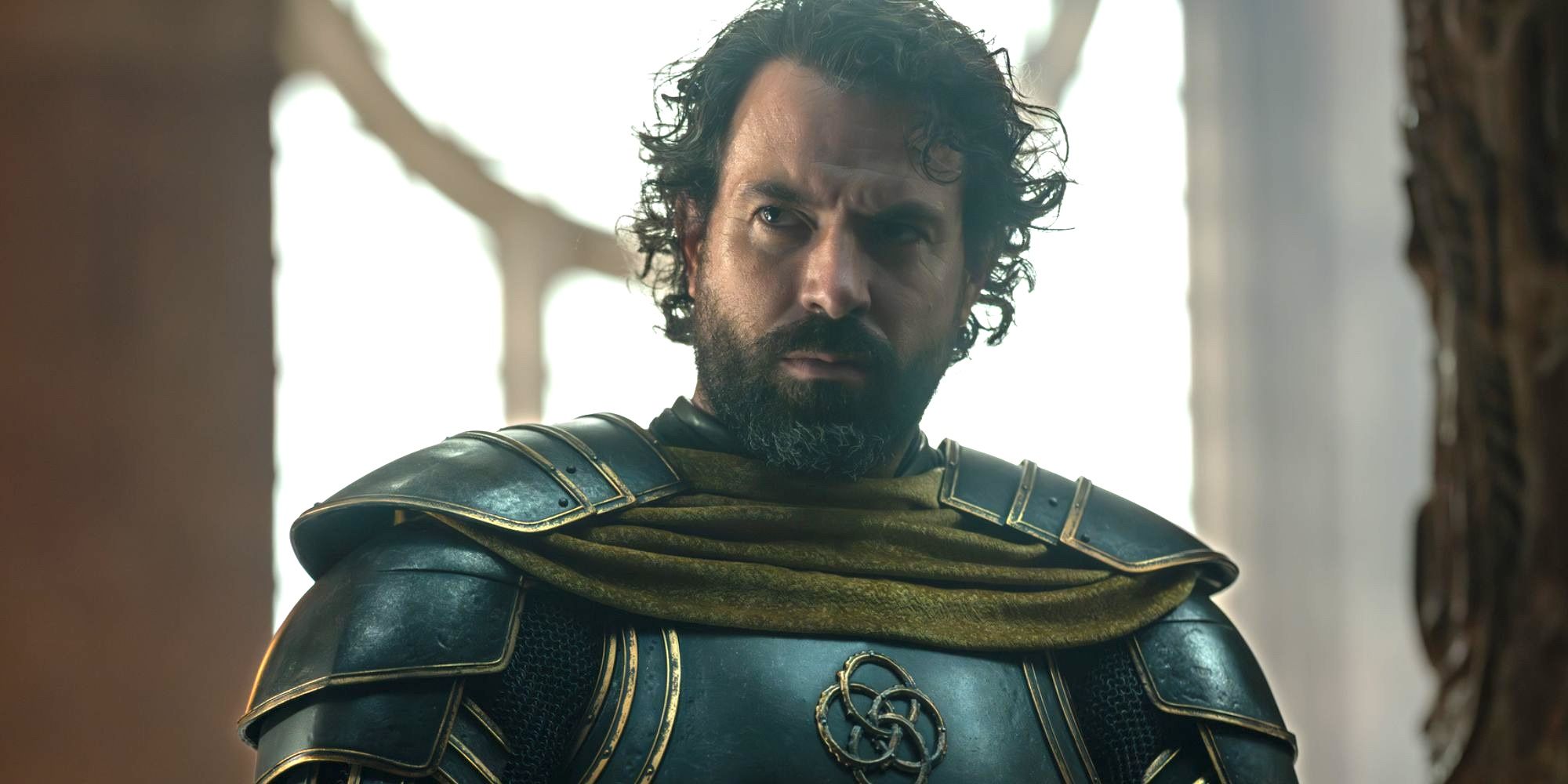
HBO's House of the Dragon has solidified its status as a prestige fantasy drama by embracing the brutal scope of its source material in Season 3. Four years after Game of Thrones ended with considerable fan backlash, the prequel series demonstrates how to execute the kind of epic storytelling that made the original HBO juggernaut a cultural phenomenon.
Season 3 marks the beginning of the Dance of the Dragons, the full-scale Targaryen civil war that George R.R. Martin's Fire and Blood chronicles. The series finally delivers on what audiences craved from its predecessor. Instead of the scattered political maneuvering that defined earlier seasons, the show now commits fully to large-scale conflict, dragon battles, and the kind of consequential character moments that resonate beyond episode runtime.
House of the Dragon's ascension reflects a shift in how prestige drama operates post-Game of Thrones. The series learned the hard lessons from the HBO original's final season collapse. Rather than rushing toward conclusion, it takes time with character development, maintains narrative discipline, and treats its source material with respect. Matt Smith, Emma D'Arcy, Olivia Cooke, and the ensemble cast deliver performances that ground the fantastical elements in genuine emotional stakes.
The show's success also capitalizes on something Game of Thrones pioneered but eventually lost. Fantasy audiences want stakes, surprises, and the willingness to kill off major characters. House of the Dragon executes this without feeling arbitrary. Deaths matter because the writing earns them.
Four years of cultural distance from Game of Thrones' finale has also helped. Audiences approach House of the Dragon without the weight of impossible expectations. The show operates in the shadow of its predecessor but builds its own identity through tighter storytelling and clearer narrative direction.
HBO's commitment to the series sends a message to the industry. Quality