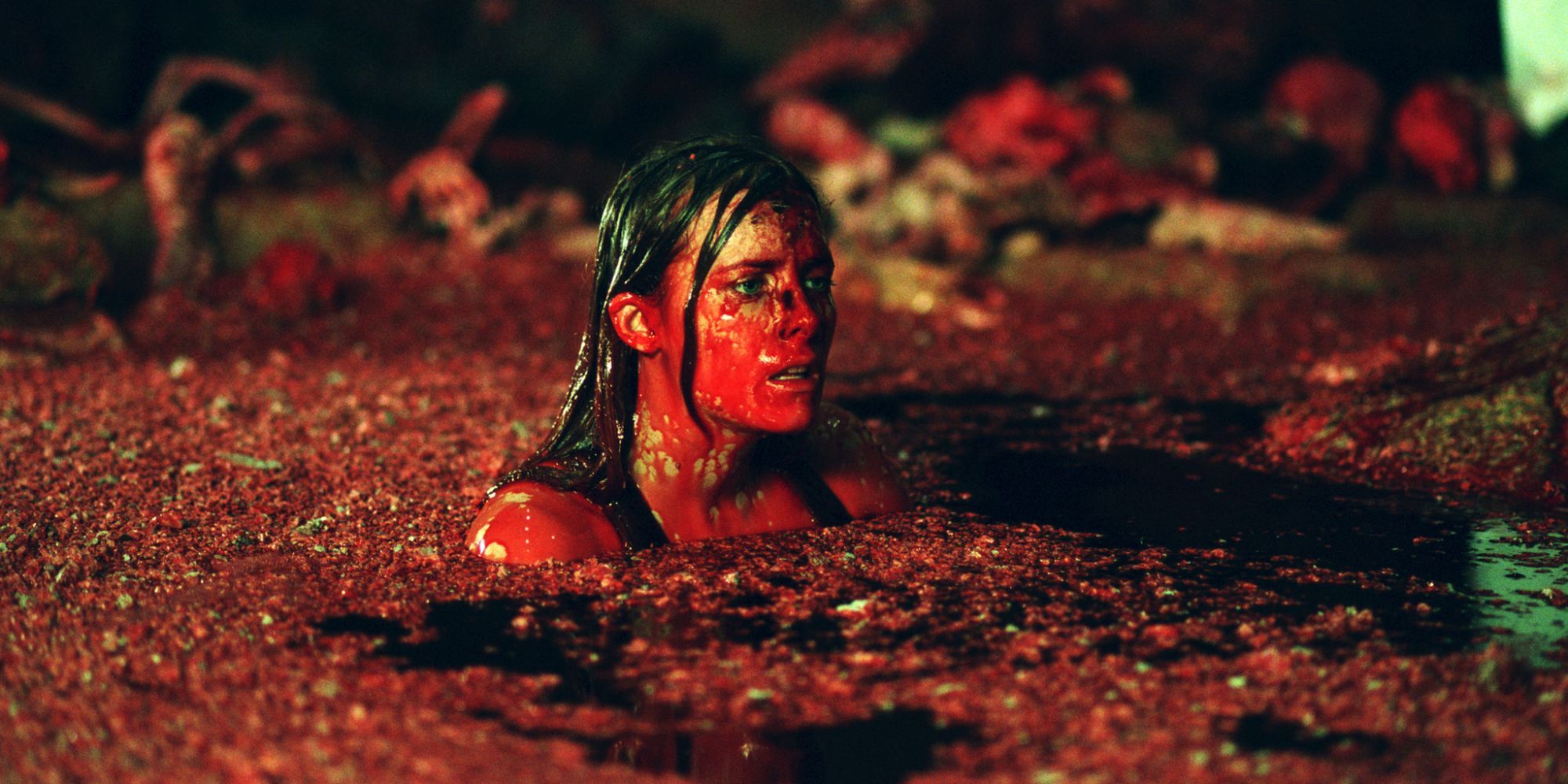
Collider spotlights six R-rated horror films that have slipped from cultural memory despite their craft and execution. The piece calls out The Descent, The House of the Dead, and Frailty as examples of films that sustain dread and deliver narrative twists without compromise.
The Descent, Neil Marshall's 2005 claustrophobic terror machine, remains a masterclass in escalating tension. Marshall traps viewers underground with a caving expedition gone catastrophically wrong, then compounds the horror with creature encounters in absolute darkness. The film earned cult devotion for its practical effects work and refusal to soften its R-rated violence.
Frailty, from 2001, arrived as director Bill Paxton's feature debut and earned underrated recognition for its slow-burn theological horror. The film layers family trauma with serial killer mythology, using Paxton's performance to anchor the moral ambiguity that separates it from standard slasher fare.
The House of the Dead, Uwe Boll's 2003 video game adaptation, occupies stranger territory. Despite its source material's baggage and Boll's notorious reputation, the film delivers B-movie energy and practical creature design that has attracted cult appreciation over time.
These films occupy a specific niche within horror cinema. They arrived before prestige horror became an algorithm-friendly category through A24's marketing machine and films like Hereditary and Midsommar. They earned R ratings through genuine intensity rather than serving as calling cards for serious actors venturing into genre work.
The piece reflects a broader trend in film criticism toward excavating the 1990s and 2000s horror catalog. Streamers have made back catalog discovery easier, yet films without consistent theatrical revival or strong awards recognition still vanish from conversation. R-rated horror particularly suffers from this erasure. PG-13