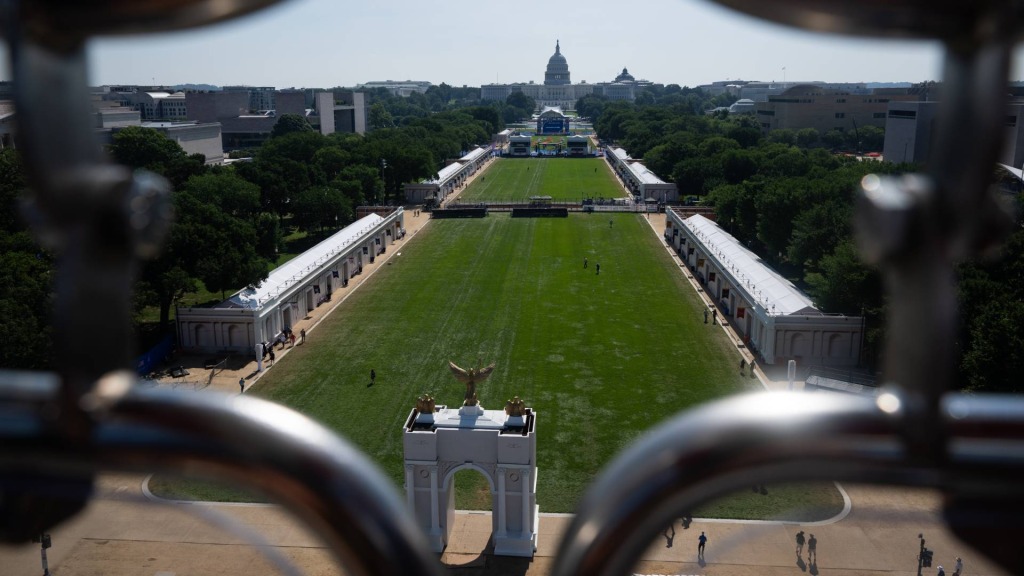
The Freedom 250's Great American Ghost Town exhibit at the Great American State Fair finds itself in troubled waters. The spectacle, which positioned itself as a major attraction, drew crowds so sparse that performers outnumbered paying attendees. The setup required "Trump math" to spin into anything resembling success, a cutting reference to the reality-distortion tactics often employed by the former president and his allies.
The exhibit represents a broader pattern of ambitious cultural ventures that fail to connect with audiences. State fairs typically draw devoted crowds seeking nostalgia, Americana, and entertainment value. The Freedom 250 installation apparently missed the mark on all three counts. Its ghost town concept, intended to evoke historical Americana, landed with a thud instead.
This failure underscores how difficult it remains to manufacture viral moments or organic audience enthusiasm. No amount of promotional spin can substitute for actual audience interest. The empty seats tell the real story here. When more bodies occupy the stage than the seats, producers face a credibility crisis that transcends marketing adjustments.
The Great American State Fair context makes this particularly damning. These events represent prime real estate for reaching Middle America and drawing families seeking wholesome entertainment. The Freedom 250 project apparently couldn't make that sale. Whether the concept itself proved flawed, execution fell short, or promotional efforts missed their target remains unclear. What's certain is that the exhibit became a cautionary tale about the gap between ambitious cultural projects and actual audience appetite.
The AV Club's tongue-in-cheek framing captures the absurdity perfectly. When organizers must employ rhetorical gymnastics to declare something successful despite overwhelming evidence to the contrary, audiences recognize the game immediately. The Freedom 250 learned that lesson the hard way.