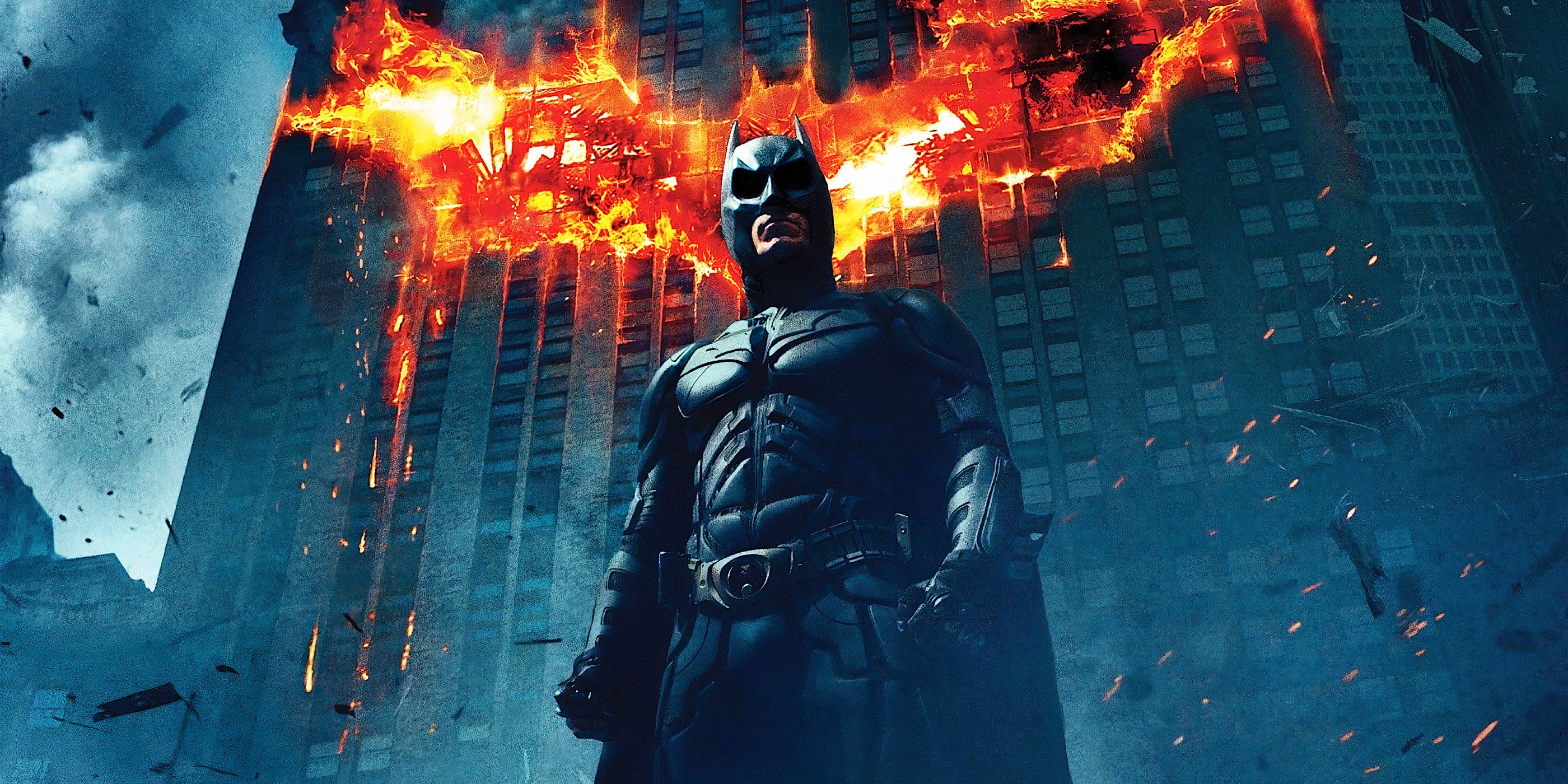
Christopher Nolan's Dark Knight Trilogy stands as one of cinema's finest achievements, yet Collider's assessment argues that only three film series surpass it. The outlet ranks The Lord of the Rings trilogy, Andrei Tarkovsky's Stalker films, and Krzysztof Kieślowski's Three Colours trilogy above Nolan's Batman saga.
The Dark Knight films, spanning 2005 to 2012 with Christian Bale's iconic performance, redefined the superhero genre by anchoring fantastical spectacle in grounded psychological realism. Heath Ledger's Oscar-winning turn as the Joker in The Dark Knight remains a benchmark for comic book villainy. Nolan's trilogy balanced blockbuster ambition with thematic depth, exploring terrorism, surveillance, and moral compromise through the lens of Gotham's chaos.
Yet The Lord of the Rings, Peter Jackson's sweeping 2001 to 2003 adaptation of Tolkien's source material, achieved something rarer: it translated dense literary mythology into a visual language that felt simultaneously epic and intimate. The three-film journey across Middle-earth maintained consistent quality while expanding scope across 11 hours of runtime.
Kieślowski's Three Colours trilogy, released between 1993 and 1994, operates on a different plane entirely. The French director's philosophical meditation on liberty, equality, and fraternity through interconnected narratives influenced generations of arthouse filmmakers. Each film stands alone yet deepens the entire work's meaning.
The comparison highlights how "greatest trilogy" debates pivot on definition. Nolan's films prioritize commercial accessibility and narrative cohesion within a contained superhero universe. Tarkovsky and Kieślowski pursue metaphysical inquiry and formal experimentation. Jackson balances literary fidelity with cin