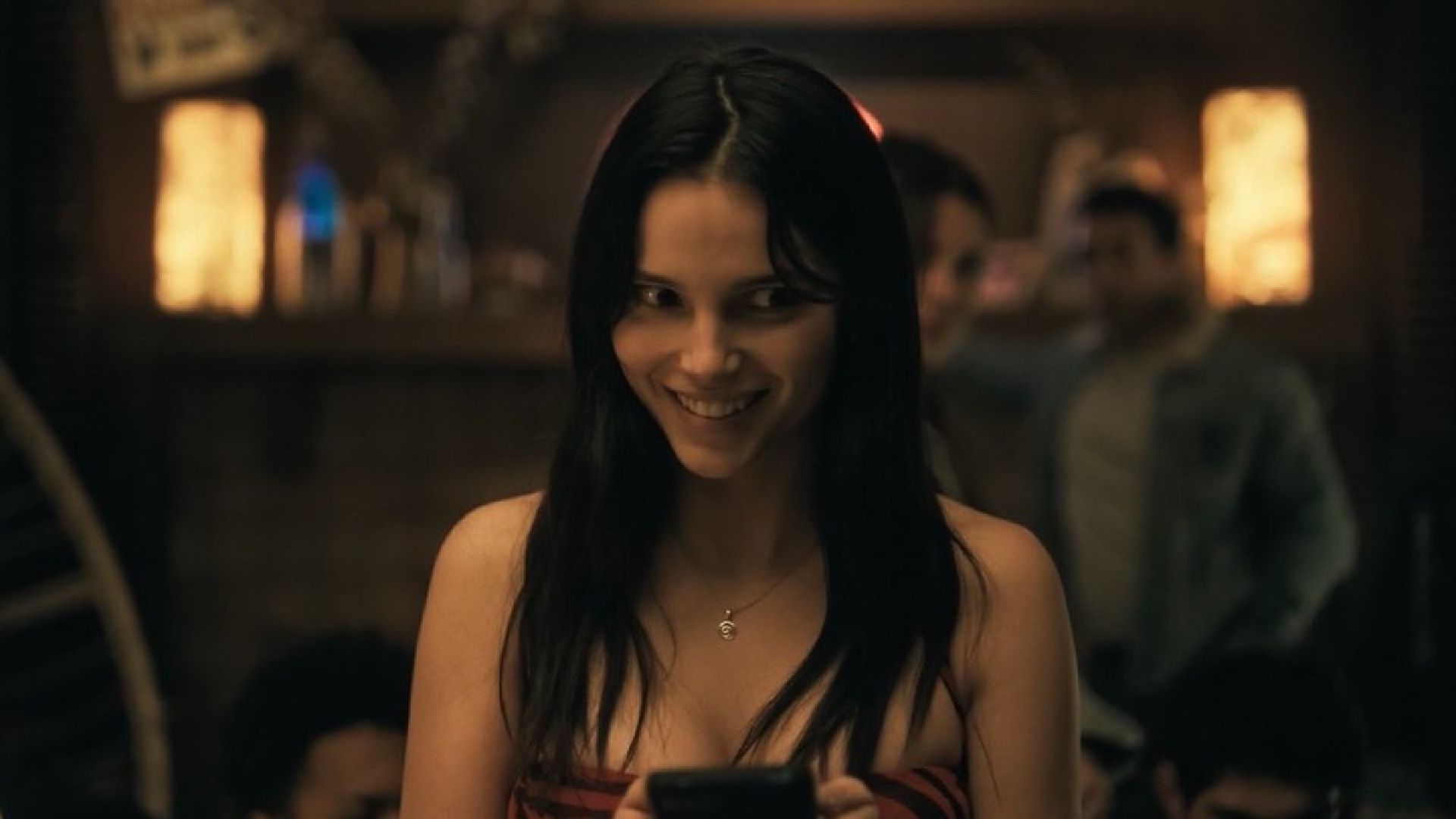
The 2026 Fangoria Chainsaw Award nominations reveal a horror landscape thriving across multiple formats and subgenres. The longtime horror publication's annual awards celebrate the breadth of what's working in genre filmmaking right now, from elevated indie horror to studio tentpoles to streaming originals.
This year's slate demonstrates horror's current cultural moment. The genre has fractured into distinct camps. Prestige horror continues gaining ground with filmmakers like Robert Eggers and Ari Aster commanding major budgets and Oscar consideration. Meanwhile, practical effects-driven creature features and slasher revivals maintain devoted fanbases. A24 and other specialty distributors have positioned horror as bankable prestige product. Simultaneously, streaming platforms lean hard into genre content, treating horror as reliable viewership drivers that traditional studios once ignored.
The nominations span everything from theatrical releases to limited series to direct-to-platform content. This reflects how horror audiences consume content now. They're not confined to multiplex releases. They're watching on every platform, at every budget level, in every subgenre imaginable.
Fangoria itself carries historical weight here. The magazine shaped horror fandom for decades, and its awards carry real credibility within the community. When Fangoria recognizes a diverse slate of nominees, it signals that the horror establishment sees multiple legitimate paths to success. This year's breadth suggests no single approach dominates. Both high-concept arthouse horror and straightforward creature fun find nomination slots.
The variety also reflects what audiences actually want. Horror fans aren't monolithic. Some crave atmospheric slow-burns exploring psychological terror. Others want monsters, gore, and practical effects mastery. Some embrace comedy-horror hybrids. Some dig into folk horror or cosmic dread. This year's nominations acknowledge all of it.
The Chainsaw Awards matter because Fangoria maintains