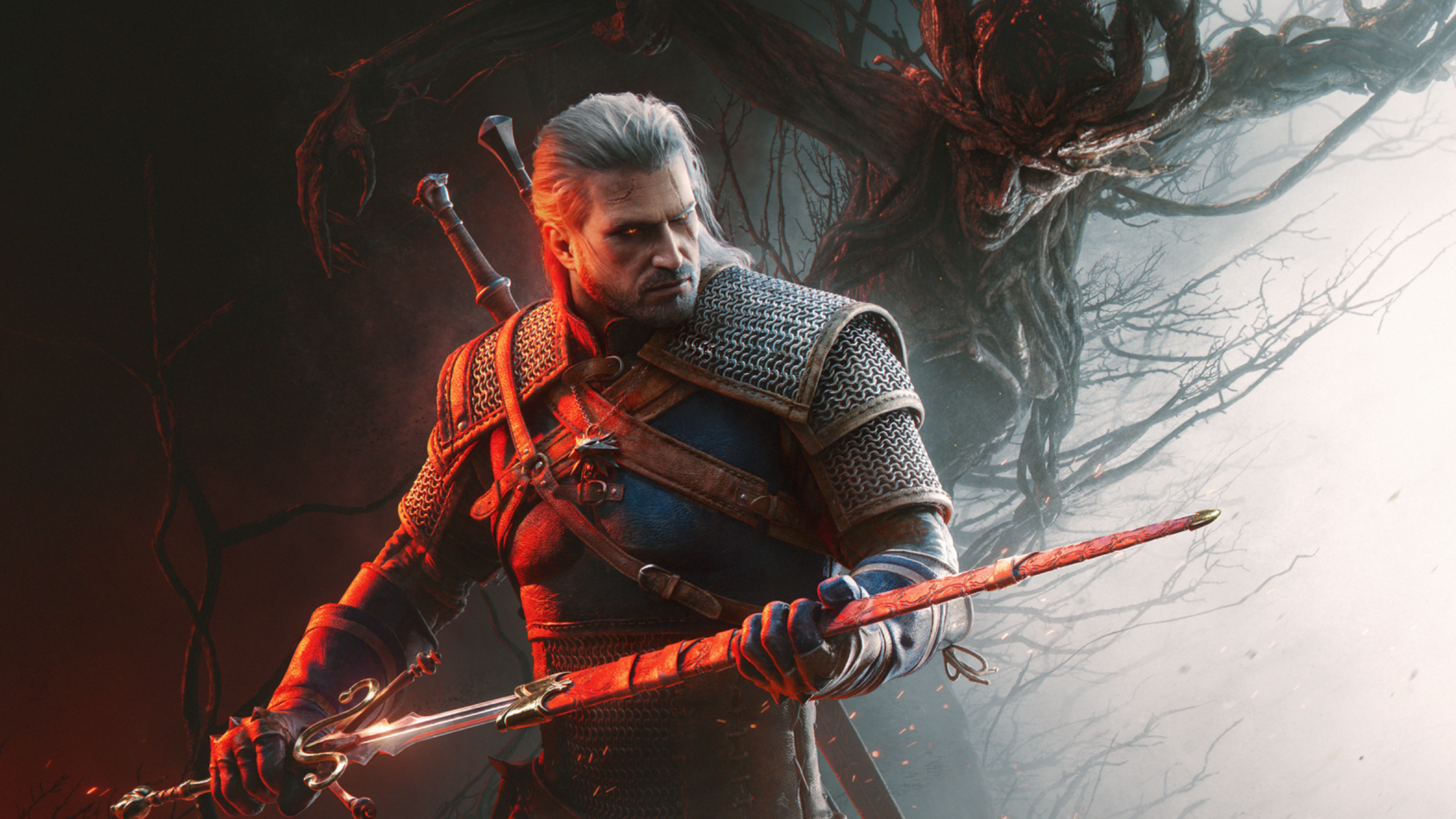
CD Projekt Red's The Witcher 3: Wild Hunt, released in 2015, remains a landmark achievement in interactive storytelling. The game's protagonist Geralt of Rivia delivers what many consider gaming's most iconic dialogue, a line that has endured through more than a decade of evolving technology and narrative standards.
The Witcher 3 built its reputation on sophisticated writing that elevated video game dialogue beyond typical action-adventure fare. The game pulled from Andrzej Sapkowski's source novels while expanding the character development and moral complexity that fans craved. Geralt's gruff-but-philosophical voice acting, delivered by Doug Cockle, became central to the game's identity and its cultural impact.
The staying power of Witcher 3's dialogue speaks to broader industry trends. As gaming matured into a storytelling medium rivaling film and television, character-driven narratives gained mainstream respect. The game's success on PlayStation 4, Xbox One, and PC proved audiences wanted depth and wit alongside combat mechanics. Its expansions, particularly Blood and Wine, demonstrated that post-launch content could match the quality of the base game.
That a line from 2015 still resonates with players and critics a decade later reflects the rarity of truly memorable gaming dialogue. Most video game writing fails to stick once controllers power down. The Witcher 3 broke through that ceiling. The game influenced industry standards for narrative-heavy RPGs and influenced how studios approached character dialogue and voice direction.
The recent adaptation struggles of The Witcher on Netflix, which faced criticism for narrative changes and casting decisions, only reinforce how effective Geralt's video game portrayal became. The character's gravelly wisdom and deadpan humor translated to interactive media better than it navigated television format requirements.
As gaming journalism continues documenting the medium's evolution, The Witcher 3