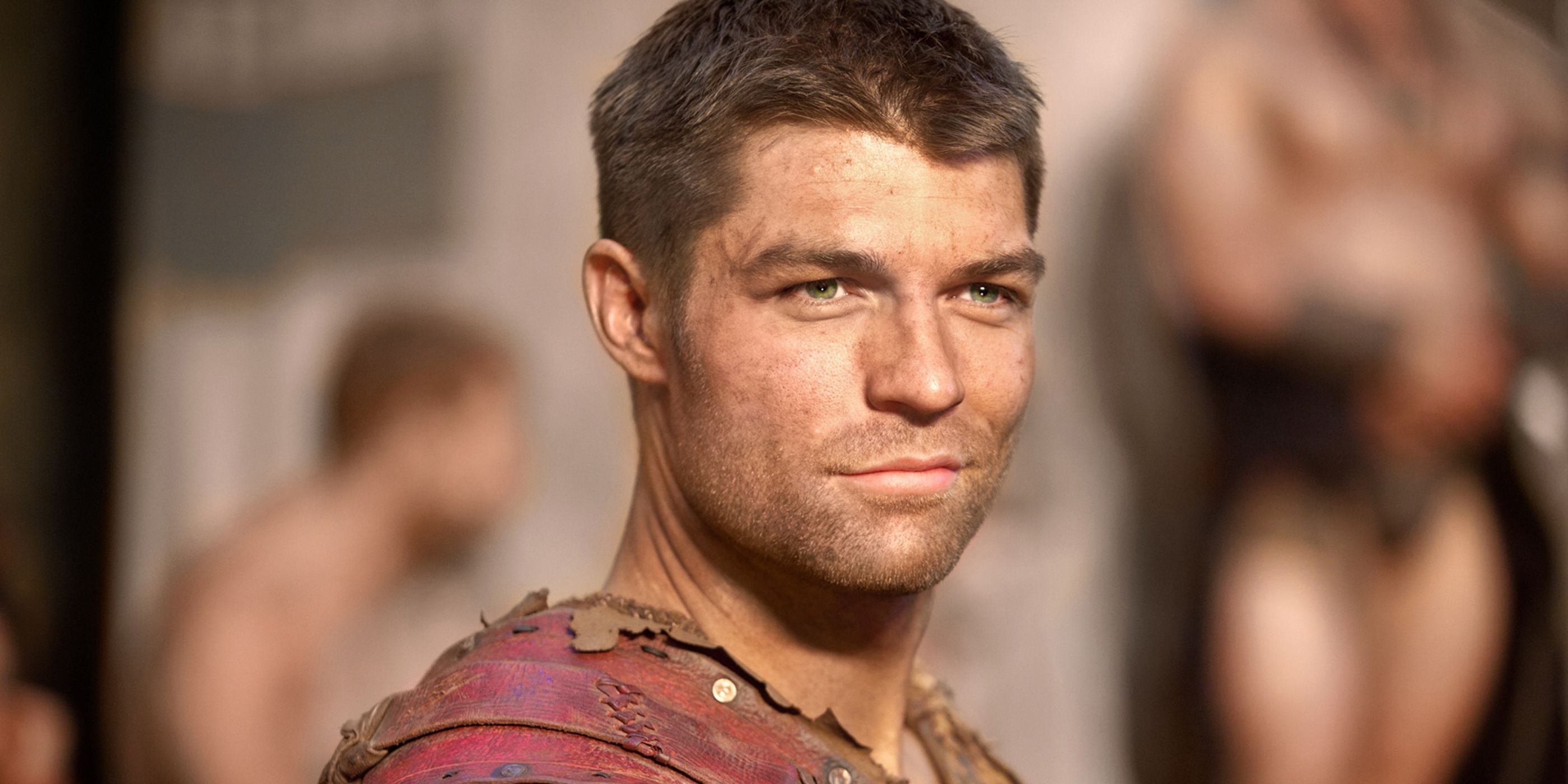
Starz's Spartacus continues to hold its ground as essential historical television nearly a decade and a half after its 2010 premiere. The series, which ran for four seasons before concluding in 2013, transcended typical sword-and-sandal spectacle through storytelling depth and character complexity that justified its reputation for graphic violence.
The show, starring Andy Whitfield as the titular rebel gladiator, balanced brutal action sequences with genuine dramatic heft. Creator Steven S. DeKnight crafted a narrative that moved beyond simple revenge plotting, exploring themes of slavery, resistance, and the human cost of revolution. The series earned critical respect by treating its historical setting with ambition rather than camp, even as it embraced the melodrama inherent to prestige cable drama.
What sustained Spartacus across four seasons was its commitment to meaningful character arcs. Beyond the eponymous hero, the show developed supporting players with nuance. Lucretia, Batiatus, and other antagonists operated as fully realized figures rather than one-dimensional villains. This approach elevated the viewing experience beyond gratuitous gore, though the show never shied away from depicting the brutal realities of its ancient world.
The series launched during peak prestige cable, competing alongside Mad Men, Breaking Bad, and Game of Thrones for sophisticated audiences. While less culturally dominant than those juggernauts, Spartacus found its passionate fanbase and maintained critical credibility throughout its run. Its influence on how historical dramas balance spectacle with substance remains evident in contemporary productions.
The show's legacy extends beyond its original broadcast. Streaming accessibility has introduced new generations to its visceral storytelling and historical ambition. For viewers seeking historical drama that refuses to compromise either artistic integrity or entertainment value, Spartacus delivers on both fronts.