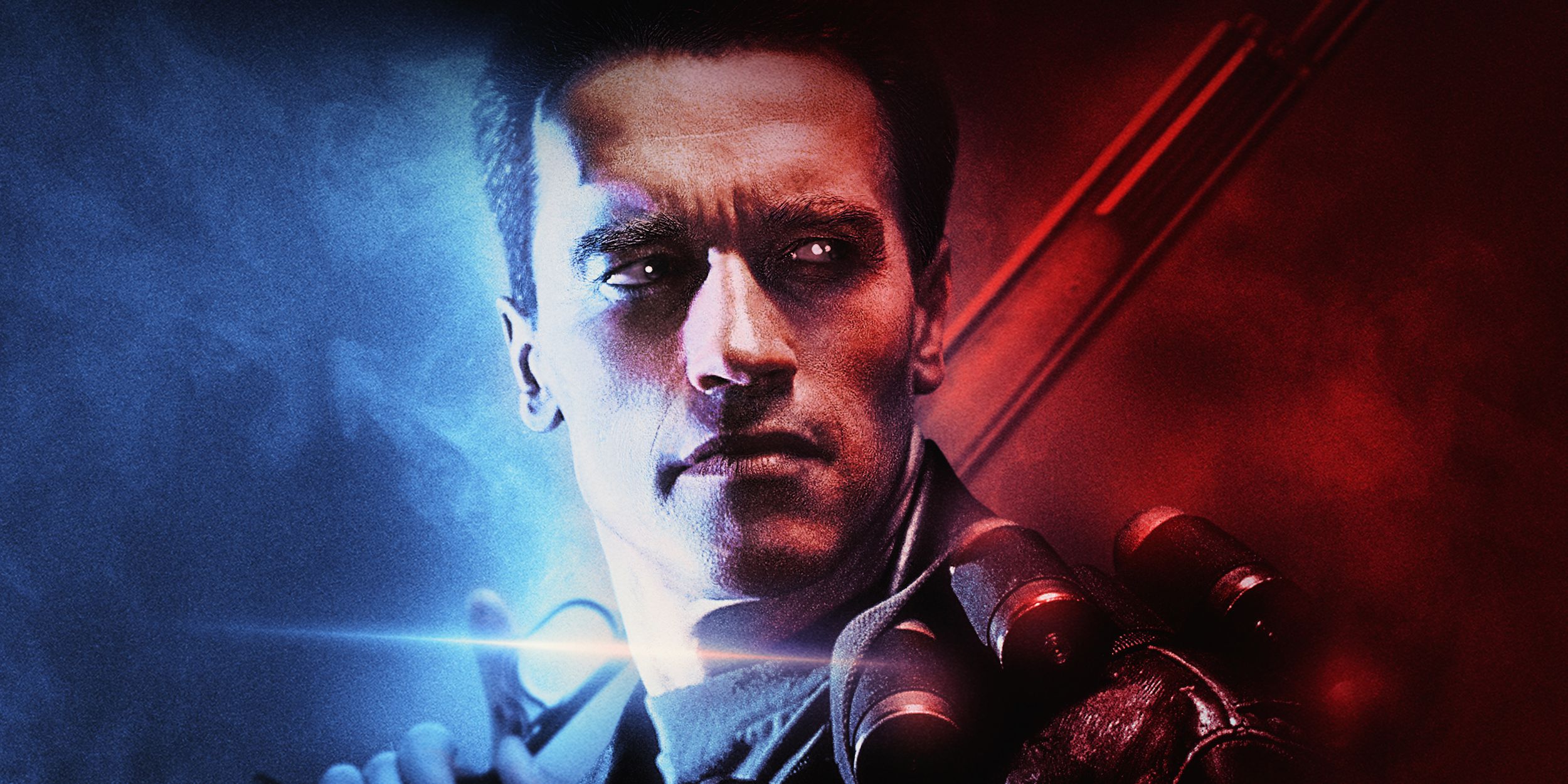
James Cameron's "Terminator 2: Judgment Day" remains the franchise benchmark three and a half decades after its 1991 release. The film's combination of practical effects, groundbreaking CGI, and a straightforward narrative about a cyborg sent back to protect a child has aged remarkably well compared to subsequent sequels.
Cameron's direction transformed the action-thriller template. The T-1000, portrayed by Robert Patrick, introduced a shape-shifting antagonist that pushed visual effects technology to its limits. Those liquid metal sequences still hold up against modern blockbusters. Arnold Schwarzenegger returned as the T-800, delivering iconic one-liners while embodying unexpected pathos as a machine learning humanity from Sarah Connor (Linda Hamilton).
The film's $100 million budget was then-unprecedented for action cinema, and it justified every penny. The truck chase, the helicopter sequence, and the foundry climax established visual grammar that countless action films have borrowed since. Cameron's script balanced spectacle with genuine emotional stakes, making audiences care about whether a child could survive Judgment Day alongside a reprogrammed terminator.
Subsequent franchise entries, including "Terminator 3: Rise of the Machines," "Terminator Genisys," and "Terminator Dark Fate," struggled to recapture that magic. Directors faced the challenge of either retreading familiar ground or pivoting the mythology in ways that confused audiences and critics alike. The 2019 "Dark Fate," which brought back Cameron as producer alongside Hamilton and Schwarzenegger, attempted a course correction but failed to connect commercially or artistically.
"T2" endures because it perfected the formula before the franchise became fragmented by sequels and reboots. Its influence extends beyond the Terminator series, shaping how studios approach sci-fi action films today. The film earned $500 million