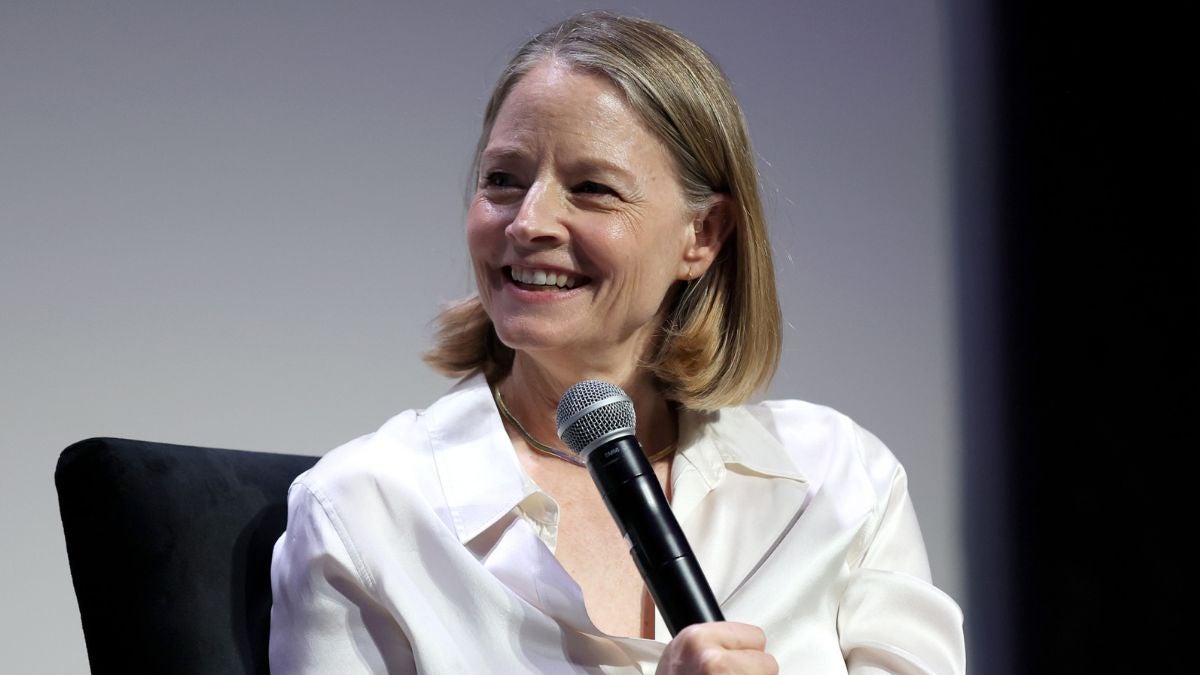
Jodie Foster has leveled a pointed critique at F1, claiming the Formula 1 racing film reads like it was written by artificial intelligence. The veteran actress suggested the screenplay lacks organic human dialogue, asserting that actors deliver lines "exactly the way it would be written if a computer was writing exactly what would be the right thing for that time."
Foster's comments tap into growing industry anxiety about AI's creeping influence on screenwriting and creative processes. While she didn't provide evidence that F1 actually used generative AI in its production, her observation reflects a broader frustration among established actors and writers about dialogue that feels formulaic and emotionally hollow.
The F1 film, directed by Joseph Kosinski and starring Brad Pitt alongside real Formula 1 drivers, aims for spectacle and accessibility to mainstream audiences. However, Foster's critique suggests the screenplay prioritizes commercial palatability over authentic character voice, resulting in dialogue that feels algorithmically optimized rather than genuinely written.
Her remarks come amid heightened scrutiny of AI usage in Hollywood. The 2023 Writers Guild and SAG-AFTRA strikes specifically addressed AI's role in screenwriting and actor likeness rights. Studios have grown cautious about public perception, yet the integration of AI tools in pre-production development remains common industry practice.
Foster's comment, whether literal or metaphorical, highlights a creative concern distinct from technical implementation. She's describing a tonal and structural problem audiences increasingly recognize in studio films: dialogue stripped of personality in service of broad appeal and narrative efficiency. This resonates with the ongoing debate about whether AI-assisted writing produces serviceable but soulless content.
The F1 film represents the kind of high-budget spectacle where studio notes and test-screening data heavily influence final scripts. Whether AI was actually involved in F1's development remains unclear. Foster's observation points instead to how corporate filmmaking can