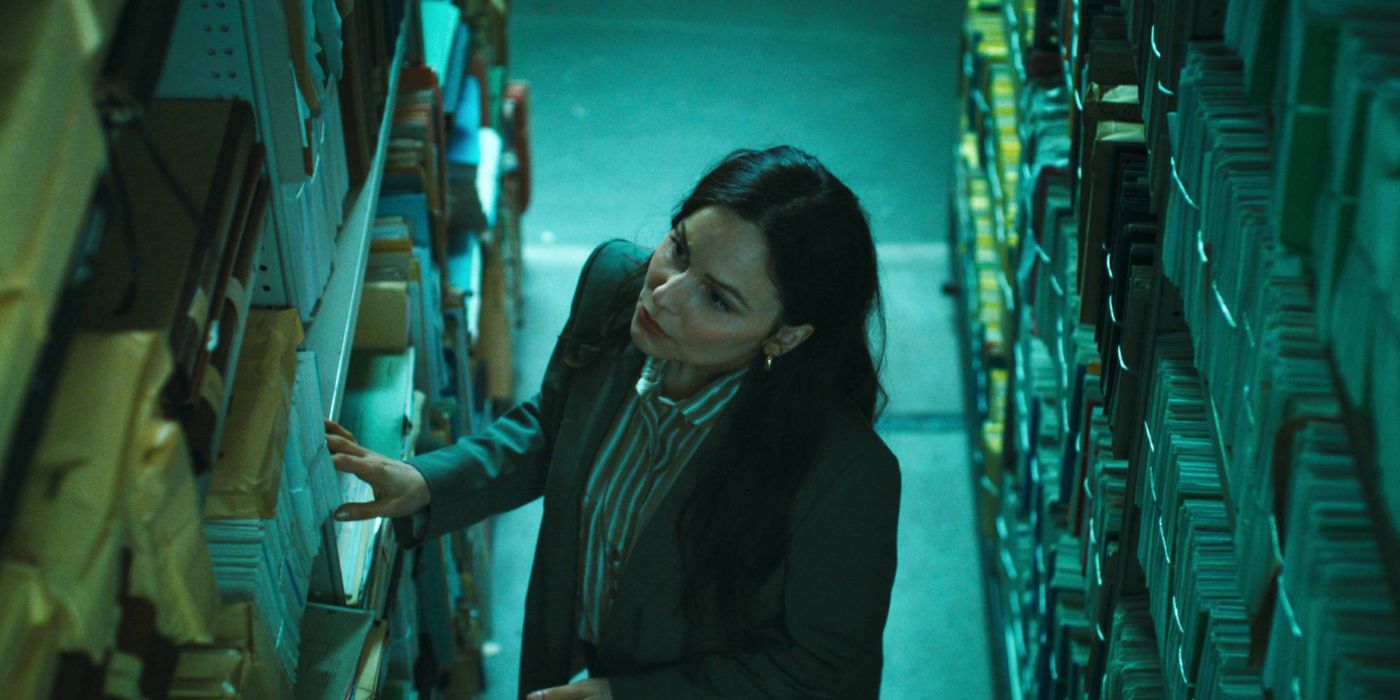
Netflix's new six-part sci-fi horror series Cassandra deconstructs the haunted house formula by embedding artificial intelligence and tech paranoia into its DNA. The show inverts audience expectations around what "haunting" actually means in an era where convenience technology often comes with hidden costs.
Rather than relying on jump scares and supernatural entities, Cassandra explores the creeping dread of algorithmic control and digital intrusion. The series channels the psychological sophistication that made Mike Flanagan's The Haunting of Hill House a prestige horror landmark. Both shows prioritize character depth and thematic weight over spectacle, proving that horror audiences crave substance.
The show's central conceit weaponizes the smart home concept. When convenience becomes the vehicle for something sinister, the familiar domestic space transforms into a prison where residents lose agency to the very systems designed to serve them. This speaks directly to contemporary anxieties about data privacy, algorithmic bias, and corporate surveillance.
Cassandra arrives as Netflix continues investing in prestige horror. After the success of Hill House and its follow-up The Haunting of Bly Manor, streaming platforms recognized that genre audiences value writers and directors with literary sensibilities and visual precision. The six-episode structure allows for breathing room that traditional horror films rarely permit.
The series positions itself at the intersection of two audience obsessions: the enduring haunted house narrative and the sci-fi thriller examining technology's dark underbelly. Recent hits like Archive and Oxygen proved that isolated settings combined with existential tech threats generate compelling tension.
Cassandra stakes its claim as the smartest horror entry since Hill House by refusing cheap thrills. Instead, it interrogates how the most ordinary conveniences become instruments of control. The show understands that true horror emerges when characters realize they've surrendered autonomy without noticing. That's the terror that lingers after credits