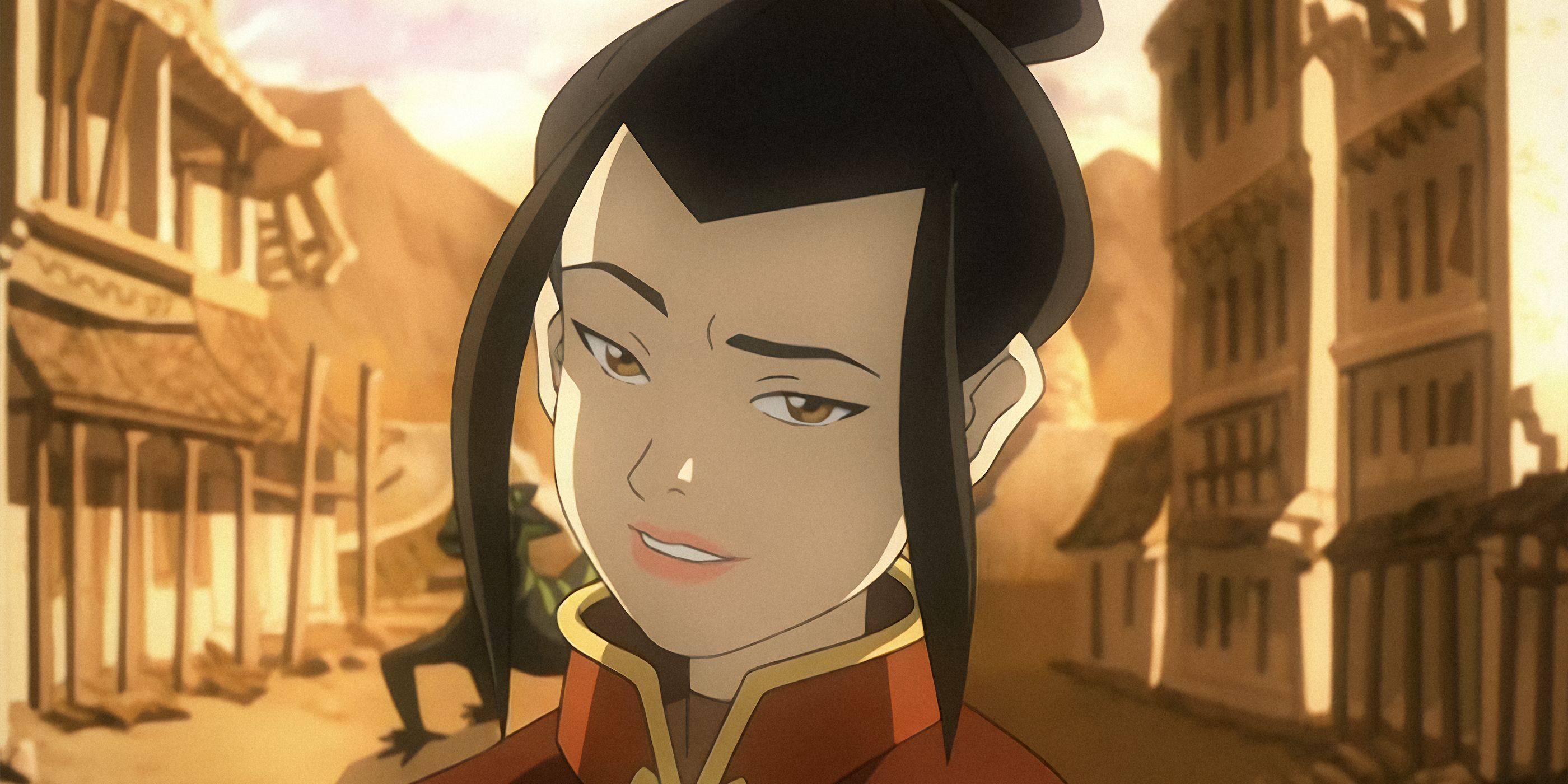
Avatar: The Last Airbender set a template for animated fantasy that networks and streamers have chased for two decades. The Nickelodeon series combined serialized storytelling, complex character arcs, and world-building that appealed equally to kids and adults. Its success spawned both direct sequels and spiritual successors that hoped to replicate that magic.
The Legend of Korra, Avatar's official sequel, aired on Nickelodeon from 2012 to 2014 and followed the next Avatar after Aang. While it maintained the original's visual polish and martial arts action, it struggled with network interference and shifting creative direction across four seasons. The show found renewed appreciation years later, particularly among adult fans who valued its LGBTQ representation and willingness to challenge its protagonist.
Steven Universe emerged on Cartoon Network as another contender, blending magical girl tropes with character-driven storytelling. Creator Rebecca Sugar crafted a serialized narrative arc that rewarded longtime viewers with emotional payoffs, though its pacing and tonal shifts occasionally alienated audiences expecting consistent episodic content.
Other shows attempted to capture Avatar's formula with varying results. Series like The Owl House, Amphibia, and She-Ra and the Princesses of Power each borrowed elements. The Owl House delivered character depth and ongoing mythology. Amphibia built genuine stakes across its three-season run. She-Ra's 2018 reboot prioritized character relationships alongside action spectacle.
These shows proved that Avatar's success stemmed from something difficult to replicate. The original benefited from a specific creative vision, freedom from network notes during its run, and a perfect storm of voice acting talent and animation direction. Many successors faced network meddling, production delays, or creative compromises that hindered their storytelling ambitions.
The streaming era has shifted how networks